Major U.S. retailer reverses course on tariffs, says prices will go up
A major U.S. retailer that previously said tariffs wouldn’t increase prices reversed course on Tuesday, with officials saying they expect “modest” price increases for some products.
The home-improvement retailer with more than 2,300 stores across North America said prices will increase in some categories due to significantly higher tariffs than it expected in May.
“Obviously tariff rates are significantly higher today than they were when we spoke in May. So as you’d expect there’ll be some modest price movement in some categories but it won’t be broad based,” said Billy Bastek, executive vice president of merchandising at Home Depot.
He added that the store is working to keep project pricing down as homeowners have deferred larger projects, but continue to do small ones.
“Our customers tend to shop for the entire project and you think about a small flooring project: Tile, the grout, bathtub and vanity and a bath project. And so we’re laser focused on protecting the cost of the entire project. And so listen, our goal is to maintain the best value for our customers.”
Bastek said about half of Home Depot products are made in the U.S. and not subject to tariffs.
Home Depot boss Ted Decker said lower federal interest rates would likely help.
“The consumers, both pro and consumer, engaged broadly across the business, granted in smaller projects. We still haven’t seen the recovery in much larger discretionary projects,” Decker said during the company’s second-quarter earnings call on Tuesday.
Last month, the Federal Reserve’s latest anecdotal “beige book” survey found that businesses across the country reported passing the cost of tariffs on to U.S. consumers, something President Donald Trump warned them not to do.
“Many firms passed on at least a portion of cost increases to consumers through price hikes or surcharges, although some held off raising prices because of customers’ growing price sensitivity, resulting in compressed profit margins,” according to the Fed report.
Those higher prices could become more visible later this year, according to the Fed report.
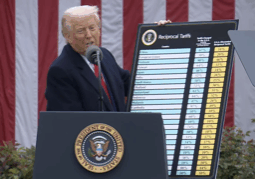
Trump has told businesses that he doesn’t want them to raise prices. He wants businesses to absorb the loss without passing on the higher prices to consumers.
Shortly after Walmart said it would have to raise prices throughout its stores in May, Trump told the world’s largest retailer to “eat it.”
Economists, businesses and some publicly traded companies have warned that tariffs could raise prices on a wide range of consumer products.
Trump has said he wants to use tariffs to restore manufacturing jobs lost to lower-wage countries in decades past, shift the tax burden away from U.S. families, and pay down the national debt.
A tariff is a tax on imported goods paid by the person or company that imports the goods. The importer can absorb the cost of the tariffs or try to pass the cost on to consumers through higher prices.



Mostly Sunny
Latest News Stories
Arizona sues DHS over plans for ICE detention facility
Trump commemorates America’s British heritage during rare royal visit
Congressional progressives introduce $25 federal minimum wage plan

Illinois Quick Hits: Gas prices rise again
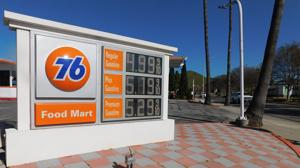
UAE quits OPEC as gas prices hit $4.19 a gallon nationwide
Feds raid more than 20 sites in Minneapolis in fraud probe
State legislative investigation: Camp Mystic created ‘complacent flood culture’

VA performance improves as concerns over cuts fade, survey finds
Illinois Senate to consider megaprojects after Pritzker calls out amusement tax

EXCLUSIVE: SPLC called on to remove parental rights groups from its ‘hate map’

Illinois Quick Hits: Driver killed in reported shootout with police on I-88
Historic Joseph Perry House in Crete Granted Landmark Status