U.S. Energy Department finalizes $3.3B loan to Texas utility
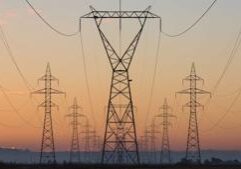
The U.S. Department of Energy Wednesday announced it has finalized a $3.26 billion loan to utility AEP Texas, a subsidiary of American Electric Power, or AEP, to fund the deployment of 2,800 miles of high-capacity transmission lines across the Lone Star State as part of a broader effort to fuel domestic industrial growth and assure national energy security.
The loan, awarded by the Office of Energy Dominance Financing, will finance the addition of the transmission lines in key industrial corridors in south central and west Texas, where data centers, advanced manufacturing industries, and the electrification of oil and gas operations are driving rapid increases in power demand.
“President Trump’s Working Families Tax Cuts Act is driving investments that strengthen America’s energy infrastructure while lowering costs for hardworking families,” said U.S. Energy Secretary Chris Wright in a release. “This investment will modernize Texas’ electric grid, support the energy needed for AI, advanced manufacturing, the Permian Basin, and help keep electricity costs down for Texans.”
According to the Energy Department, the nearly 100 projects funded by the loan will lower electricity costs for AEP Texas ratepayers by an estimated $685 million over the next 30 years. The utility’s 100,000-square-mile service area anchors many of the Lone Star State’s most critical industrial hubs—stretching from the oil fields of West Texas to the Rio Grande Valley and the rapidly growing ports of Corpus Christi and Brownsville.
AEP Texas has signed agreements to service 41 gigawatts of new industrial load by 2030—a backlog that represents nearly half of the Lone Star State’s all-time record demand of 85.5 gigawatts. State grid operator the Electric Reliability Council of Texas (ERCOT) recently forecasted that extreme weather and industrial expansion could push the state’s near-term summer peak demand as high as 92.2 gigawatts.
“Texas is poised for incredible growth over the next five years,” said Adrian Rodriguez, president and chief operating officer of AEP Texas. “This loan supports critical updates to our transmission infrastructure to strengthen reliability, connect new load and generation resources and manage affordability,” Rodriguez said.
Created by the Trump administration’s One Big Beautiful Bill Act, the Energy Dominance Financing Program eliminated emissions-reduction mandates established during the Biden presidency and rescinded unspent funding allocated under the Inflation Reduction Act. By law, the lending program must now prioritize grid reliability, heavy industrial upgrades and firm baseload power capacity.
The AEP Texas loan is the Trump Administration’s third utility financing agreement completed through the Energy Dominance Financing Program. In February, $26.5 billion was allocated to the Southern Company to finance 5 gigawatts of new natural gas generation, large-scale hydro facilities, and nuclear asset modernization in Georgia and Alabama.
In late 2025, the Department of Energy finalized a separate $1.6 billion loan guarantee with AEP’s parent company to fund upgrades to approximately 5,000 miles of electricity transmission infrastructure in Ohio, Oklahoma, West Virginia, Indiana and Michigan.






Slight Chance Showers And Thunderstorms
Latest News Stories

District 210 Transportation Update Details Fuel Swings, New Bus Safety Technology

Speakers object to transgender athletes in girls sports

Taxpayers group, economist praise Pratt’s plan for homelessness in LA
Almost 25,000 immigration arrests made in Florida

Illinois Quick Hits: Unemployment numbers rise; Champaign job growth continues

Filing lawsuits doesn’t immunize Gori vs asbestos fraud claims: New filing

Exxon, global agencies warn of oil price spike within weeks

Bondi defends Epstein files release, denies Trump involvement

Federal jury convicts Spokane ICE protesters as questions remain about local charges

Cost uncertainty follows prescription price cap bill in Senate

Trump making final determination on Iranian ceasefire deal
Nevada candidates call for fraud enforcement, healthcare aid