Chicago aldermen consider election reforms, cost savings
(The Center Square) – The Chicago City Council is considering new election reforms that supporters say could increase voter access and turnout while also reducing how much taxpayer funds go toward elections each year.
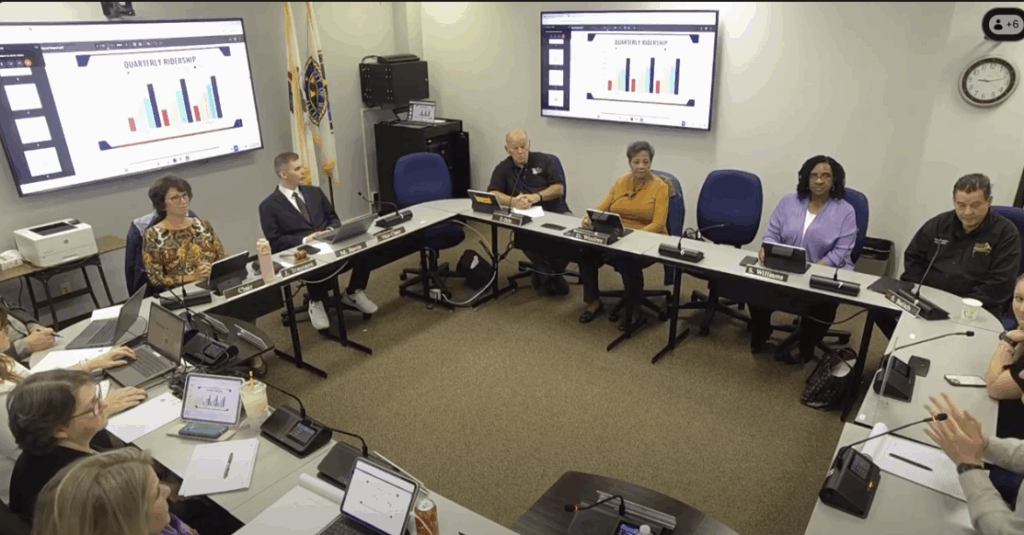
During an informational hearing conducted by the council’s Committee on Ethics and Government Oversight on Tuesday, representatives of nonpartisan organizations and the city’s Board of Elections presented ways the city could run its elections more efficiently, effectively and affordably.
One method that is becoming increasingly used across the country is the implementation of ranked choice voting.
Dan Ashurst, the executive director of FairVote Illinois, said the idea of implementing the new ballot system would allow the city to reduce its spending on runoff elections.
“Ranked choice voting allows voters to rank candidates in order of preference instead of picking just one. If your First choice can’t win, your vote may count for your second or third choice instead,” Ashurst said. “Ranked choice voting would save money for the city of Chicago.”
In the most recent Chicago mayoral runoff, the city spent a total of $19.8 million for the extra election.
Ashurst said implementing a ranked-choice system would eliminate the need for a runoff in such cases because voters can choose multiple candidates that they prefer, and the board of elections would then have the needed information to eliminate candidates with smaller shares of the vote.
Ellison Radek, a policy fellow with nonprofit Chicago Votes, spoke about the organization’s proposal for mobile polling stations – a policy that would cost the city to implement.
“This mobile voting location would serve as a universal polling location, meaning that any resident in the city of Chicago would be able to vote there,” Radek said.
She contended that a pilot program for the proposal would be a benefit to civic engagement, especially for populations that could find it difficult to make it to their designated polling locations.
Another policy proposal brought to the attention of aldermen is the implementation of new funding transparency requirements, brought to the discussion by Reform for Illinois – a nonprofit advocacy organization focused on the role of money in politics.
Alisa Kaplan, the executive director of Reform for Illinois, told aldermen that the influence of “dark money” within elections has only increased more in recent years. The term “dark money” refers to sources of campaign funds that are often anonymously contributed to super PACs.
“When campaigns are funded by unknown megadonors, it reinforces people’s perception that government decisions are made in shadowy backrooms by powerful figures they will never see and can’t hold accountable,” Kaplan said.
She said the group wants a publicly available money trail to improve transparency to voters.
While the proposal could increase in transparency, the legal precedent set in a variety of court cases might make such a restriction difficult to implement. Kaplan disagreed.
“Several states, including Alaska, California, Massachusetts, Minnesota, and more, have already shown this kind of reform is both legally sound and broadly popular. At the federal level, more than 200 members of Congress have sponsored a similar bill called the Disclose Act,” Kaplan said.
Some aldermen questioned if such a regulation would even fall under their jurisdiction. Kaplan told the committee that it should fall under their rule because the city already imposes similar campaign finance regulations.




Slight Chance Showers And Thunderstorms
Latest News Stories
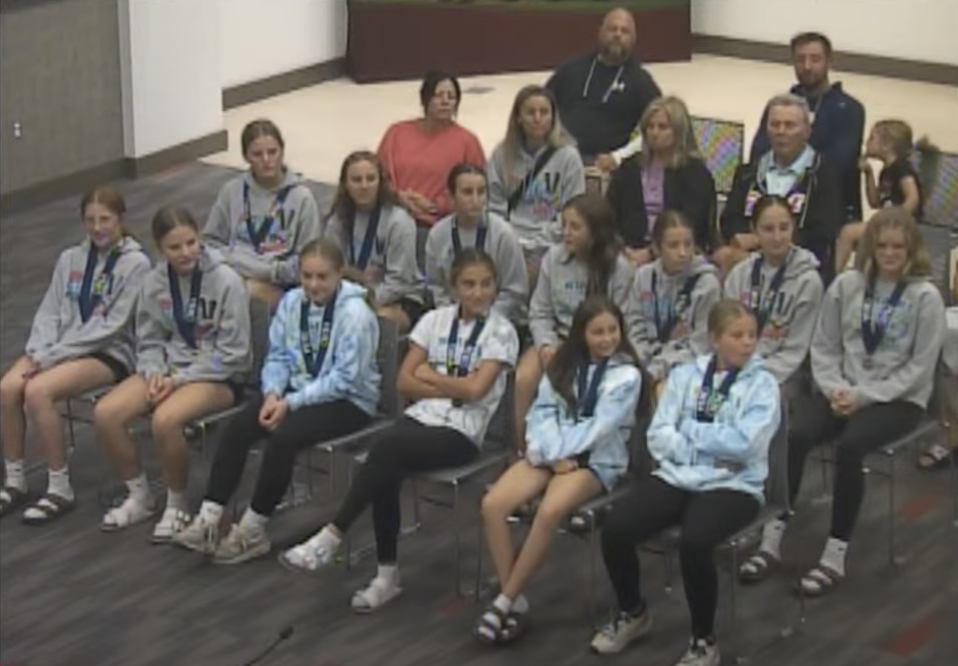
Frankfort Honors Hickory Creek Middle School Girls’ Softball Team for Fifth State Title
Summit Hill 161 Sees Major Gains on State Report Card
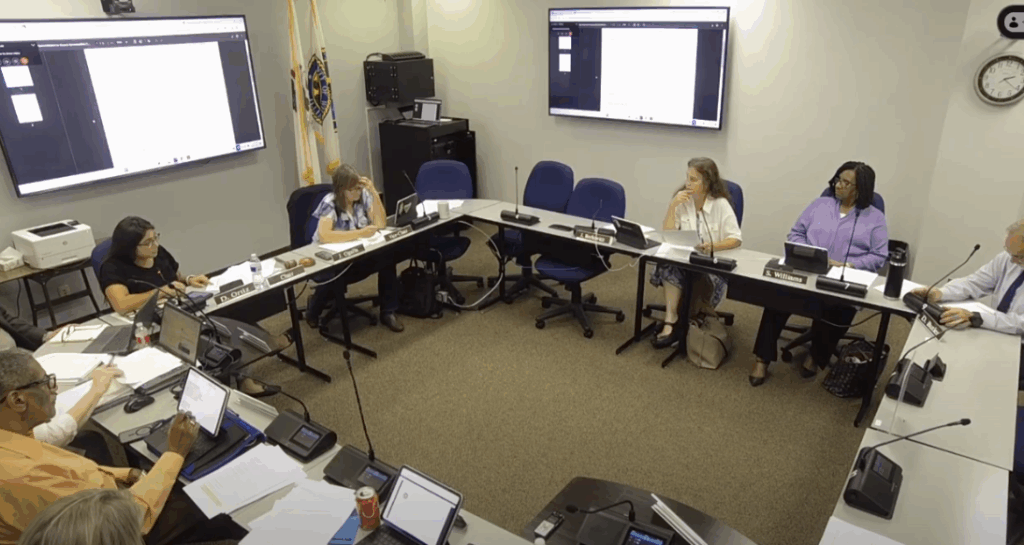
Will County Board Committee Passes Contentious ‘Live and Work Without Fear’ Resolution on 4-3 Vote

Will County Awards $10.4 Million Contract for Bell Road Widening in Homer Glen Area
Meeting Summary and Briefs: Will County Public Works & Transportation Committee for October 7, 2025
Meeting Summary and Briefs: Will County Board Finance Committee for October 7, 2025
Meeting Summary and Briefs: Will County Board Capital Improvements & IT Committee for October 7, 2025
Meeting Summary and Briefs: Will County Board Public Health & Safety Committee for October 2, 2025
Will County Shapes 2026 Federal Agenda, Prioritizing Health, Housing, and Workforce Funding
Meeting Summary and Briefs: Will County Board Executive Committee for October 9, 2025
Renovations at Veterans Assistance Commission and Court Annex on Track for Winter Completion
Will County Considers First Update to Wastewater Ordinance Since 2016