
Democratic attorneys general oppose latest round of tariffs
California Attorney General Rob Bonta is co-leading a coalition to oppose the Trump administration’s proposed tariffs under Section 301 of the Trade Act of 1974.
The coalition, which is also being co-led by Arizona Attorney General Kris Mayes and Oregon Attorney General Dan Rayfield, consists of Democratic attorneys general from 22 states.
The Trump administration wants to impose a 10% to 12.5% tariff on 59 countries and the European Union. The administration alleges these nations fail to enforce bans on goods made with forced labor.
“After his first two attempts to impose tariffs were declared illegal by the courts, including the U.S. Supreme Court, the President is back at it again,” said Bonta in a press release. “We urge the Administration to immediately halt this attempt.”
Bonta said these countries and the EU account for 99% of U.S. imports.
“Tariffs are taxes, and the American people cannot shoulder extra costs, no matter how much President Trump wants them to,” said Bonta.
The Center Square reached out to Bonta and the White House for comment, but did not hear back by publication time.
In June, U.S. Trade Representative Jamieson Greer said the failure of important trading partners to address the importation of goods made with forced labor is unacceptable.
“This creates a dynamic where American workers are forced to compete globally on an uneven playing field,” said Greer in a June press release. “We will no longer tolerate this disparity.”
Wayne Winegarden, a senior fellow of business and economics at the Pasadena, Calif.-based Pacific Research Institute, said tariffs are “an awful economic policy” that inflate costs on U.S. consumers and reduce the economy’s growth potential.
“The President has been searching for any excuse to reimpose the tariffs that the Supreme Court recently ruled unconstitutional,” Winegarden told The Center Square, answering questions via email. “His current excuse to impose taxes on U.S. consumers – without properly gaining support from Congress – should be viewed from this perspective.”
Winegarden added that, ideally, Congress will reassert its authority over taxes and tariffs and make it clear that it does not support these actions.
Bonta and a fellow Democrat, California Gov. Gavin Newsom, previously challenged Trump’s imposition of tariffs under the International Emergency Economic Powers Act of 1977.
In February, the U.S. Supreme Court struck down Trump’s imposition of tariffs under IEEPA, declaring them illegal. The ruling was 6-3.
Trump responded to the ruling with 10% tariffs on most worldwide products under Section 122 of the Trade Act of 1974. A coalition of state attorneys general went to court over that in March and got a favorable ruling from a federal judge in May.
The latest coalition, co-led by California, Oregon and Arizona, also includes the attorneys general of Colorado, Connecticut, Delaware, Illinois, Maine, Maryland, Massachusetts, Michigan, Minnesota, New Jersey, Nevada, New Mexico, New York, North Carolina, Rhode Island, Vermont, Virginia, Washington and Wisconsin.




Scattered Showers And Thunderstorms
Latest News Stories

Pacific region sees higher inflation than national average
Frankfort Approves Over $19 Million in Surplus Fund Transfers for Future Projects
Legislative committees advance CA redistricting legislation

California schools protect students from ICE agents

White House touts D.C. crackdown; no timeline on National Guard deployment
Security clearances of 37 former, current intel professionals revoked

USDA reverses use of taxpayer dollars to fund solar panels on farmland
Governor defends mental health mandate, rejects parental consent plan
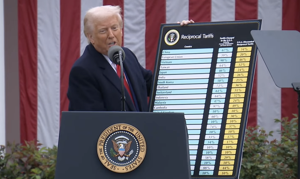
Major U.S. retailer reverses course on tariffs, says prices will go up

Illinois quick hits: Arlington Heights trustees pass grocery tax
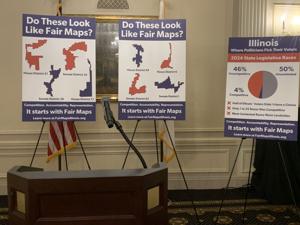
Plan launched to place redistricting amendment before voters in 2026
Illinois GOP U.S. Senate candidates point to economy, Trump gains
Executive Committee Details Spending of $134 Million in Pandemic Relief Funds
Lawmaker criticizes $500 student board scholarships amid lowered K‑12 standards