Everyday Economics: What jobs data actually show and why Fed is changing how it talks
Last week’s jobs report release was June’s, and it came in soft. Payrolls rose just 57,000, against a roughly 115,000 consensus, and April and May were revised down by a combined 74,000. The three-month average pace of hiring slipped to about 111,000 monthly.
The composition was mixed but still narrow. Professional and business services added 36,000 jobs, building on the 172,000 it has added since a recent low in October 2025 – a genuine, if not brand-new, bright spot. Social assistance added 25,000 and health care added another 22,000. But leisure and hospitality lost 61,000 jobs, the sharpest one-month drop since the pandemic, on weak seasonal hiring.
The unemployment rate ticked down to 4.2% from 4.3%, but the reason should temper any enthusiasm. This wasn’t households finding work: household employment fell by roughly 507,000 in June, the labor force shrank by about 720,000, and the number of people not in the labor force jumped by about 832,000. The rate fell because people stopped looking, not because more people found jobs.
Labor force participation fell to 61.5%, the lowest since March 2021. Excluding the pandemic period entirely, that’s the lowest reading since 1976. Either way you cut it, this is a labor market people are stepping out of, not one drawing them back in.
Wages tell a similar story of deceleration disguised as stability. Average hourly earnings rose 0.3% on the month and 3.5% over the year, up slightly from 3.4% – but with inflation still running above that pace, real wages are on track to fall for a third consecutive month. That’s a genuine squeeze on household budgets, and the main reason I expect consumer spending to lose momentum this summer.
Context: May looked stronger, but the composition was the real story
It’s worth setting June against May, because the same underlying pattern was already visible the month before – just easier to miss under a bigger headline number. One note on vintage: the figures below are May as initially reported on June 5. The June jobs release subsequently revised May down to +129,000 from +172,000; the sector-level composition hasn’t been re-published at that revised total, so treat the shares below as a snapshot of the original report, not the current number.
May’s initially reported 172,000 was read as proof of a resilient economy, more than doubling the roughly 80,000 consensus. But look at where those jobs came from. Government added 52,000 (local government did essentially all of it, +55,000; federal +1,000; state -4,000). Health care added 35,200 and social assistance added 12,000, for a combined 47,200. Government plus health care and social assistance together: 99,200 jobs, or 58% of the entire monthly gain as first reported, before a single job in the market-driven economy is counted.
Add leisure and hospitality’s 70,000 (mostly food services and bars, +48,000), and you’ve explained 98% of the original headline number. What’s left – construction, manufacturing, technology, wholesale and retail trade, transportation – split just 2,800 jobs among them. Manufacturing did add a modest 7,000, worth noting precisely rather than rounding to zero, but financial activities lost 22,000, and the rest of the traditionally cyclical, private side of the economy was flat.
Over the 12 months ending in March 2026, total nonfarm employment changed little on net. Inside that flat headline, health care and social assistance alone added 680,500 jobs, a 2.9% gain, while manufacturing lost 75,000, transportation and warehousing lost 121,200, and information lost 76,000.
The labor market is increasingly being supported by less cyclical sectors – especially health care, social assistance, and parts of government – while much of the more rate-sensitive private economy is closer to flat.
What that means for the Fed
Growth concentrated in less cyclical sectors is a source of apparent stability that can mask how little cyclical momentum is actually left. It’s also consistent with the case that the recent inflation surge – driven by successive supply shocks – is largely a one-time phenomenon rather than a durable trend. That underlying labor-market weakness gives the Fed a reason to stay on hold, provided the energy-driven inflation impulse doesn’t broaden into second-round price and wage pressures. That distinction – a one-time price-level shock versus a change in the inflation rate – is exactly the one the Fed itself has been drawing.
The Fed’s new playbook: Framework guidance over forward guidance
This week’s main event is the release of the minutes from the June 16–17 FOMC meeting – the first meeting under new Fed Chair Kevin Warsh. The headline from that meeting wasn’t really about rates; it was about communication. Warsh cut the length of the post-meeting statement roughly in half and dropped the sentence-by-sentence signaling about where rates are likely headed next.
He’s been consistent about why. At the ECB’s Sintra conference last week, Warsh reaffirmed that he intends to keep limiting forward guidance and he continues to prioritize price stability above other considerations. Pressed repeatedly on whether the Fed would raise rates at its next meeting, he stayed vague, saying the committee would hold a closed-door discussion in late July and reach a judgment based on the data as it comes in. He’s framed this as a genuine reset for global central banking – an opportunity to revisit first principles after years of frameworks built in response to the 2008 crisis – and has launched five task forces reviewing the Fed’s communications, balance sheet, data sources, and inflation framework, plus a fifth focused on productivity and jobs in the AI era.
Here’s the distinction that matters for readers, and it’s worth being precise about it: forward guidance is the Fed telling you what it plans to do next — “we expect to hold rates steady through the fall,” for example. Framework guidance is the Fed telling you how it decides — which data it weighs, how it weighs them, and what would have to change for its judgment to change – without previewing the actual decision.
Think of it like a football coach. Forward guidance is announcing the next play before the snap: useful right up until the defense adjusts, or the situation on the field changes and the coach is stuck with a promise. Framework guidance is the coach explaining how he reads the defense – his general approach – without ever tipping the specific play. It’s not less communication. It’s more discipline about the reaction function, paired with more flexibility to change course when the data changes, without the Fed having to walk anything back.
That combination – discipline plus flexibility – is the whole point. A Fed that’s explicit about its framework but silent on its next move is harder to pin down in the short run, and that’s already showing up as market volatility around Warsh’s early appearances. But it also means the Fed isn’t boxed in by a promise it made three months ago, in a different data environment.
Watch the minutes for how much of this shows up in the committee’s own words: whether Warsh’s colleagues are embracing the framework-guidance approach or pushing back, and how the group is thinking about the current bout of elevated inflation.
My own read, for what it’s worth, is that the sector-specific price pressures – the ones tied to the conflict in the Middle East and its effect on energy – are a one-time shift in the price level, functioning like a temporary tax on households and firms, rather than a durable increase in the inflation rate. The risk the Fed is actually watching for is whether that shock passes through into broader prices, wages and expectations – Warsh himself has drawn that line: the Fed can’t control the price of oil, but it has to prevent second-round effects. If the pass-through stays contained, that piece of inflation should fade later this year on its own, without the Fed needing to do much about it.
At the same time, a strict framework – like the Taylor rule – would have the Fed hiking two to three times this year. Markets expect closer to 4% by the end of the year, roughly one hike’s worth of tightening from here – a gap that reflects how much weight traders are putting on the labor market cracks rather than the inflation data.
Nothing in the last jobs report should change the underlying view: the labor market has settled into a steady but weak pace – carried by sectors that don’t respond much to rate policy – and inflation will likely remain a topic of debate among policymakers.






Mostly Sunny
Latest News Stories
In Brief: Capital & IT News
Will County Finance Committee July 1 Meeting Briefs
Will County Public Works Committee Juliy 1 Meeting Briefs

New Lenox Library Board Seats New Trustees, Reorganizes After Election
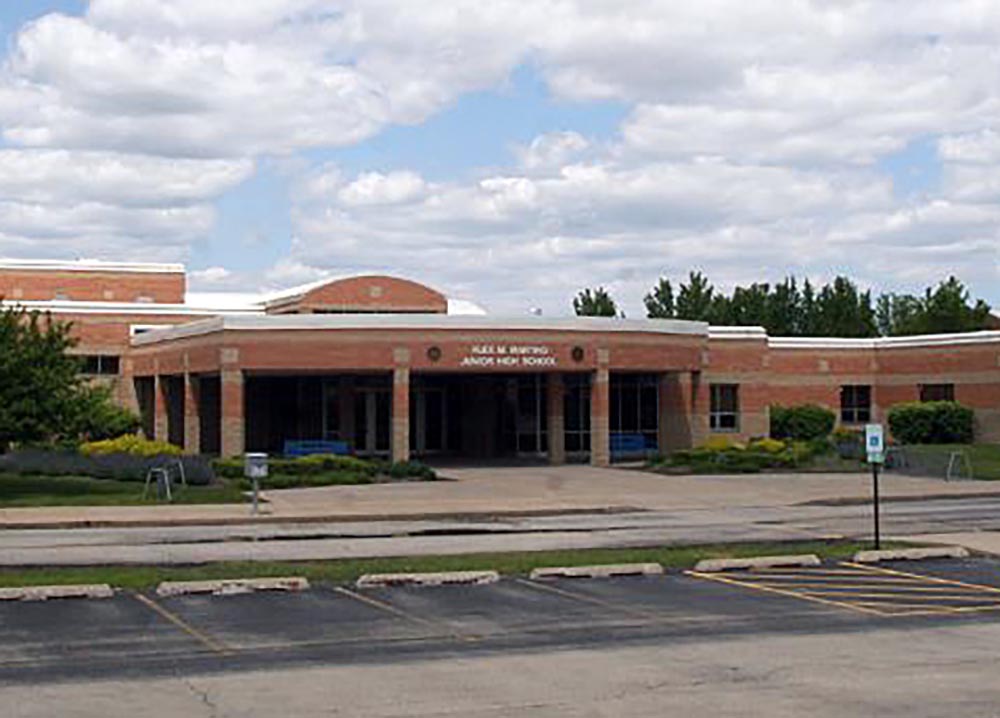
New Lenox D122 Board Approves Nearly $300,000 for Summer Maintenance Projects
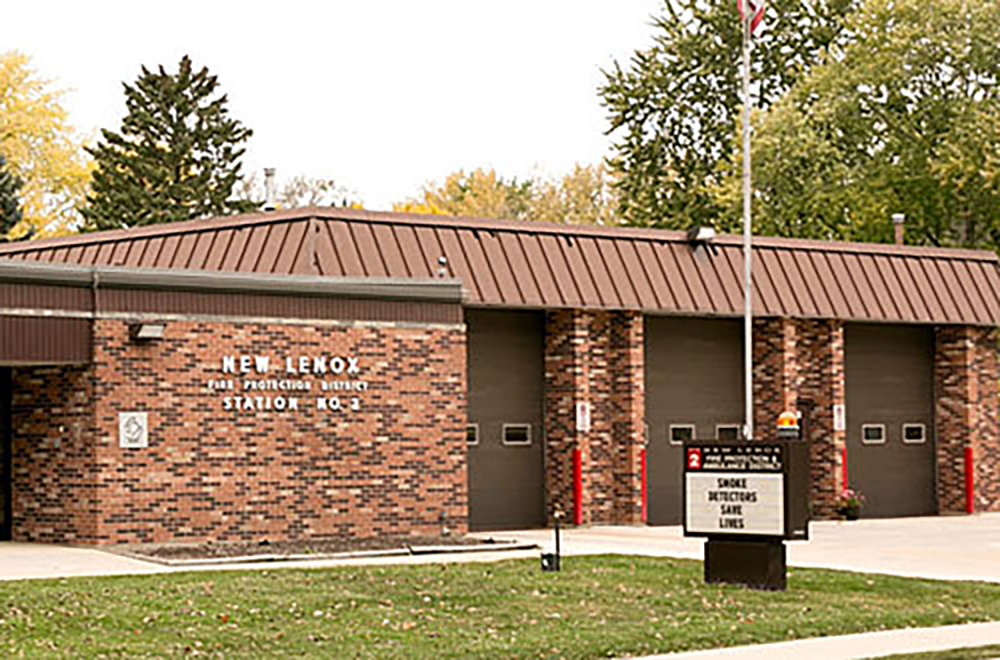
New Lenox Fire District to Launch Comfort Dog Program for First Responders, Community

Library’s ‘Studio’ Draws Record Crowds with New Tech and Creative Programs
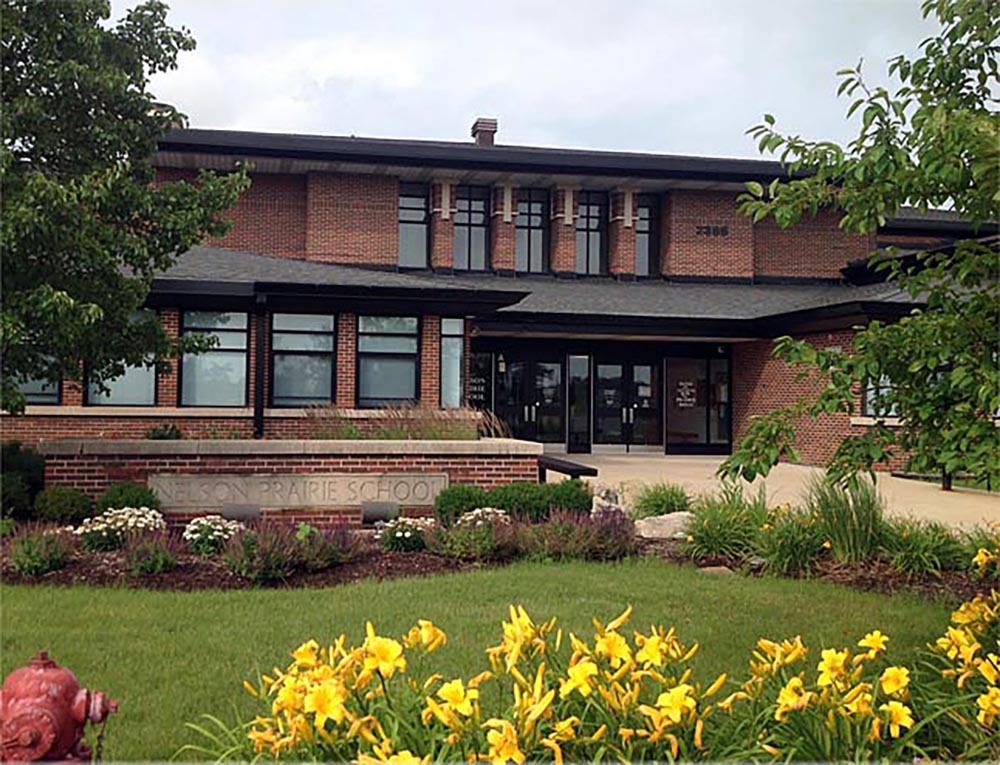
D122 to Spend $24,950 on Professional Enrollment Forecast
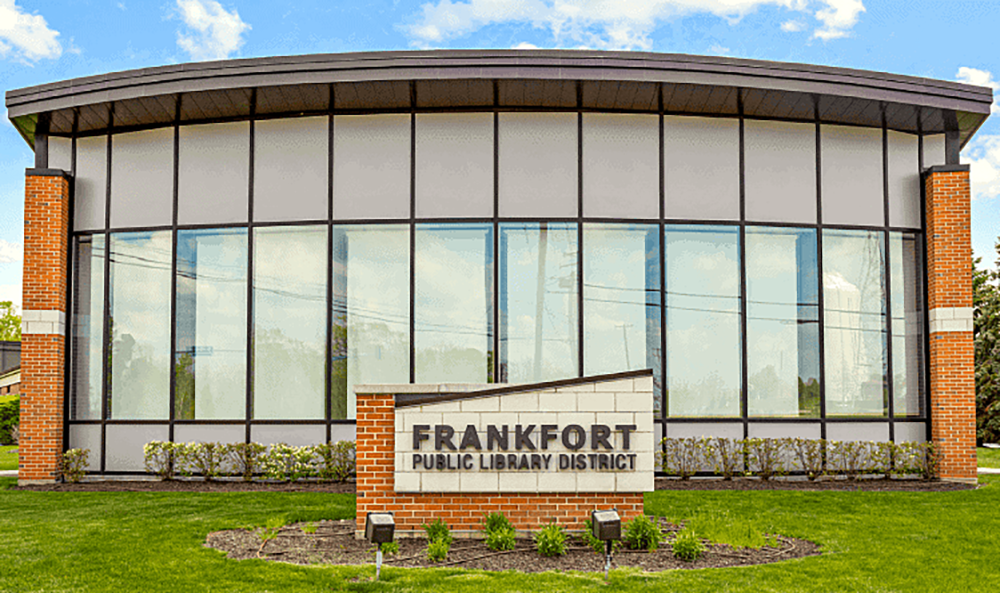
Frankfort Library Secures $83K Grant for Reading Room, Financial Report Shows Strong Position
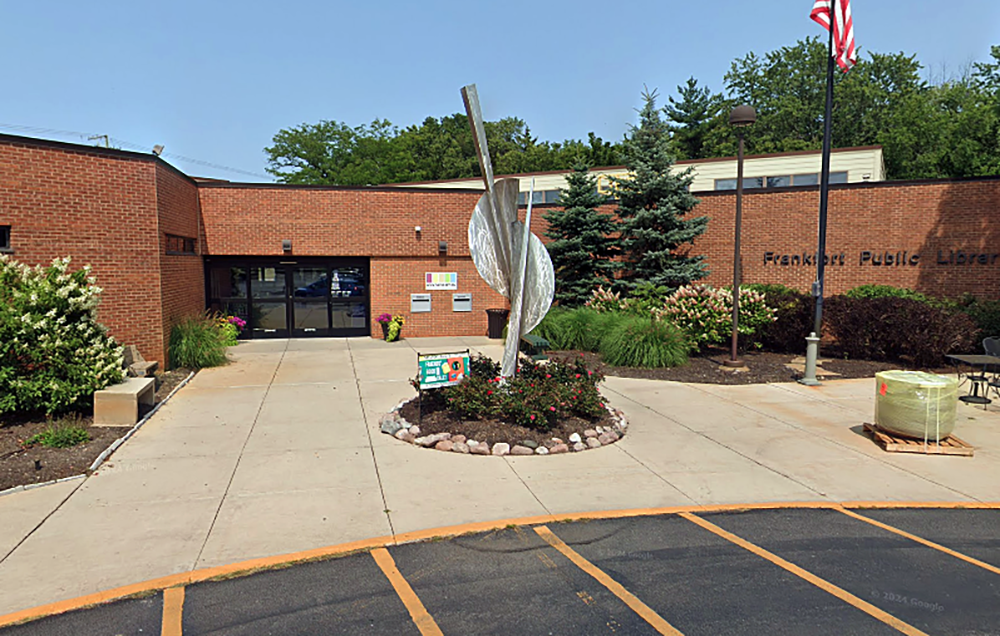
Frankfort Library Considers Limiting Digital Access on Educator Cards to Manage Costs

Newly Appointed Trustee Brooks Stenoish Takes Oath, Finalizing Frankfort Library Board
Meeting Summary: Frankfort Public Library District for June 26, 2025

JJC Trustees Approve Contentious FY26 Budget After Heated Debate, Failed Postponement