National security group report questions Environmental Law Institute’s China ties
A national security group wants Congress to investigate the Environmental Law Institute.
The group says the nonprofit helped shape climate lawsuits against American energy companies while building close ties with organizations connected to the Chinese government.
State Armor released a 39-page report this week stating that the Environmental Law Institute (ELI) worked with Chinese government agencies, universities, judges, and legal groups for decades while simultaneously training over 2,000 American judges through its Climate Judiciary Project.
State Armor CEO Michael Lucci also sent a letter to leaders of five congressional committees asking them to investigate ELI’s work with Chinese organizations and its judicial education programs.
“The result is a one-way vector that attacks American energy security while advancing China’s geopolitical interests,” Lucci said in a statement. “This puts U.S. national security at risk.”
The Environmental Law Institute did not immediately respond to The Center Square’s request for comment.
The report says ELI trained thousands of judges on climate science and legal theories used in lawsuits against oil and gas companies. It also says ELI worked with Chinese government agencies, universities, and institutions tied to the Chinese Communist Party, China’s military, or intelligence programs.
The report argues that those partnerships did little to reduce China’s carbon emissions while helping China better understand American environmental law and regulation. It says China’s annual carbon dioxide emissions have continued to rise during the years ELI has operated its China Program.
Lucci urged Congress to examine whether ELI’s relationships with Chinese entities affected its work in the United States.
“This all begs the obvious question: if ELI is motivated by the thought that it can change China’s behavior through its information exchanges, why wouldn’t China believe it can influence American energy policy through ELI?” Lucci said.
The congressional letter also asks lawmakers to review ELI’s Climate Judiciary Project. It says Congress should review the program’s funding, curriculum, expert selection, and governance, and determine whether judges who participated later oversaw climate cases involving issues covered in the training.
Jason Isaac, founder and CEO of the American Energy Institute, said the report raises questions about foreign influence.
“Energy security is national security, and America should never outsource either to Beijing,” Isaac said.
Former Acting Associate Attorney General Chad Mizelle also called for federal scrutiny.
“These firms need to sever their ties to the Environmental Law Institute, and the Justice Department needs to take a hard look at the rest,” Mizelle said.
The report’s release comes about a year after State Armor published another report that argued Chinese-backed organizations were working to weaken American energy independence. At the time, Lucci told The Center Square that China was using environmental policy to make the United States more dependent on Chinese energy technology.





Sunny
Latest News Stories
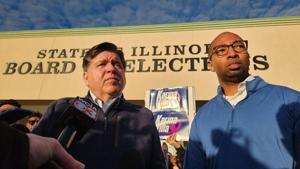
Illinois quick hits: Elections board considers primary election petition objections
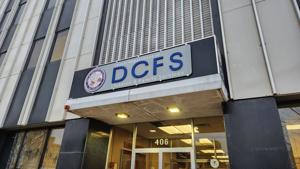
193 youth in care of Illinois’ child welfare agency missing in 2025

Hemp industry advocate promises to work with Pritzker, lawmakers
Will County Committee Approves Rezoning, Denies Landfill Permit for Former Joliet Beach Club Site
Meeting Summary and Briefs: Will County Land Use & Development Committee for November 6, 2025
Committee Rejects Rezoning for Fencing Company in Joliet Township

Frankfort Fire Trustees Hold Extended Closed Session on Chief Search
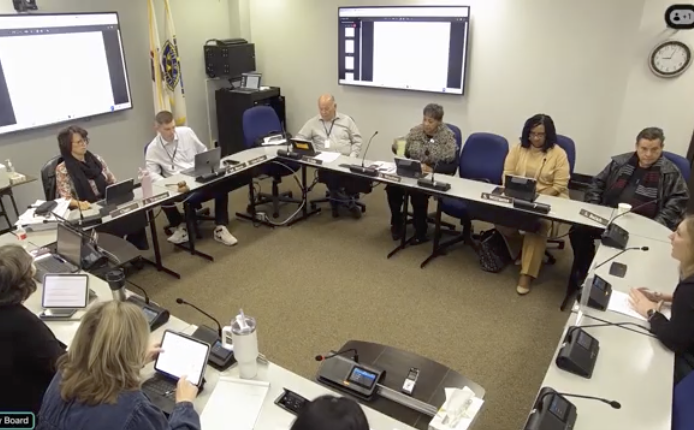
County Sales Tax Revenues Strong, Cannabis Funds Dispersed to Community Programs

Illinois sports wagers decline after implementation of new tax
Will County Committee Grants Extensions for Crete, Washington Township Solar Projects

Congress used government funding bill to ‘erase’ $3.4 trillion in deficits
Illinois patient relies on ACA tax credits, experts warn they drive higher premiums