
Trump to cut solar, wind subsidies on July 4th
The Trump administration is set to cut subsidies for new solar and wind power projects on Saturday. Estimates suggest the subsidies have cost taxpayers more than $141 billion over the past 16 years, more than any other energy source.
The Working Families Tax Cuts, a signature piece of President Trump’s tax legislation signed a year ago, set Saturday as the deadline for federal tax credit subsidies on any new solar or wind projects not currently under construction.
U.S. Department of Energy Secretary Chris Wright touted the subsidy deadline and criticized solar and wind energy projects in a video posted to social media Thursday.
“The wind doesn’t always blow, and the sun doesn’t always shine,” Wright said. “They drive up the system costs and increase Americans’ electricity prices.”
From 2010 to 2023, solar and wind energy projects received more than $141 billion in government subsidies combined, according to an analysis by the Texas Public Policy Foundation. The projects received more in government subsidies than any other energy source in the United States, the group reported.
“Beyond their direct costs, subsidies are causing artificially low or negative wholesale prices, scarcity prices during periods of high demand and low wind and solar generation, inefficient use of existing assets, and increased transmission costs,” Brent Bennett, a researcher at the Texas foundation wrote.
The government supports wind and solar projects through the Investment Tax Credit and the Production Tax Credit. The former is a one-time credit equal to the percentage of an amount invested and the latter is based on the amount of electricity produced.
Before the Trump administration’s proposed cut, the Congressional Budget Office estimated the two programs would increase the federal deficit by $308 billion between 2026 and 2035.
While the newly projected deficit isn’t expected to be as severe, the Trump administration’s push to end subsidies has led developers to rush projects in order to meet the accelerated July 4 deadline. Leaders in the wind and solar industry said the lapse in subsidies proved to be a motivating factor for construction to start on new projects.
The Solar Energy Industries Association estimated in a June report that developers had more than 200 gigawatts of solar capacity, which is enough energy to secure development through 2030. The wind energy industry developed 23 gigawatts of development projects, below the expected 46 gigawatts in the face of tax subsidies ending.
“While the solar industry has strong market fundamentals, it will take time to adjust to a post-tax-credit world,” the solar energy association wrote.
The Trump administration touted the benefits of the the Working Families Tax Cuts, including the rollback of solar and wind subsidies.
“The Working Families Tax Cut is not just good policy, it’s a demonstration of Republicans’ commitment and belief in the American worker and the American Dream,” a statement attributed to an unnamed White House official said.






Patchy Fog
Latest News Stories
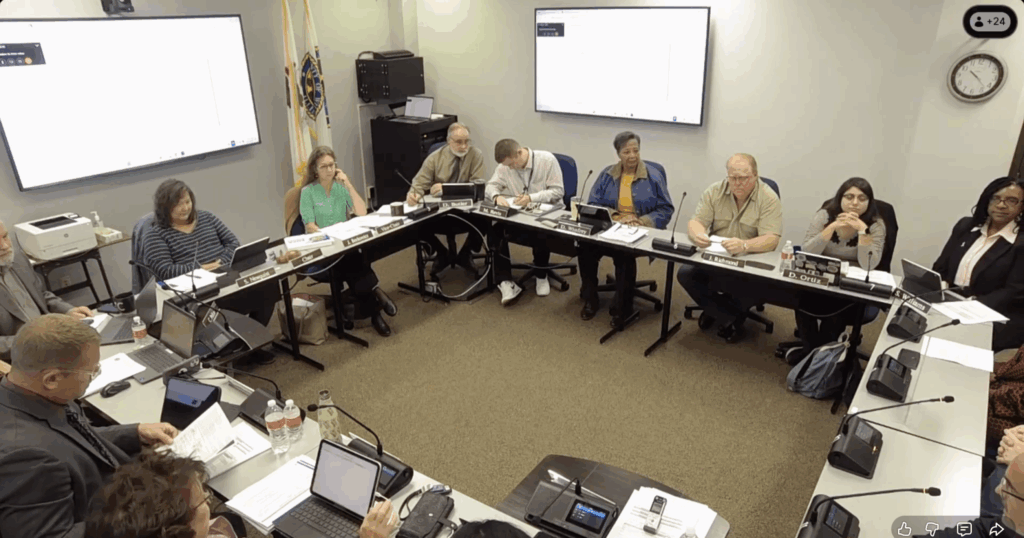
Will County Committee Grapples with $8.9 Million Budget Gap After Contentious 0% Tax Levy Vote
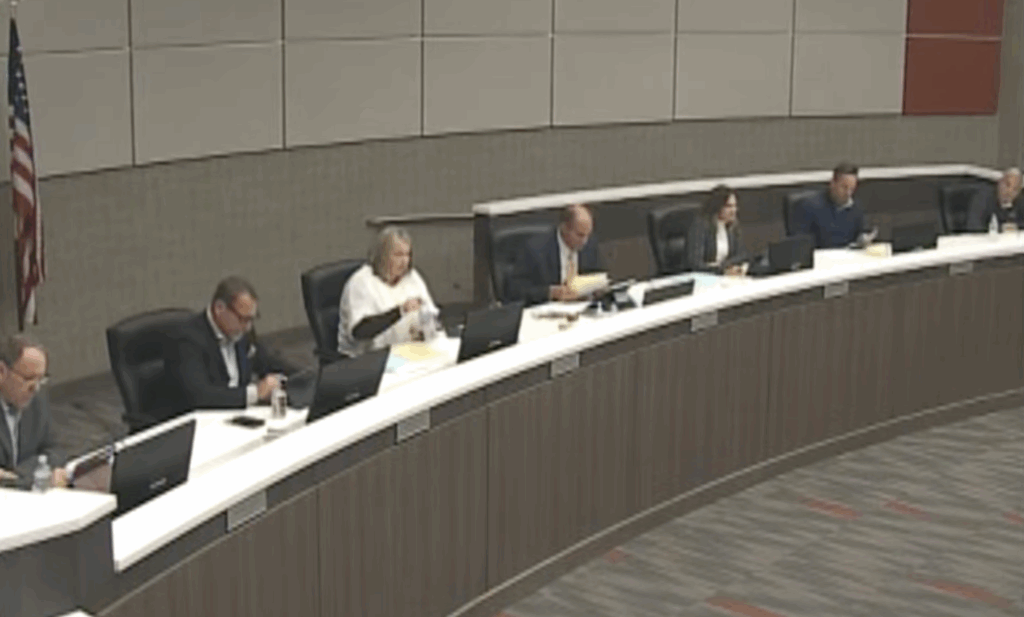
Frankfort Earns Clean Audit, Receives National Finance Award for 35th Consecutive Year

Poll: Young adults not confident in 2026 election fairness

Narco interdiction at sea isn’t new, CBP, Coast Guard have been doing it for years

Government shutdown halts visa, permanent resident approvals

Frankfort Approves Plan for 43-Home First Phase of Stalled Country Crossing Subdivision

Ads roll on, money pours in, and SCORE Act waits

Primary election filing to begin Monday for Illinois Dem, GOP candidates

Student Initiative Leads to Lunch Program Overhaul at Summit Hill

Frankfort Park District Awaits State Agreement on DCEO Grant Amid Public Interest

Universities respond to new federal Grad PLUS loan caps

Report shows California leads in debt among all 50 states