POLL: Majority of voters believe U.S. should stay in NATO
A majority of American voters say the U.S. should remain in NATO, according to The Center Square Voters’ Voice poll.
President Donald Trump has toyed with the notion of pulling out of the treaty, ramping up talks in recent months following a reluctance of several NATO nations to assist the U.S. in the conflict with Iran.
Fifty-nine percent of American voters say the U.S. should remain in the nearly 80-year-old treaty, while only 27% believe the U.S. should withdraw. Democrats overwhelmingly support the U.S. remaining in NATO, at 73%, while 46% of Republicans agree.
In contrast, 39% of Republicans believe the U.S. should withdraw from the treaty, while only 16% of Democrats agree.
Mike Noble, founder and CEO of Noble Predictive Insights, says the poll is indicative of how Americans view the nation on a global scale and that Americans can compartmentalize the political climate.
“What makes this poll stand out is that NATO is one of the clearest measures of how Americans view the U.S.’s role in the world at a time of growing instability. Unlike a lot of domestic issues that are heavily polarized, NATO tends to test something deeper — whether voters still believe America should lead on the global stage or pull back inward,” Noble said. “What’s especially notable is that support for NATO often holds even when trust in other institutions is declining.”
Since taking office for a second time, Trump has pressured NATO member nations to increase their GDP spending on defense, with the U.S. contributing about $753 million, about 16% of NATO common funds in 2024, according to Taxpayers for Common Sense.
The president has called on NATO nations to increase their NATO contributions to 5% of their GDP.
The president indicated earlier this year that he was considering withdrawing from NATO. During a bilateral meeting in the Oval Office on March 17, The Center Square asked Trump whether he was reconsidering America’s relationship with NATO and possibly withdrawing from it.
The president responded by expressing disappointment in NATO’s lack of support for the U.S. strikes on Iran.
“Well, I’m disappointed in NATO that we spend trillions of dollars on NATO. Think of it, trillions over the years … It’s one of the reasons we have deficits and we help other countries when they don’t help us,” Trump told The Center Square. “I mean, it’s certainly something that we should think about.”
Some NATO countries, including France, Spain and Italy, have come under scrutiny for prohibiting American forces from using bases in those countries to carry out strikes against the Iranian regime and assisting the U.S. in securing the Strait of Hormuz.
Other administration officials, including Secretary of State Marco Rubio and Secretary of War Pete Hegseth, have supported the president’s criticism of NATO.
In May, while attending a NATO meeting in Sweden, Rubio addressed the strained relationship between the U.S. and some NATO countries with respect to their lack of support for the U.S. operations against Iran, underscoring the conflict in Iran.
“The president’s views, frankly, disappointment at some of our NATO allies and their responses to our operations in the Middle East, are well documented. That will have to be addressed, but that won’t be solved or addressed today,” Rubio told reporters during the meeting.
The secretary called the differences within NATO over cooperation a “challenge,” highlighting the different political dynamics and budgetary constraints impacting the alliance.
Rubio criticized many NATO nations for their lack of defense spending, a long-time source of contention between Trump and NATO.
“Some countries are still lagging,” said the secretary of state.
Earlier this week, Hegseth attended the NATO Defense Ministerial in Brussels, Belgium, urging NATO nations to take a more active lead, including in their spending. The secretary told NATO partners that the Department of War would undergo a six-month review of American military troops based in Europe.
The president is expected to attend a NATO meeting in Turkey next month, where he will likely continue his push for greater spending by many NATO nations.
The results come from a poll conducted by Noble Predictive Insights from June 1-4, which surveyed registered voters nationally via an opt-in online panel and text-to-web cell phone messages. The sample included 2,585 respondents, comprising 915 Republicans, 1,013 Democrats, and 297 True Independents (Independents who, when asked whether they leaned toward one of the major parties, chose neither). The margin of error is +/- 1.93%.






Mostly Sunny
Latest News Stories

Democratic candidates focus on national politics in campaign for U.S. Senate

Chicago posts fewest homicides since 2016, arrests rate also declines

Illinois quick hits: Prosecutors charge two more in Tren de Aragua case; Senate Energy and Public Utilities Committee meets today; Illinois Little League team loses in World Series
Report: Human Rights Campaign pressures transgender procedures on minors

Everyday Economics: Housing market and Fed policy in focus in the week ahead
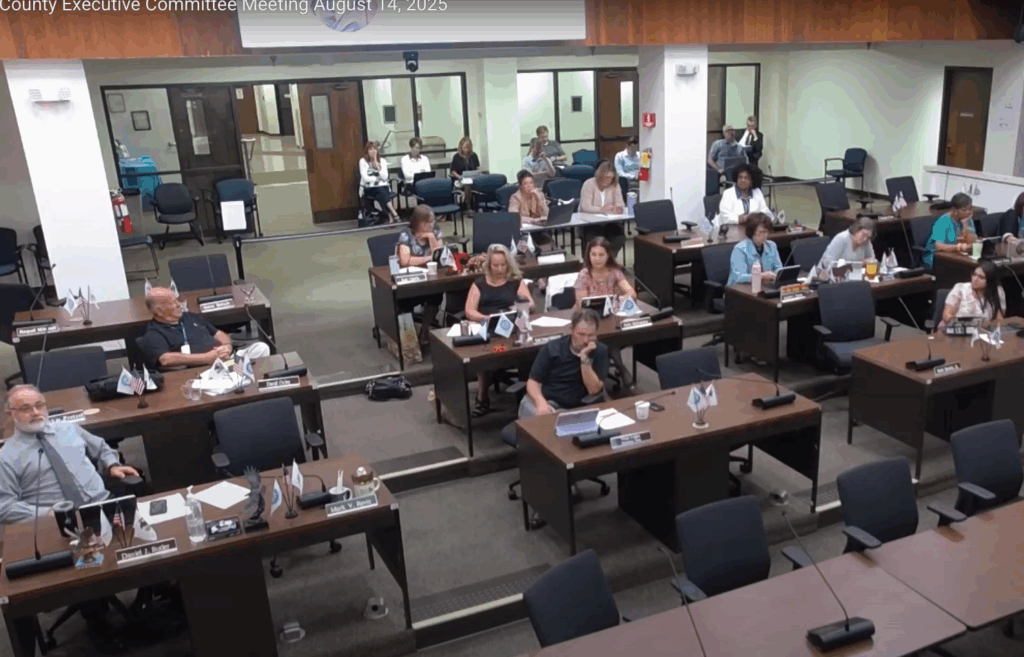
Executive Committee Considers $12,000 Strategic Planning Initiative with University of St. Francis

Businesses brace for new tax challenges amid global tariff focus

Illinois takes over health insurance marketplace in 2026 amid skepticism

WATCH: IL state reps challenge IEMA-OHS responses to local agencies
Judge expands restraining order against ‘Beto’ O’Rourke, adds ActBlue
Executive Committee Members Decry Roadside Litter, Call for Action Against Garbage Haulers

Reversing Biden’s precedent, students complete FAFSA in minutes at beta-testing event