Feds plan for student loan interest rates could cost taxpayers
The U.S. Department of Education is reducing student loan interest rates for borrowers, but critics argue the move could cost taxpayers billions of dollars.
The Education Department announced this week that federal student loan borrowers enrolled in automatic payments will be eligible for a 1% interest rate reduction beginning July 1.
Borrowers who plan to enroll in auto pay by Sept. 30, 2026, and those who are enrolled, will receive this reduction in the interest rate through June 30, 2028.
Federal student loan interest rates currently range from 6.39% to 7.94% for undergraduate and graduate borrowers. The average student loan balance in the U.S. is about $40,000, while the federal student loan portfolio totals approximately $1.8 trillion.
Education Under Secretary Nicholas Kent said the Trump administration’s temporary student loan interest rate reduction is intended to help borrowers manage repayment and explore affordable repayment plan options.
Before COVID-19, over 80% of student loan borrowers were actively in repayment plans and currently, due to the previous administration’s policies on student loan forgiveness programs, only 40% are enrolled in either auto pay to active repayment.
The Committee for a Responsible Federal Budget, a Washington, D.C.-based nonprofit, criticized the Education Department’s new policy.
According to the organization, the change could cost taxpayers at least $5 billion and effectively amounts to a form of student debt cancellation because it reduces the total amount borrowers repay over the life of their loans rather than lowering monthly payments.
CRFB President Maya MacGuineas said the policy primarily benefits borrowers who are already making payments on their loans.
“Make no mistake: Quadrupling the auto-pay incentive is debt cancellation by another name. And worse, it’s targeted at people already making repayments,” MacGuineas said. “The auto-pay interest deductions don’t even reduce monthly payments or improve affordability — they just wipe out debt balances, especially for high-earning professionals that are already doing quite well.”
MacGuineas said expanding the discount could set a precedent for future administrations to further reduce or eliminate student loan interest rates through executive action.
Instead of expanding loan benefits, the CRFB said the Trump administration should focus on addressing the projected $100 billion shortfall in the Pell Grant program, which could reduce aid for low-income students.



Mostly Sunny
Latest News Stories

Dallas Fed: Geopolitical conflicts creating uncertainty for U.S. oil and gas industry
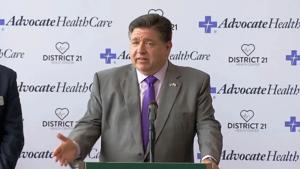
Illinois Quick Hits: Pritzker pushes for E15
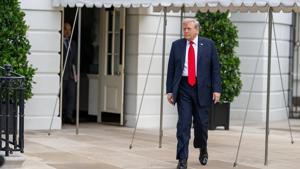
Trump addresses nation on Iran strikes; signals conflict nearing end

IL biometrics privacy reforms apply to past cases, too: Appeals court
Artemis II heads to the moon with first crewed mission since 1972
Pro-life org to Trump: Taxpayers should not be forced to fund killing of unborn children
Birthright citizenship advocates confident in SCOTUS hearing

College funding bill draws dissent from big Illinois universities
Illinois quick hits: Chicago announces $300 million housing spend; Rockford men faces cocaine trafficking charges; State to honor troopers killed in the ling of duty
Pentagon commits to tripling Patriot missile production at $4 million per
Supreme Court appears skeptical of Trump’s birthright citizenship order
Advocates urge stable tariff policy, protections against China