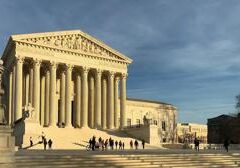
Supreme Court sides with criminal appeal rights
The U.S. Supreme Court, in an 8-1 decision on Thursday, upheld a man’s right to appeal a prison sentence that also prescribed him mental health medications.
The case, Hunter v. U.S., focused on Munson Hunter III, who was charged with 10 counts of bank and wire fraud. Hunter pleaded guiilty to one of the charges in exchange for dismissal of the nine other charges.
His plea deal included an appeal waiver where he dismissed the right to appeal his conviction and sentence. However, during his sentencing, a probation officer recommended Hunter take mental health medications and undergo certain mental health treatments.
Hunter objected to taking mental health treatment or medication and appealed the sentence. A lower court held that Hunter would not be able to appeal the sentence because he agreed not to appeal as part of his plea deal.
However, justices on the high court did not agree. Justice Elena Kagan wrote the agreement not to appeal is “unenforceable” because it would result in a “miscarriage of justice.”
Kagan said preventing an individual to appeal could place a significant amount of power into the hands of a judge, without proper checks and balances on said power.
“Suppose a judge sentences a misdemeanant to life in prison, when the applicable law caps a prison term at one year; if an appellate court had to dismiss the resulting appeal, it would call into doubt the judicial system’s very attachment to law,” Kagan wrote in the court’s majority opinion.
Justice Clarence Thomas provided the lone dissenting opinion in the case. He expressed skepticism about Hunter’s ability to take issue with his appeal waiver. Thomas argued the history of the judicial system in the United States has not allowed individuals to challenge appeal waivers.
“The Court appears to rest on its policy concern that holding defendants to their waivers may sometimes lead to unfair results or make federal courts look bad,” Thomas wrote. “But, policy concerns are not rules of decision in courts of law.”
Thomas said Hunter’s appeal was an attempt to reduce his sentence, when it was already significantly reduced due to his plea deal. He said the appeal waiver could not stand.
“Hunter’s knowing and voluntary waiver of his statutory appeal rights in his valid plea agreement required dismissal of his appeal,” Thomas wrote.






Mostly Sunny
Latest News Stories
Iran War Powers resolution fails in House

Chicago police monitor Iran-U.S. conflict; public advised to be aware
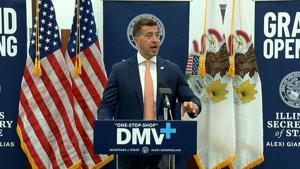
Illinois secretary of state wants nearly 2% budget increase

Illinois Quick Hits: Suspect arrested in connection with East St. Louis killing

Meeting Summary and Briefs: Will County Landfill Committee for February 10, 2026

Meeting Summary and Briefs: Will County Board for February 19, 2026

Board Approves Joliet Township Clean Fill Facility Despite Environmental Objections

Will County Board Unanimously Rejects Controversial Solar Farm in Troy Township
Oil cos. ask to pause Chicago climate ‘deception’ suit til SCOTUS weighs in

Illinois quick hits: Ex-Carlyle Police Chief faces federal embezzlement charges;

Lawmaker proposes property tax credits as housing debate continues

Illinois municipalities push for local fuel tax as gas prices rise