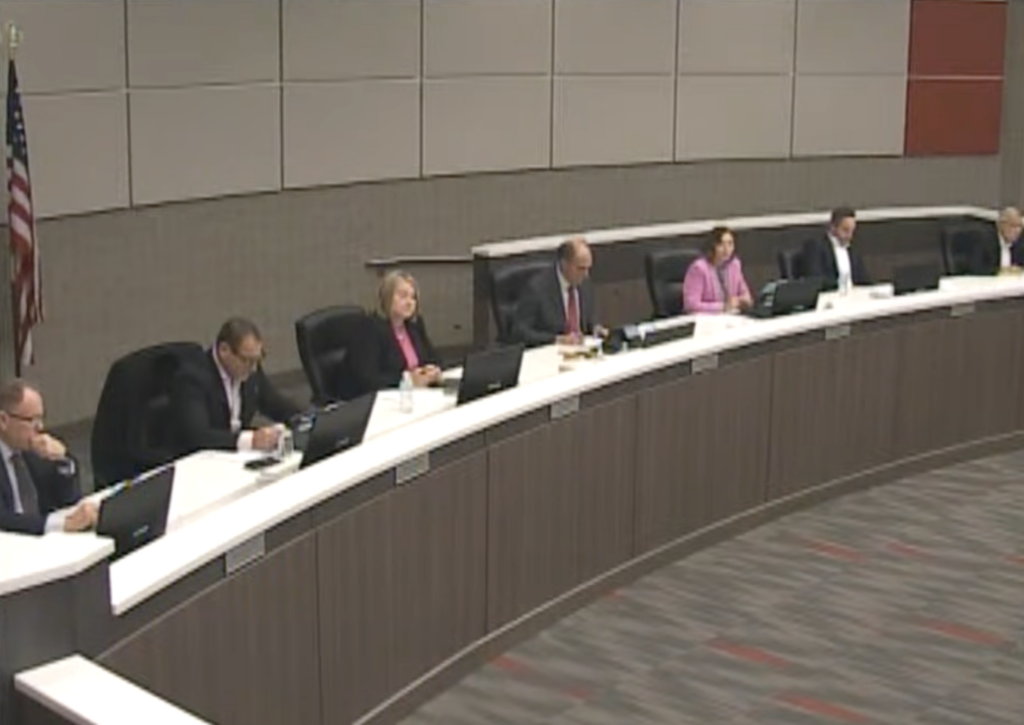
Educators seek balance between AI innovation, traditional learning
The future of K-12 education as it relates to Artificial Intelligence (AI), and what can be done to preserve education at both the state and federal level in an ever-changing world, was discussed at a U.S. Subcommittee on Education and the American Family hearing Tuesday.
Chairman Tommy Tuberville, R-Alabama, said he and Ranking Member Lisa Blunt, D-Delaware, have taken steps to ensure the protection of education with the innovation of AI through a letter they sent to the Government Accountability Office, asking them to begin an investigation on the effects AI has on K-12 education.
“We have the responsibility to make sure they’re prepared not just to use AI, but to compete, innovate and lead in a world where AI will be everywhere,” Tuberville said.
Blunt said that reports found that 84% of students use AI in their schoolwork and 85% of teachers use AI in their work.
Witness Erin Mote, CEO of Innovate EDU and EDSAFE AI Alliance, cautioned the committee on what she characterized as the dangers of AI.
As a mother of two school aged kids, she said she feels the effects of AI personally.
“More than half of schools have failed to provide any professional development on the safety use of AI,” Mote said. “Our schools urgently need federal leadership, structured support, and dedicated funding.”
Mote emphasized that significant safety controls are needed within the use of AI in education.
“Congress must ensure that AI is built for our children’s safety, learning and healthy development, while also building tech literacy and digital responsibility in our students to protect our students without stifling innovation or widening the digital body,” Mote said.
Witness Joshua Jones, CEO of QuantHub, a K-12 AI literacy platform that produces measurable data and AI skills training, said that before they even leave High School, students are earning high level data credentials because of their AI training.
“… integrating this kind of training into the state’s educational framework is about preparing students for the future of work, while keeping Alabama competitive in a rapidly evolving digital economy,” said Jones.
Witness Cynthia Marten, Secretary of Education for the Delaware Department of Education, said it’s up to this generation to preserve and protect the education of the next.
“When you put that teacher with the knowledge and skill to use these advanced tools,” Marten said, “you can actually improve at a great rate the learning outcomes for students that is in the hands of the educators.”






Mostly Sunny
Latest News Stories

Meeting Summary and Briefs: Frankfort Village Board for December 15, 2025

Summit Hill District 161 Introduces Junior Board Members, Honors Special Educators
Meeting Summary and Briefs: Will County Board for December 18, 2025

Frankfort Township Board Approves Tax Levies for Township and Highway Department

Library Pursues Permit Fee Reduction for Renovation Projects
Lincoln-Way High Schools Maintain Top State Rankings; EL Progress Jumps

Undersheriff Brian Conser Retires After 29 Years of Service

Frankfort Swears In New Officer, Congratulates Retiring 26-Year Veteran
District 161 to Overhaul Food Service with New Management Contract

County Approves Engineering for Peotone Road and Safety Upgrades

Frankfort Library Board Accepts Audit Showing $498,000 Increase in Net Position
Lincoln-Way Board Approves $731,000 Freshman Laptop Purchase