
Hanaway leads push for EPA abortion pill water safety tests
Missouri Attorney General Liz Catherine Hanaway is leading a coalition of state AGs asking the U.S. Environmental Protection Agency to study the potential impact of the abortion drug mifepristone on America’s waterways and drinking water supply.
The 14-state coalition is urging the EPA to add mifepristone and its generic equivalents to the agency’s Contaminant Candidate List, which may lead to additional study and potential regulation under the Safe Drinking Water Act.
“Americans deserve a science-based review of mifepristone’s presence in wastewater and any potential impacts it would have on public health,” Hanaway said in a social media post.
“Over the last decade, the FDA has eliminated many of the protections that minimized the health risks posed by mifepristone and its approved generics, including the in-person dispensing and check-up requirements that kept medical staff involved in the process,” the June 5 letter states. “Not only were the FDA’s changes to the regimen and risk evaluation and mitigation strategy (REMS) unlawful and unsafe, but the loosened regulations have also increased the number of chemical abortions occurring in the home, resulting in tons of chemically tainted medical waste being flushed into American waterways.”
Louisiana AG Liz Murrill also signed the June 5 letter.
“Louisiana has been leading the fight against the dangers of mifepristone for years, Murrill said. “We’ve taken action to stop abortion drugs from being illegally shipped into our state and to hold abortion providers accountable for violating Louisiana law.
“As the use of mifepristone continues to increase, the EPA has a responsibility to investigate potential threats to our drinking water, and this drug should be added to the Contaminant Candidate List for further evaluation. Proud to join my fellow Attorneys General in this effort.”
If mifepristone reaches sufficient concentration, the coalition says pregnant women who unintentionally ingest the drug through the public water supply could be at greater risk of health complications than the general population. In addition, recent research suggests that mifepristone can affect reproductive organ development and fertility.
Chemical abortions accounted for 63 percent of all U.S. abortions in the formal health care system as of 2023, compared to 31 percent in 2014 and 14 percent in 2005. These numbers do not include self-managed chemical abortions that occur when abortion providers mail mifepristone in violation of state law, which is also increasing.
In addition to Hanaway and Murrill, the other AGs who signed the letter are from Alabama, Alaska, Arkansas, Florida, Idaho, Indiana, Kansas, Kentucky, Nebraska, Oklahoma, South Carolina and Texas.






Slight Chance Rain Showers then Partly Sunny
Latest News Stories
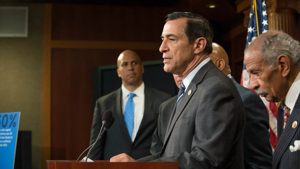
Congressional Perks: Luxury cars and mileage result in big costs for taxpayers

State Assessment Shake-up: Frankfort 157-C to Form Committee for New Honors Criteria
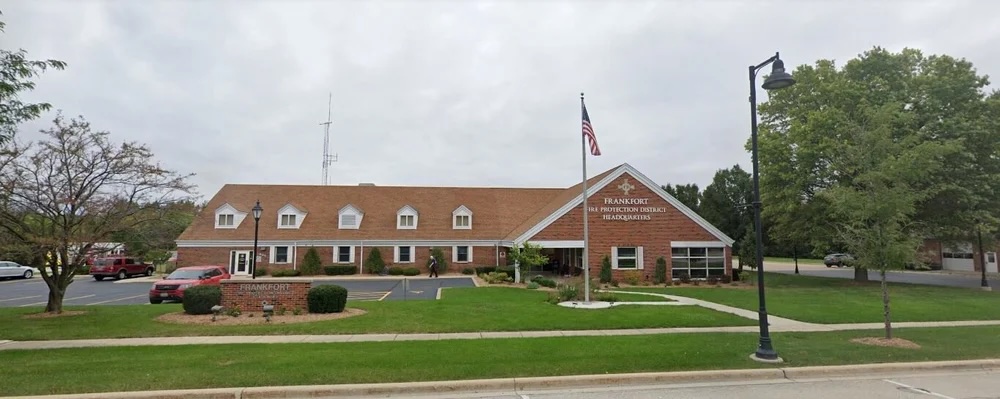
Frankfort Fire District Adopts Updated Fire Codes to Address Solar Power, New Technologies

Illinois quick hits: $20 million for Alton housing project; alleged migrant assaults reported

WATCH: Illinois DCFS can’t locate documents showing number of missing children

Will County Committee Advances Phased Takeover of Central Will Dial-A-Ride Service

Frankfort Board Denies 24-Hour Drive-Thru Permits for McDonald’s

Frankfort Library Board Approves 2025 Tax Levies

Meeting Summary and Briefs: Frankfort Park District Committee for September 23, 2025

Hunter Prairie Park Redevelopment on Track, Four-Year Journey Detailed

Frankfort 157-C Board Approves $47 Million Budget for 2025-2026 School Year

Park District Gathers Sports Group Input for State-Funded Master Plan