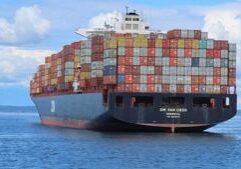
New tariffs could raise nearly $1 trillion over a decade
Proposed tariffs on imports from 60 economies could raise nearly $970 billion over the next decade, according to estimates released Monday by the Committee for a Responsible Federal Budget.
The tariffs, proposed under Section 301 of the Trade Act of 1974, represent the broadest use of that authority to date and the Trump administration’s largest effort to rebuild its tariff revenue base after the U.S. Supreme Court struck down tariffs imposed under the International Emergency Economic Powers Act in February.
The Committee for a Responsible Federal Budget estimated the new Section 301 tariffs would generate about $980 billion in revenue over 10 years. After accounting for an estimated $10 billion reduction tied to changes in steel, aluminum and copper tariffs, the net revenue gain would total roughly $970 billion on a conventional basis.
Combined with tariffs already in place, the administration is projected to collect about $1.9 trillion in tariff revenue through fiscal year 2036, down from a projected $2.7 trillion before the Supreme Court’s February ruling.
Despite the additional revenue, federal debt is still projected to reach 122% of gross domestic product by 2036, according to CRFB. Before the court ruling, debt was projected to reach 120% of GDP by that year.
Since losing its authority to impose tariffs under the International Emergency Economic Powers Act, the administration has relied on multiple trade statutes to pursue its tariff agenda. Courts also struck down a 10% global tariff imposed under Section 122 of the Trade Act in May.
A pending Supreme Court case, HMTX Industries v. United States, could limit the federal government’s ability to expand Section 301 tariffs.
Economists generally conclude that tariffs are paid largely by American consumers and businesses rather than foreign governments. Research from the Kiel Institute for the World Economy and the Federal Reserve Bank of New York found that the costs of tariffs are primarily borne domestically.
The Yale Budget Lab, a nonpartisan policy research center, estimates the existing tariffs cost the average U.S. household between $600 and $800 annually, a figure that does not include the proposed Section 301 tariffs.
The White House disputes that assessment.
“The cost of tariffs will ultimately be borne by foreign exporters who rely on access to the American economy,” White House spokesman Kush Desai previously told The Center Square.
Public comments on the proposed tariffs are due by July 6. Hearings are scheduled for July 7.





Slight Chance Drizzle
Latest News Stories

Democratic PACs being investigated for bankrolling AWOL Texas House Democrats
Pritzker: Chicago mayor ‘never once called’ to oppose pension bill

WATCH: Illinois In Focus Daily | Thursday Aug. 7th, 2025

Illinois quick hits: Cook County declares flood disaster; opt-out forms promoted; State Fair begins

WATCH: IL Republican pushes for TX quorum rules that Pritzker hails as ‘hero’ move

Frankfort to Implement 1% Grocery Tax, Replacing State Levy to Preserve Revenue

Frankfort to Sell Vacant Downtown Property Valued at $325,000 for Commercial Redevelopment

New Sushi Restaurant ‘The Orange Hat’ Approved for Frankfort

Village Board Approves Zoning Variances for New Custom Home on Bowen Street

Meeting Summary: Frankfort Village Board for August 4, 2025

Indiana Woman Identified as Victim in Fatal Wilmington-Peotone Road Crash

Multiple Agencies Rescue Person in Mental Health Crisis from Frankfort Pond

Green Garden Township Forges Ahead with New Town Hall Plan, Faces Budget and Neighbor Concerns