Taxpayer risk cited after Bears stadium bill stalls
(The Center Square) – Chicago Bears stadium legislation is stalled after questions arose about a potentially unpopular tax structure and financial risk for taxpayers.
Speaking at the Illinois Capitol on Monday, Illinois House Speaker Emanuel “Chris” Welch explained why a bill providing for a publicly-owned, property tax-exempt stadium was not called for a vote before the legislature adjourned, ending its spring session.
“To pass a bill about the Bears, just being about the Bears, the votes weren’t there,” Welch said.
An amended version of House Bill 958 passed the Senate earlier on Monday.
“We didn’t have time to find out what other folks thought of the bill. I need to have some feedback from our members before asking them to vote for it on the floor,” Welch said.
The bill called for a publicly-owned stadium that would pay no property taxes. It would establish a municipal stadium authority to own a facility the Bears could build in Chicago, Arlington Heights, Cicero, Evanston or Schaumburg.
Gov. J.B. Pritzker said he believes a business like the Bears should get incentives that are similar to those offered to other businesses.
“The reality is I wasn’t willing to give up billions of dollars of taxpayer money in order to give it to a billionaire-owned team,” Pritzker said.
Earlier Monday on the Senate floor, Sen. Seth Lewis, R-Bartlett, expressed concern that the stadium authority appointed by municipal officials would have taxing and bonding powers.
Lewis asked the bill sponsor, Sen. Bill Cunningham, D-Chicago, if the stadium could set up a tax structure the community might not want.
“The bill does not prohibit a municipality from doing just that. I would point out this is restricted to home rule units of government. They have those taxing powers right now,” Cunningham said.
Americans for Prosperity Illinois Deputy State Director Brian Costin said lawmakers have more work to do to provide certainty for taxpayers.
“The last-minute replacement municipal stadium authority bill was narrower than the megaproject bill, but if it had passed, it still could have exposed Cook County taxpayers to billions of dollars in long-term risk,” Costin said in a statement.
Although the Bears have not publicly indicated they would reconsider the decision to narrow their stadium site options to Arlington Heights or Hammond, Indiana, Chicago Mayor Brandon Johnson said his city’s 2024 plan reflected the same principles the legislature ultimately centered on.
“We have a publicly owned site the team has already vetted and approved, an existing sports authority with a dedicated revenue stream, and a framework for moving a deal forward,” Johnson said in a statement.
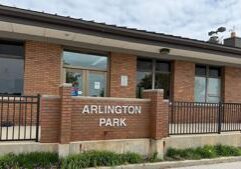
Arlington Heights Mayor Jim Tinaglia expressed disappointment and said in a statement that the outcome of the legislative session was a “fumble” for Illinois.
Hammond, Indiana Mayor Thomas McDermott, Jr. said in a social media post that someone should check on the state of Illinois. Quoting the musical “Hamilton,” McDermott posted, “You don’t have the votes, you don’t have the votes.”



Mostly Sunny
Latest News Stories
Township Appoints Temporary FOIA Officer During Trustee’s Leave of Absence
Meeting Summary and Briefs: Green Garden Township Board for August 11, 2025

Illinois quick hits: Fatal crash involved Guatemalan national; tentative Chicago firefighters contract
WATCH: Sonya Massey bill requiring full employment history for police candidates now law

Chicago group says Illinois officials break laws as they blast Trump
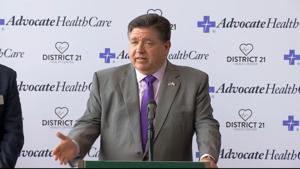
Pritzker continues fielding presidential question ahead of State Fair rally

WATCH: Illinois In Focus Daily | Tuesday Aug. 12th, 2025

About Us

Everyday Economics: CPI takes center stage as tariff-driven price pressures mount

Net negative migration is harmful to the economy, economists say

Details pending on billions in foreign investments coming from trade deals
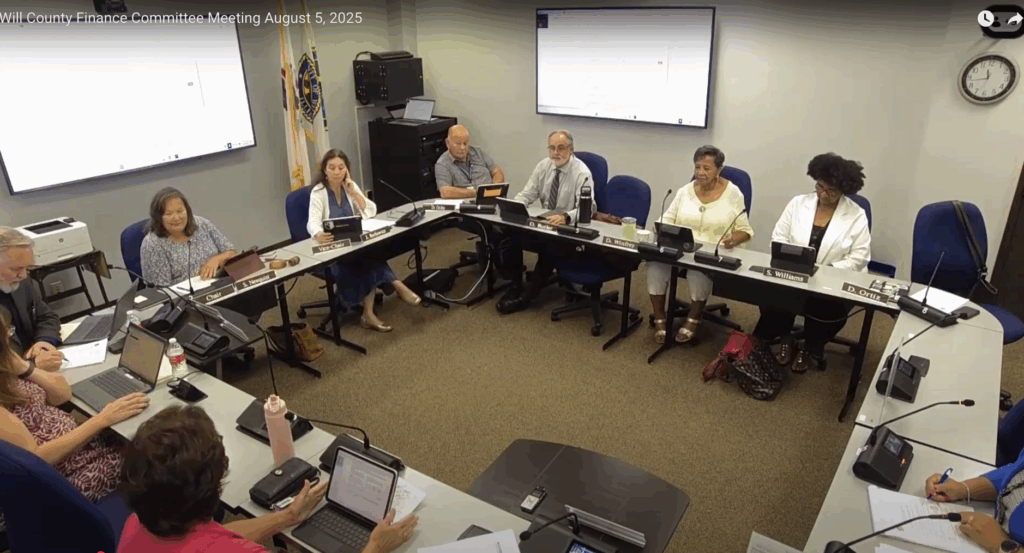
Will County Health Department Seeks $1 Million to Avert ‘Drastic’ Service Cuts from Expiring Grants
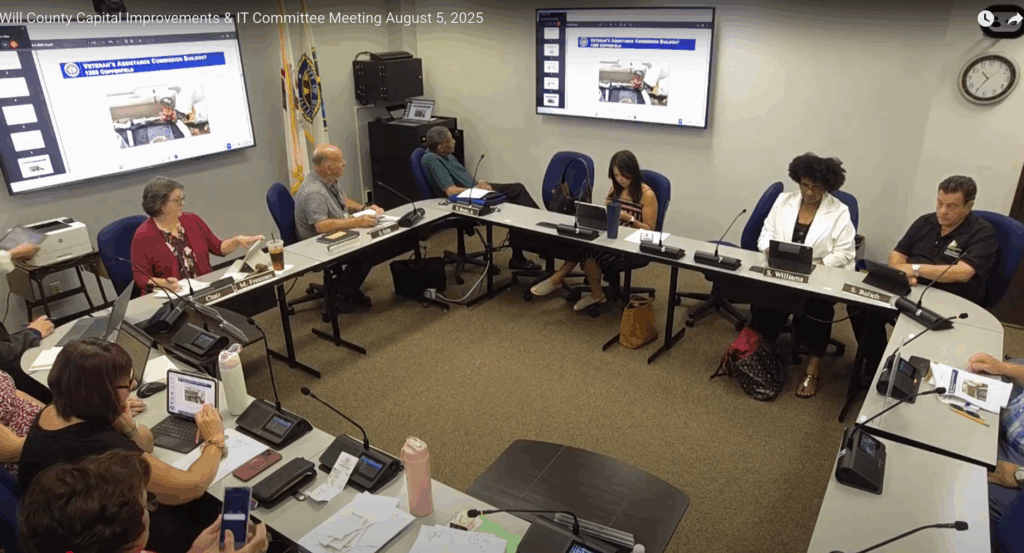
Will County’s “First-in-Nation” Veterans Center to House Workforce Services, Sparking Debate
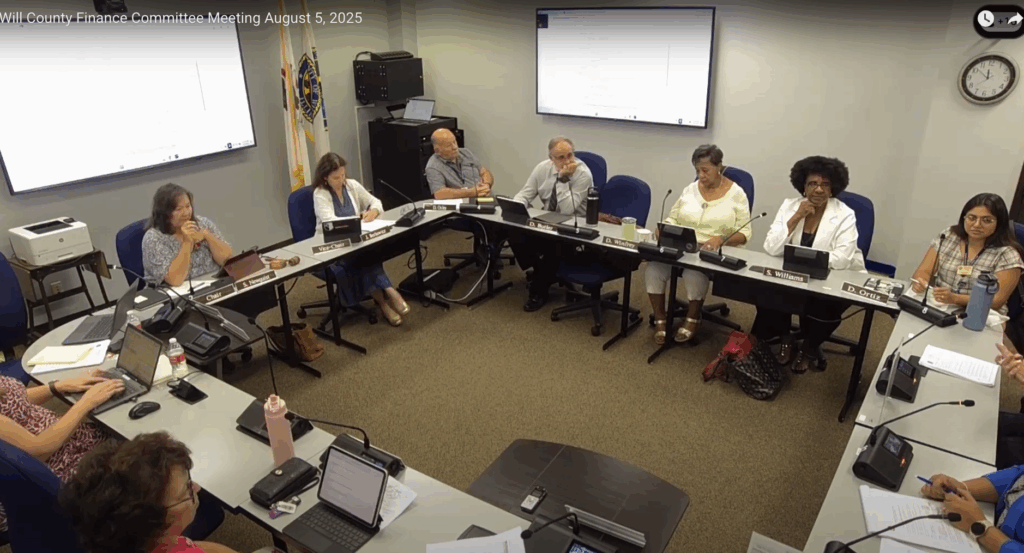
Improved Vendor Service Creates $1.2 Million Shortfall in Sheriff’s Medical Budget