Supreme Court agrees to hear prisoner release case
The U.S. Supreme Court agreed on Monday to hear a case over whether a federal prisoner can petition to expedite a prison sentence under federal law.
The case, Maxwell v. Thomas, focuses on William Maxwell, a man who sought release from prison and the ability to transfer to a halfway house or home confinement. Maxwell is serving a 20-year sentence in a Texas prison for racketeering.
Maxwell petitioned the high court based on the First Step Act of 2018, a law that made several significant reforms to prison sentences. The law allowed prisoners to earn credits toward an early release by enrolling in behavioral programs.
Maxwell alleged he was denied credits toward his release that would have reduced his overall sentence. The prison denied Maxwell’s request, and he filed a habeas corpus petition to appeal the denial.
The lower court denied Maxwell’s petition, saying he did not exhaust all administrative remedies to shorten his sentence. Lawyers for the government argued that Maxwell did not proceed with the petition properly.
“The magistrate judge reviewed the record and determined that petitioner had not exhausted any claim under the First Step Act, including for time credits,” Solicitor General John Sauer wrote to the high court.
Maxwell’s lawyers said the government’s claim that he did not exhaust administrative remedies is unsubstantiated. The lawyers argued Maxwell interacted with prison staff during his appeal, which is considered an exhaustive means.
“His interactions with prison staff exhausted his administrative remedies as to his First Step Act claim,” lawyers for Maxwell wrote.
The court’s decision to hear this case follows several First Step Act challenges it has decided recently. Last week, the high court ruled against two prisoners who sought compassionate release under the First Step Act due to sentence stacking.
“When Congress declines to make a sentencing amendment retroactive, the fact that a preamendment sentence is longer than it would have been postamendment is not an ‘extraordinary and compelling reaso[n]’ that ‘warrant[s]’ a sentence reduction,” Justice Amy Coney Barrett wrote in the court’s majority opinion.
Justices on the high court will likely hear Maxwell’s challenge to the time credits provision in the First Step Act in the fall.






Sunny
Latest News Stories

Do No Harm expects FTC to take action to protect minors from transgender procedures

2024 was deadliest year for journalists on record

Govt shutdown raises concerns over national security

Ex-speaker Madigan to begin 7.5-year prison sentence Monday
Will County’s Gas-to-Energy Plant Reports Nearly $460,000 Net Loss Amid Operational Setbacks

Will County to Draft First-Ever Policy on Artificial Intelligence Use
Will County Sees 50% Drop in Opioid Deaths, But Alarming Rise in Suicides
Will County Board Backs Effort to Rename ‘Stigmatizing’ Chicago Sanitary and Ship Canal
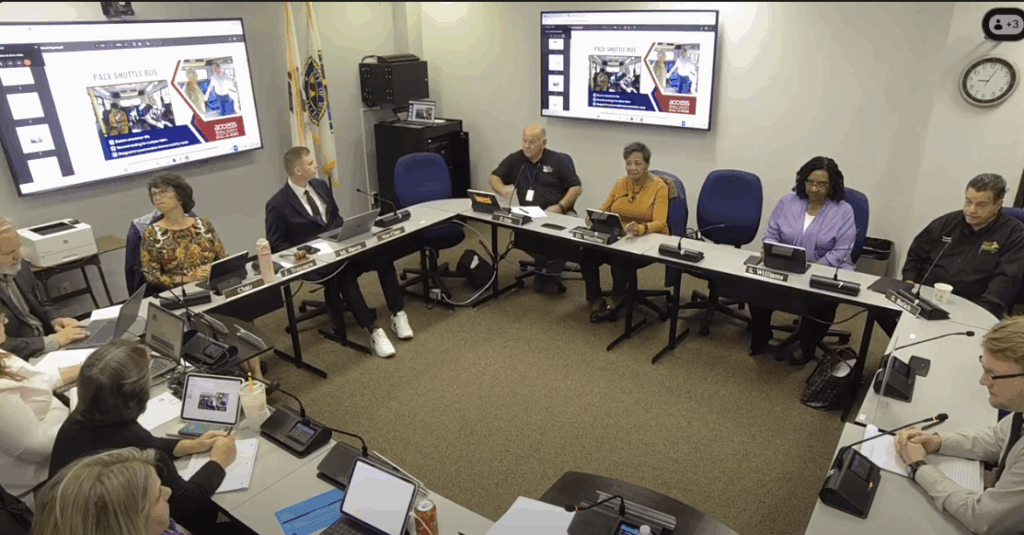
Access Will County Dial-a-Ride on Track for Full County-Wide Service in 2026

Trump says new 100% tariff on China as trade war escalates

Arizona congressman calls for end to government shutdown

WATCH: Pritzker continues encouraging ICE protests after Guard blocked