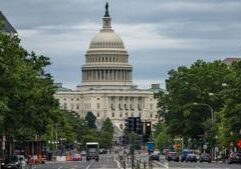
Debt confidence hits two-year low amid affordability concerns
Americans’ confidence in the nation’s finances fell to a two-year low in May as the national debt again surpassed the size of the U.S. economy, according to a new survey.
The Peter G. Peterson Foundation’s Fiscal Confidence Index fell to 36 in May – the lowest reading in two years and the fifth consecutive monthly decline – according to a survey jointly conducted by Democratic and Republican polling firms.
Ninety-three percent of voters said the national debt is driving up their cost of living, a connection some economists say has become more visible in recent years as pandemic-era borrowing contributed to higher inflation and rising interest rates.
“The connection between the rising federal debt and affordability challenges is quite evident in recent years, as debt skyrocketed during the pandemic leading to a surge in inflation and a subsequent increase in interest rates,” Will McBride, chief economist at the Tax Foundation, told The Center Square.
Nearly nine in 10 voters – 87% – said a candidate’s plan to address the national debt will factor into their support in the 2026 election, up from 83% last month, according to the survey.
“The national debt has surpassed the size of our entire economy – and voters understand that our continued borrowing affects their personal economic situation,” said Michael A. Peterson, CEO of the Peterson Foundation.
McBride said there is no clear deadline forcing Congress to act, but rather a gradual erosion of confidence that lawmakers will address the nation’s fiscal challenges in a sustainable way – pressure that can contribute to higher borrowing costs and inflation concerns.
He identified the projected 2032 insolvency of the Social Security trust funds as one possible forcing event, similar to the bipartisan Greenspan Commission that helped shore up Social Security finances in 1983.
Federal debt held by the public surpassed 100% of gross domestic product in March – a threshold last crossed during World War II. Meanwhile, the federal government is projected to post a $2 trillion deficit in fiscal year 2026, up from $1.7 trillion last year, according to the Office of Management and Budget.
The Government Accountability Office, the nonpartisan research arm of Congress, warned in April that the nation’s fiscal path is “unsustainable” and poses “serious economic, security, and social challenges if not addressed.”
A bipartisan resolution pending in Congress, House Resolution 981, would set a fiscal target of reducing the federal deficit to 3% of GDP or less by 2030. The federal government has not recorded a budget surplus since 2001.
Treasury Secretary Scott Bessent, briefing reporters Wednesday, said the administration has reduced the deficit from 6.7% to about 5.5% of GDP and expects to continue improving, pointing to fraud elimination as a key tool. The GAO estimates the federal government loses between $233 billion and $521 billion annually to fraud – a fraction of the $2 trillion deficit projected for fiscal year 2026.
Seventy-five percent of voters said they would consider supporting a candidate from a political party they do not usually back if that candidate had a clear plan to address the national debt, including 82% of independents.





Sunny
Latest News Stories

WATCH: Energy bill opponents say increases IL electric bills by $8 billion passes
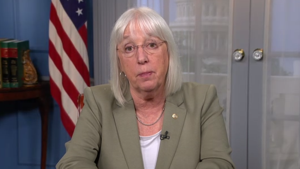
WA Dems blame GOP for government shutdown; 1 million in state could lose SNAP benefits

Officials react to allegations of civilians impersonating ICE

Illinois quick hits: IL taxpayers have highest pension debt obligations in U.S.

WATCH: Bonta visits food bank amid lawsuit over CalFresh

IL taxpayers to pay $20M for food banks as SNAP funding lapses start Saturday

Poll: 7 in 10 of Americans are against mail-order abortion without a doctor visit
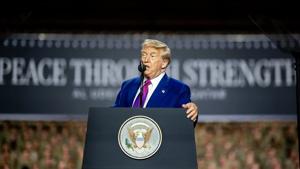
Trump’s plan to re-start nuclear weapons testing faces criticism

Illinois quick hits: Corrections director appointment approved; Clean Slate Act passes

Tyler Robinson’s in-person hearing delayed to January
WATCH: GOP may have to rewrite govt funding bill as shutdown hits 1 month mark
WATCH: Clean Slate Act passes Illinois legislature despite opposition