Everyday Economics: Housing sets the stage, but the Fed, PCE are the main event
This week begins with housing, but the real macro story comes later: the Federal Reserve chair’s press conference and the Personal Consumption Expenditures inflation report.
The Case-Shiller home price index will likely confirm what Zillow’s data already showed: home-price growth has cooled. Because Case-Shiller is lagged by almost two months, it should mostly validate a slowdown that appeared earlier in Zillow’s more timely home value and market data. National home values are now mostly unchanged from a year ago, and Zillow expects prices to remain broadly flat by year-end as stronger inventory growth relative to sales weighs on appreciation. The exception remains supply-constrained markets. Milwaukee, Hartford, Buffalo, Cleveland, Chicago and New York have seen some of the strongest price growth over the past year.
The new construction report should tell a similar story from the builder side. Single-family permits and starts are expected to remain under pressure as builders face more competition from resale inventory returning to the market. Builders are still focused on sales, incentives and managing supply rather than accelerating new production. The good news is that demand has remained resilient despite wavering real wage growth, a softer labor market, higher gas prices and mortgage rates that have ticked higher.
The spring home shopping season is still underway, roughly matching last year’s activity levels.
But housing is the setup. The main event is the Fed.
The policy rate is expected to remain unchanged, so investors will focus on the tone of the Fed chair’s press conference. Does he sound more concerned about inflation, or more concerned about the economy? Inflation has moved higher, though not as much as feared, while the labor market no longer looks like it is deteriorating. It looks stable, but at a lower level of activity.
That should make the Fed a bit less worried about both sides of its mandate. Inflation has moved higher by less than expected, supporting the view that the recent shocks are acting more like a tax on activity than a source of broad overheating. That gives the Fed room to look through the current supply-side shock rather than tighten in response to it. At the same time, the labor market appears stable and no longer worsening, which means no Fed rescue is needed either.
Together, that supports the case for keeping the fed funds rate unchanged for now.
This week’s PCE report will help determine whether that balancing act becomes easier – or harder.






Partly Sunny
Latest News Stories

Johnson defends Trump ballroom as ‘a donation to the country’

Vance cuts $1.3 billion in California Medicaid, pauses hospice care

Groups urge House leaders to reject E15 expansion, calling it a hidden tax

Illinois Quick Hits: Home insurance regulations approved by Illinois Senate
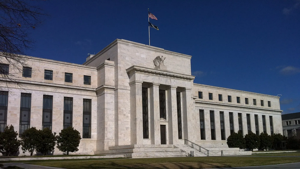
Senate confirms Warsh on narrow partisan lines

Illinois Senate passes bill to regulate auto insurance rates
Exclusive: GOP defends report, points to Walz administration failures on fraud

Op-Ed: The FAA’s O’Hare decision is a win for travelers – and for competition

Bill to prevent fraud on elderly, disabled opposed by financial institutions

Legislative Committee Advances Resolution Opposing Kidney Disease Treatment Delegation Act

Cooper gets $31.4M share of $111.2M spend

Appeals court freezes tariff ruling, businesses keep paying