Tusler: Wisconsin tribes agreed to microbetting ban, self-exclusion practices
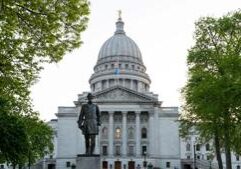
(The Center Square) – Wisconsin’s tribes agreed to a ban on micro betting on small events such as the result of an individual pitch in a baseball game along with several responsible gaming concessions in order to get the votes necessary to pass the state’s new sports wagering bill, according to Rep. Ron Tusler, R-Harrison.
Tusler said on Thursday that the tribes first declined the requests but ultimately agreed with a group of Wisconsin legislators to ban the use of credit cards, use an age verification system, allow self-exclusion and allowing users to put a cap on daily deposits.
“I shared these concerns with many of my Republican colleagues, who expressed similar hesitation,” Tusler said. “For that reason, I opposed the bill throughout most of the legislative process. However, I realize that unregulated sports gambling is already occurring in Wisconsin, unchecked, on sites like FanDuel and DraftKings. Further, there has been no effort to enforce our laws on these sites.”
Wisconsin Gov. Tony Evers signed the sports wagering bill into law April 9 and is negotiating compacts with Wisconsin’s 11 tribes to send revenue from gaming from the tribes to the state. Those compacts must be approved by the federal government.
“Although not perfect, these limitations are better than unregulated and unchecked betting in this state,” Tusler said. “I will be watching closely as the tribes amend the sports gambling compact to include these provisions and work vigorously to provide more resources to help problem gamblers. Our goal should be to reduce the amount of people gambling, and I will work with both Republicans and Democrats to achieve this.”
The law changed the state’s definition of “bet” to allow the state’s tribes to offer mobile sports wagering if the bettor is in Wisconsin and the sportsbook servers are on tribal land, an amendment to current compacts allowing for casino gambling and sports wagering on tribal lands despite the state’s ban on betting.
The law allows for a similar sports wagering model as Florida, where the state’s sportsbook operators have servers on federally recognized tribal lands while users can be in the state of Wisconsin.
“I have long been against sports betting in Wisconsin,” Tusler said. “In 2018, the Supreme Court struck down the Professional and Amateur Sports Protection Act (PASPA), which made sports betting illegal in the United States. Since then, I have had the unfortunate opportunity to see the effects of unchecked, legalized sports betting across the country.
“From what I have seen, unregulated, legalized sports betting has caused more harm than good in these states.”





Sunny
Latest News Stories
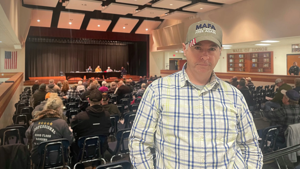
EXCLUSIVE: Inside one Michigan town’s fight against solar expansion
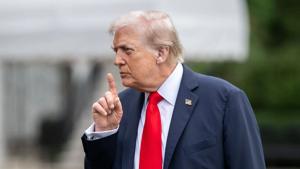
Trump demands unconditional surrender from Iran, mentions regime change
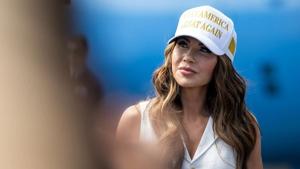
Illinois pols react to Homeland Security secretary’s exit, reassignment
Illinois quick hits: Appeals court vacates use of force injunction; Charges filed for possession of sex abuse materials; Gas prices keep rising

U.S. cut 92,000 jobs in ‘dismal’ February report, unemployment 4.4%
Board Splits Along Party Lines to Approve 2026 Federal Legislative Agenda
Turmoil in Texas: Concerns for Paxton to drop out, Gonzales drops reelection bid
HHS and DOC announce nutrition education initiative for medical schools
Target sued for checking arrest records of new hires: Class action

Farm bill, with changes, heads to U.S. House for vote

Agency improves license processing times; PA leader calls for modernization
These are the members of Congress who voted against disclosing sexual harassment claims