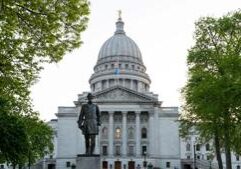
Tusler: Wisconsin tribes agreed to microbetting ban, self-exclusion practices
(The Center Square) – Wisconsin’s tribes agreed to a ban on micro betting on small events such as the result of an individual pitch in a baseball game along with several responsible gaming concessions in order to get the votes necessary to pass the state’s new sports wagering bill, according to Rep. Ron Tusler, R-Harrison.
Tusler said on Thursday that the tribes first declined the requests but ultimately agreed with a group of Wisconsin legislators to ban the use of credit cards, use an age verification system, allow self-exclusion and allowing users to put a cap on daily deposits.
“I shared these concerns with many of my Republican colleagues, who expressed similar hesitation,” Tusler said. “For that reason, I opposed the bill throughout most of the legislative process. However, I realize that unregulated sports gambling is already occurring in Wisconsin, unchecked, on sites like FanDuel and DraftKings. Further, there has been no effort to enforce our laws on these sites.”
Wisconsin Gov. Tony Evers signed the sports wagering bill into law April 9 and is negotiating compacts with Wisconsin’s 11 tribes to send revenue from gaming from the tribes to the state. Those compacts must be approved by the federal government.
“Although not perfect, these limitations are better than unregulated and unchecked betting in this state,” Tusler said. “I will be watching closely as the tribes amend the sports gambling compact to include these provisions and work vigorously to provide more resources to help problem gamblers. Our goal should be to reduce the amount of people gambling, and I will work with both Republicans and Democrats to achieve this.”
The law changed the state’s definition of “bet” to allow the state’s tribes to offer mobile sports wagering if the bettor is in Wisconsin and the sportsbook servers are on tribal land, an amendment to current compacts allowing for casino gambling and sports wagering on tribal lands despite the state’s ban on betting.
The law allows for a similar sports wagering model as Florida, where the state’s sportsbook operators have servers on federally recognized tribal lands while users can be in the state of Wisconsin.
“I have long been against sports betting in Wisconsin,” Tusler said. “In 2018, the Supreme Court struck down the Professional and Amateur Sports Protection Act (PASPA), which made sports betting illegal in the United States. Since then, I have had the unfortunate opportunity to see the effects of unchecked, legalized sports betting across the country.
“From what I have seen, unregulated, legalized sports betting has caused more harm than good in these states.”




Patchy Fog then Partly Sunny
Latest News Stories
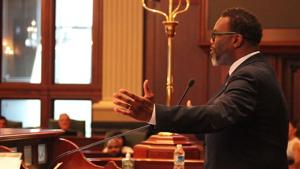
Chicago mayor to Trump: “Consider this a call”
Chicago aldermen latest calling for US attorney’s ouster over ‘Broadview Six’ case
Trump demands Republicans attach voter ID bill to $350 billion for Pentagon
Appeals court hears arguments in religious contraception case
Illinois Quick Hits: New round of EV charging funds announced

Arrests made during operation targeting India-based gangs

Seven more counties consider separation, creating new state
DHS: Minnesota pardon could ‘thwart’ deportation of criminal illegal

Democratic attorneys general oppose latest round of tariffs
Illinois Quick Hits: Indiana governor touts True Value move from Illinois

Dem leaders want transparency, unsure if ethics report will be released

Social Security Admin to fast-track Trump Account enrollment for eligible kids