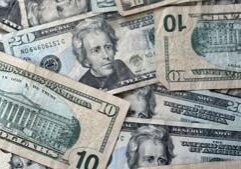
Advocates warn of looming debt crisis
Advocates warned on Thursday the U.S. economy is not growing fast enough to keep pace with the national debt.
Ryan Clancy, chief strategist at No Labels, said the debt to GDP ratio is the most important factor in determining overall concerns about the national debt. He said most Americans have not seen the effects of increasing debt issues because the U.S. has the country’s default reserve currency.
“The willingness of foreign countries and foreign investors to buy our debt has actually been something that has allowed us to spend beyond our means,” Clancy said. “Somebody was always there willing to buy our debt.”
However, Clancy said there are small shifts in global spending patterns that have indicated to him the U.S. economy is not as trusted as it once was. He said countries have appeared more willing to invest in precious metals compared to the U.S. dollar since the conflict with Iran broke out.
“If there’s so many dollars floating in circulation and being lent out, then maybe, over time, I don’t feel so good about having my savings or my investments in dollars,” Clancy said.
He also warned that many hedge funds are holding investments in the U.S. Treasury. Clancy said the hedge funds would likely be less willing to sell out of their debt compared to a foreign country.
“That, in and of itself, could accelerate the crisis,” Clancy said.
Clancy warned that interest rates appear to be rising in the next 10 to 20 years throughout the United States. He said charts appear to show investors losing confidence in U.S. currency and asking for more interest on their purchases.
“When you look at the share of our debt, the reduced holdings of our dollar and treasuries, you look at the run-up in precious metals, you look at the increase in yields on longer term debt, it’s something to be concerned about,” Clancy said.
He pointed to Greece as an example of how a fiscal crisis could impact a country. When Greece’s economy collapsed, the country had to raise the retirement age, decrease pensions by 15%, increase sales and corporate taxes.
“In the wake of that Greek crisis, per capita income shrank 26%, unemployment hit 28%,” Clancy said. “That is Great Depression level economic damage.”
Clancy warned that an economic crisis in the U.S. could significantly raise taxes on Americans overnight. He said some of the tools the government used to recover from the 2008 financial crisis might not be able to help in the event of another economic collapse.
He said the U.S. would have to cut federal programs and raise taxes if it reached the debt crisis of which he is concerned.
“The thing you need to do to avert the crisis is signal to the people buying US bonds that we are getting our act together,” Clancy said. “What that entails is doing things everybody’s going to hate: cutting spending on programs people care about, raising taxes that people don’t want to be raised.”




Partly Sunny
Latest News Stories

Teens charged after FBI says plot targeting Houston synagogue, school foiled

Regeneron joins pharmaceutical companies offering most-favored-nation pricing

AI polling: Americans aren’t as divided on declaration of American ideals
Tusler: Wisconsin tribes agreed to microbetting ban, self-exclusion practices

QatarEnergy exports first LNG from $10 billion Texas plant

Bears want more after Illinois House passes megaproject tax incentive bill

DHS wants millions more from taxpayers after federal SNAP changes

Minnesota updates lawsuit, cites $840M toll from Operation Metro Surge

Experts: Arizona law bars local policies restricting ICE
Illinois Millionaires Tax doesn’t get support
Pritzker bans insider trading by state employees, faces hypocrisy claims
House to take up GOP budget resolution next week