Vote postponed on Southwest congressmen’s wildfire bill
The Center Square) – Members of Congress debated a bill on Tuesday that would change how the federal government handles air quality monitoring influenced by wildfire mitigation.
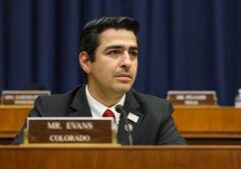
House Resolution 6387, known as the FIRE Act, is sponsored by U.S. Reps. Gabe Evans, R-Colorado, and Adam Gray, D-California. The legislation would revise regulations under the Clean Air Act “governing the review and handling of air quality monitoring data influenced by exceptional events or actions to mitigate wildfire risk.”
The House’s vote on the bill was postponed to Wednesday following Tuesday’s discussion on the floor.
Rep. Gary Palmer, R-Ala., said the bill would mean states wouldn’t be penalized for wildfire mitigation efforts such as prescribed or controlled burns.
“States currently limit these practices for fear of falling out of attainment with national air quality standards,” he said on the floor. “Unlike wildfires, prescribed burns do not automatically qualify as an exceptional event under the current provisions of the Clean Air Act.”
According to Palmer, only one prescribed burn has qualified as an exceptional event in the last decade.
Despite the bipartisan support for H.R. 6387, several Democrats spoke against it.
Rep. Frank Pallone, D-N.J., called the FIRE Act “yet another dishonest attempt, in my opinion, by Republicans to weaken the Clean Air Act, which would make Americans sicker while health care costs skyrocket.”
“Republicans are peddling this dangerous bill as an attempt to promote prescribed burns and combat wildfires,” he said. “But as has been true, like for the other dirty bills that we’ve considered over the last week or so, this bill fails to address the stated goal and instead provides overly broad exemptions that will harm American families and children.”
Rep. Maxine Dexter, D-Ore., cited public health concerns for her opposition.
“The FIRE Act undermines a centerpiece of the Clean Air Act: the National Ambient Air Quality Standards program,” she said. “Right now, there are narrow exceptions to the rules that set limits on how polluted our air can be. Republicans want to blow those exceptions wide open.”
Evans, the bill’s primary sponsor, said states like his home of Colorado should not be penalized for smoke and emissions that are outside of their control.
The bill removes those penalties “while still maintaining strong environmental protections and incentivizing good forest management practices to prevent wildfires,” he said on the House floor.
“The Front Range of Colorado has consistently struggled to meet ozone attainment levels set by the federal Clean Air Act, despite the fact that data and science show that more that 70% of emissions originate from sources outside of Colorado,” Evans said.

Mostly Sunny
Latest News Stories
Land Use Committee Advances Mokena Scrap Yard and Homer Glen Landscape Business Over Local Objections
District 210 Reports Insurance Deficit Amid National Healthcare Cost Spikes; Finances Remain Stable
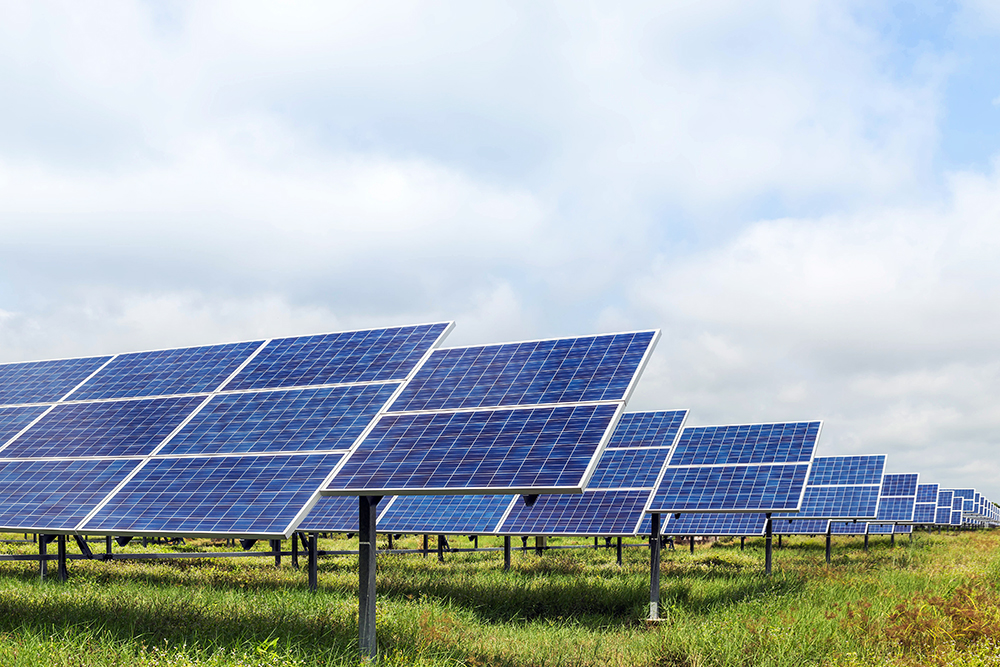
Planning Commission Backs 5-MW Peotone Solar Farm; Developer Pledges Pollinator Habitat and Community Funds

Joliet Junior College Board Approves $2 Tuition Increase Amidst Heated Debate Over Enrollment and Spending
Lincoln-Way Board Ratifies Three-Year Support Staff Contract with Significant Hourly Raises
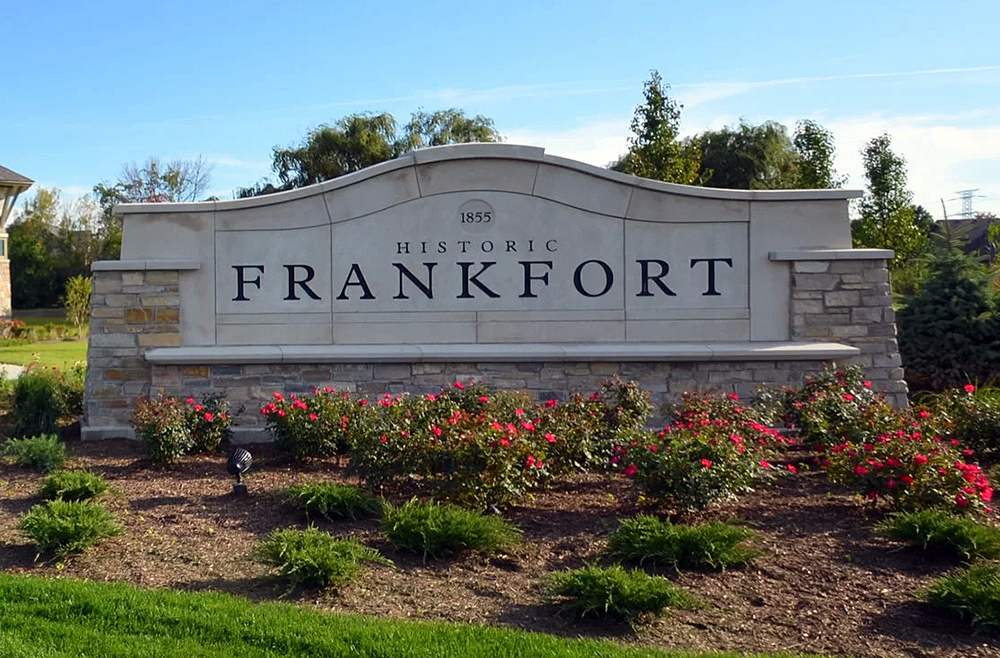
Frankfort Seeks Public Vision for Downtown Urban Design
Green Garden Residents Seek Frankfort’s Support in Opposing 6,000-Acre Solar Farm
State of the College: Local Legislators Bolster Student Support Services
Meeting Summary and Briefs: Public Health & Safety Committee for February 5, 2026
State of the College: Dual Credit Program Enrollment Hits 6,000 Students
Meeting Summary and Briefs: Finance Committee for February 3, 2026

Fairmont Neighborhood Plan Update Prioritizes Infrastructure and Beautification Following Demographic Shift