U.S. Supreme Court declines to hear Cuomo COVID-19 lawsuit
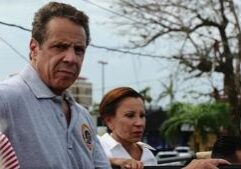
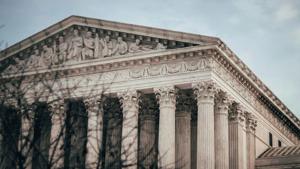
The U.S. Supreme Court has declined to hear a lawsuit against former New York Gov. Andrew Cuomo, claiming he was responsible for nursing home deaths during the COVID-19 pandemic.
The high court announced Monday that it won’t be taking up a legal challenge filed by families who lost loved ones to COVID-19 in nursing homes during the pandemic. The lawsuit was filed by a Brooklyn man who claimed that policies put in place by Cuomo and the Greater New York Hospital Association caused the death of his father and thousands of other elderly residents.
The justices didn’t reveal their rationale for declining to take up the case, as tradition dictates. It upholds a lower court ruling that dismissed the case and granted Cuomo qualified immunity from prosecution over the nursing home deaths.
Cuomo spokesman Rich Azzopardi praised the ruling, saying it vindicated claims the then-governor didn’t mismanage the state’s COVID-19 response and that critics had targeted him for political reasons.
“For six long years, families have had to deal with unimaginable losses of loved ones from COVID and it doesn’t get easier, especially when that pain was manipulated and politicized,” Azzopardi said in a statement. “Every investigation and every court to examine these claims has reached the same conclusion: there was no wrongdoing by Governor Cuomo or his administration. The facts are settled and the highest court has spoken.”
Last year, a federal judge rejected the lawsuit after determining that the plaintiffs didn’t have standing to sue the former governor. In the ruling, U.S. District Court Judge Katherine Failla said she has the “deepest sympathy” for the plaintiffs and their families for COVID-19-related deaths, but said, “the fact remains that their proffered claims are not legally viable.”
Cuomo has faced myriad legal challenges over a March 25, 2020, directive requiring nursing homes to begin accepting “medically stable” patients recovering from COVID-19 as they were discharged from hospitals.
The order was rescinded after several weeks, but Cuomo was widely criticized for contributing to the high death toll in the state’s long-term care facilities.
More than 80,000 New Yorkers died of COVID-19 from the beginning of the pandemic to May 2023, including 15,000 nursing home residents, according to the U.S. Centers for Disease Control and Prevention.
The U.S. Justice Department investigated whether Cuomo’s policy violated residents’ civil rights in New York’s nursing homes and found no wrongdoing. The Manhattan District Attorney’s office also conducted a probe, which was later abandoned. Both investigations found that New York’s directive was in line with federal health policies in place at the time.
An independent report slammed Cuomo’s “top down” response to the COVID-19 pandemic in New York, saying it caused “unnecessary confusion” for New Yorkers in the early days of the public health emergency.
In September, House Republicans grilled Cuomo over the policy, saying it ignored the science on infection control in nursing home settings and federal Centers for Medicaid and Medicare guidance that conflicted with his directive.
But Cuomo pointed the blame for the high number of COVID-19 deaths nationwide on then-President Trump, whom he claimed “willfully deceived the American people” during the pandemic.



Slight Chance Drizzle
Latest News Stories

More pros than cons: ALEC panel discussion focuses on positives of data centers

Trump hits 60 nations with forced-labor tariffs
Illinois news in brief: Year-over-year unemployment rates rise; Judge gives Rockford woman six months for stealing from booster club; Chicago Fed’s National Activity index rises
Voters say economy rigged for wealthy as Trump earns low marks
Parents challenge special ed regulation for private schools, seek SCOTUS review

Trump: Data center boom will lower Americans’ energy costs
Election 2026: Third day of filing for Graham’s seat remains quiet
White House has extra asks for stalled federal highway bill

Carolina, Virginia Tech chosen for fellowship program by War Department
Future regional power supply down, but not out
Exclusive: USDA distributing loans to Oregon, Nevada sawmills to expand timber production
Lawsuit claims digital asset tax is unconstitutional