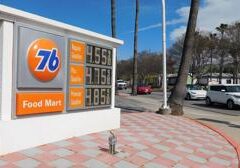
International Energy Agency leader says energy crisis worst in history
The conflict between Iran and the United States and Israel is creating the worst energy crisis ever faced by the world, the head of the International Energy Agency said on Tuesday.”This is indeed the biggest crisis in history,” Birol told France Inter radio.The military conflict has effectively halted ship traffic through the Strait of Hormuz, the transit route of 20% of global oil and liquified natural gas supplies in 2025.Birol said Iran’s attacks on nations around the Persian Gulf have damaged 84 facilities and resulted in the suspension of 13 million barrels of crude production each day. Restoring production to levels before the Feb. 28 military strikes could take more than two years, the IEA chief said.This follows years of energy instability caused by Russia’s invasion of Ukraine, a conflict beginning in 2022 that effectively cut Russian pipeline gas to Europe by 90%.”The crisis is already huge, if you combine the effects of the petrol crisis and the gas crisis with Russia,” said Birol.The IEA chief noted earlier this month that the current market turmoil is more severe than the global energy crises of 1973, 1979 and 2022 combined.In March, the IEA announced it would coordinate the release of a record 400 million barrels of oil from the strategic stockpiles held by 32 member nations to curtail price increases caused by the war in the Middle East. As part of this release, the United States agreed to contribute 172 million barrels from the nation’s stockpiles.The combined release will add almost 4.4 million barrels of oil daily to global markets over a 90-day period, partially offsetting the loss of 13 million to 15 million barrels of production knocked offline in Qatar, Saudi Arabia, Oman, Kuwait, Bahrain, the United Arab Emirates and Iraq.Birol said sustained high prices will spark inflation across a range of vital goods, including fertilizers, sulfur, helium and diesel fuel. This could eventually trigger a debt spiral for countries heavily dependent on energy imports, he warned.The IEA, International Monetary Fund, and World Bank formed a joint emergency coordination group in March to manage volatility and uncertainty in global food and manufacturing supply chains. In an effort to create shipping routes that bypass the vulnerable Strait of Hormuz, Birol has proposed the development of alternative land-based trade corridors such as a new pipeline linking Basra, Iraq, to the Mediterranean port of Ceyhan, Turkey.Speaking at an Atlantic Council meeting last week, Birol said that just as the 1970s oil shocks forced a reduction in oil dependency, the current crisis will likely lead to “similar reactions from governments” to accelerate nuclear power and renewable energy.





Chance Showers And Thunderstorms
Latest News Stories

Beecher-Area Rezoning and Variances Approved to Legalize Structure

Committee Approves Wilton Township Land Division Despite Spot Zoning Concerns
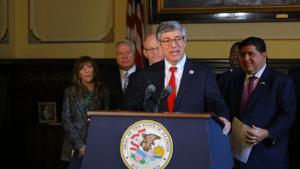
Illinois, Chicago residents rank high taxes as state’s top issue

Illinois quick hits: Illinois House members vote along party lines; More than 40% of CPS teachers missed 10 or more school days; State Treasurer says Bright Start earns gold

Meeting Summary and Briefs: Will County Capital Improvements & IT Committee for November 4, 2025

Glock: Judge’s OK of Chicago’s anti-gun lawsuit questionable, at best

Illinois quick hits: DHS responds to migrant release order
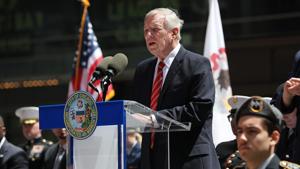
Pritzker disagrees with Durbin on vote to end shutdown

Pritzker open to conversation with Trump on alderman’s immigration proposal

Expert: Illinois’ outdated tax law leaves homeowners, taxpayers on the hook

Illinois quick hits: Midway Blitz nabs nine drunk drivers; Madigan prosecutor to depart

Meeting Summary and Briefs: Frankfort School District 157-C for September 2025