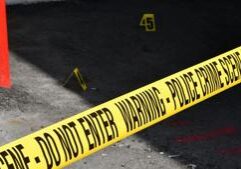
Illinois proposal aims to improve detection of potentially staged deaths
(The Center Square) – State Sen. Craig Wilcox, R-Woodstock, says too many deaths initially ruled as suicides may actually be homicides, and he is pushing legislation to change how those cases are handled across Illinois.
Wilcox’s proposal, Senate Bill 1781, would require additional training for law enforcement and stricter scrutiny of deaths when there is a known history of domestic violence.
The measure is currently assigned to the Senate Criminal Law Committee.
Wilcox said the idea for the bill was sparked by investigative reporting and a documentary highlighting cases where deaths may have been misclassified.
“I became convinced that, unfortunately, we probably in America do have a significant number of deaths that are ruled suicides that should have, at a minimum, been treated as a suspicious death,” Wilcox said.
The legislation would require officers to undergo brief training designed to help them recognize potential warning signs that a suicide scene could be staged. Wilcox said similar training already exists and, in some cases, can be completed in about 10 minutes.
The focus is on identifying specific indicators — such as inconsistencies in how a death occurred — that could prompt a closer look at a scene.
“It’s not asking you to open a full investigation,” Wilcox said. “It’s just saying, look at the scene a little differently.”
Wilcox pointed to a 1990s case in suburban Illinois as an example of why the legislation is needed. In that case, a death initially ruled a suicide raised forensic questions that were later revisited.
He said such cases highlight how certain types of deaths — particularly strangulation — may be difficult to carry out without clear physical evidence, something the proposed training would emphasize.
“In a suicide hanging, if there’s an unfurled extension cord with no locking mechanism, that should be a sign that self-strangulation is likely not possible.”
The proposal has drawn some concern from law enforcement groups over what critics describe as an unfunded mandate. While the training itself already exists, departments would still need to dedicate time and resources to ensure officers complete it.
Wilcox acknowledged those concerns but said the burden would be minimal given the short length of the training. An amendment to the bill narrows requirements for the Illinois State Police to focus on homicide detectives rather than all officers, addressing some opposition.
Local police departments and county sheriffs, however, would still be responsible for implementing the training within their agencies.
“Those who get away with homicide often become the most dangerous when they are eventually confronted,” Wilcox said. “We’d rather have those cases looked at more closely from the start.”





Slight Chance Showers And Thunderstorms
Latest News Stories

Report: $12B spent on assisted living Medicare, Medicaid

Illinois Quick Hits: Aqua seeks water rate hike

Pritzker signs AI regulation critics say harms innovation, ‘picks winners’

Microsoft cuts over 600 Washington jobs, 4,800 globally amid corporate restructuring

Report: Modernization of central bank intertwined with regulations, security
500-plus fugitives arrested across two states

WalletHub study examines the financial independence of US states
Michigan’s Democrat primary in U.S. Senate race narrows

DOJ, states could secure 53 million eggs in price manipulation settlement

WATCH: State fails to investigate daycares with no children despite media reports

Illinois Quick Hits: Woman sentenced for voting twice
Embattled state lawmaker resigns after investigation into ‘unethical’ behavior
Everyday Economics: What jobs data actually show and why Fed is changing how it talks