Supreme Court declines to hear challenge to Illinois public transport gun ban
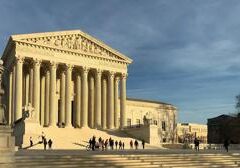
The U.S. Supreme Court on Monday declined to decide whether individuals can carry firearms on public transportation.
The court declined to take up Schoenthal v. Raoul, which challenges an Illinois law banning citizens from carrying firearms on public transportation. Three Illinois residents challenged the ban, arguing it violates the Second and Fourteenth Amendment rights.
“There is no historical tradition of banning law-abiding citizens from possessing firearms in crowded public locations where they may be more vulnerable,” lawyers wrote in a petition to the court.
Illinois requires gun owners to acquire a Firearm Owner’s Identification Card and a concealed carry license in order to carry a firearm in public. However, the state bans individuals from carrying a loaded or unsecured firearm onto buses, trains or any other type of public transportation that is paid for in part or whole by public funds.
Kwame Raoul, Illinois’ attorney general, argued the prohibition on guns in public transportation is consistent with the nation’s historical tradition limiting firearms in sensitive places, like court rooms, schools and polling places.
“Like historical sensitive places, public transit features ‘confined areas with a high density of people,’ making firearms ‘exceptionally dangerous,’” Raoul wrote.





Rain Showers
Latest News Stories

Lawmaker criticizes surplus spending bill

Salvation Army rehab ‘enrollees’ who work at thrift stores aren’t ‘employees’

Student suspended for pro-ICE flyer while NEA spends $1.7M to help anti-ICE protests

Evers vetoes bills to exempt overtime, cash tips from income tax

Illinois housing affordability efforts pit tax cuts against new spending

Report: AAMC’s claims that patients are better treated by doctor of same race debunked
Coloradans react to ruling against ban on conversion therapy

Illinois Quick Hits: Chicago city workers owe more than $19M
JJC Board Prepares for 2028 Bond Expiration, Advances Grundy Campus Despite Objections

Attorney expects conversion therapy ruling to impact Illinois ban

White House govt funding request for 2027 cuts $73 billion
Dems sue over Trump’s executive order on mail-in ballots