Supreme Court declines to hear challenge to Illinois public transport gun ban
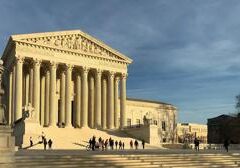
The U.S. Supreme Court on Monday declined to decide whether individuals can carry firearms on public transportation.
The court declined to take up Schoenthal v. Raoul, which challenges an Illinois law banning citizens from carrying firearms on public transportation. Three Illinois residents challenged the ban, arguing it violates the Second and Fourteenth Amendment rights.
“There is no historical tradition of banning law-abiding citizens from possessing firearms in crowded public locations where they may be more vulnerable,” lawyers wrote in a petition to the court.
Illinois requires gun owners to acquire a Firearm Owner’s Identification Card and a concealed carry license in order to carry a firearm in public. However, the state bans individuals from carrying a loaded or unsecured firearm onto buses, trains or any other type of public transportation that is paid for in part or whole by public funds.
Kwame Raoul, Illinois’ attorney general, argued the prohibition on guns in public transportation is consistent with the nation’s historical tradition limiting firearms in sensitive places, like court rooms, schools and polling places.
“Like historical sensitive places, public transit features ‘confined areas with a high density of people,’ making firearms ‘exceptionally dangerous,’” Raoul wrote.





Chance Showers And Thunderstorms then Partly Cloudy
Latest News Stories
Tusler: Wisconsin tribes agreed to microbetting ban, self-exclusion practices

QatarEnergy exports first LNG from $10 billion Texas plant

Bears want more after Illinois House passes megaproject tax incentive bill

DHS wants millions more from taxpayers after federal SNAP changes

Minnesota updates lawsuit, cites $840M toll from Operation Metro Surge

Experts: Arizona law bars local policies restricting ICE

Illinois Millionaires Tax doesn’t get support

Pritzker bans insider trading by state employees, faces hypocrisy claims
House to take up GOP budget resolution next week

Benson faces scrutiny over SPLC ties as group indicted

Trump moves medical marijuana to Schedule III in historic shift

Autism care providers, parents urge change in ownership mandate