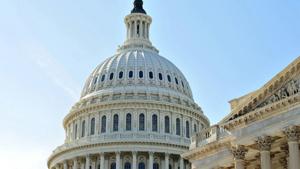
National debt over 4x greater than reported, accounting group says
The U.S. Treasury says the national debt is roughly $39 trillion, but a nonpartisan accounting group estimates that the true number is $170.3 trillion.
Unlike the Treasury’s calculations, Truth in Accounting included all of the federal government’s unfunded obligations in its debt assessment, including unfunded promises like Social Security and Medicare benefits.
As of Sept. 30, 2025, the U.S. government had only $6.1 trillion on hand to pay for $176.3 trillion worth of incurred and promised liabilities, Truth in Accounting reports.
Within that number, projected Social Security benefits for all Americans who have entered the workforce amount to $54 trillion, total Medicare benefits will cost $74.5 trillion, and military and civilian retirement benefits will be $15.5 trillion.
Truth in Accounting based its analysis on the most recent federal audit of the U.S. government, which does not include the net $170.3 trillion in national debt calculations because it believes the public promises of future benefits are non-binding.
“The government does not believe that it owes anybody any Social Security or Medicare benefits beyond next month, because they believe that they can pull them back at any point in time,” Truth in Accounting founder and CEO Sheila Weinberg told The Center Square.
Weinberg referenced comments made by Stephen Goss, former chief actuary of the Social Security Administration, to the House Budget Committee in 2024.
“[Goss] said in a public hearing that the amount of Social Security that is being taken out of your paycheck is a pure and simple tax, and it doesn’t mean you’re going to get any Social Security benefits or Medicare benefits,” Weinberg noted.
“So again, if you believe the $39 trillion [debt number], then you believe that your Social Security and Medicare contributions are just taxes and the government doesn’t owe you anything for those.”
To close that shortfall, the federal government would have to tax people an additional $170 trillion over the next 75 years in order to fund those benefits. Divided equally, that amounts to an extra $1.1 million per U.S. taxpayer.
In practice, that means either each U.S. taxpayer would have to permanently pay 25% more in federal taxes or federal spending must permanently drop by at least 20%, or some combination of both.
“What all these numbers represent is that the government has no idea where they’re going to get the money to pay these promises. They don’t have a plan,” Weinberg said. “They promised seniors $54 trillion of Social Security benefits, $74 trillion for Medicare, and they don’t have a plan on where they’re going to get that money; they don’t have a tax structure set up to pay it.”
She added that Congress also has a poor track record when it comes to expanding benefits without the means to fund them.
“It’s kind of like committing to an apartment, but the landlord’s not going to tell you the rent that you’re going to have,” Weinberg said. “And that’s what Congress does. They commit without even calculating how much they’re promising. And so then Social Security and Medicare expenditures just keep on going up and up.”
As of Oct. 2026, Social Security makes up about 22% of federal spending, while Medicare accounts for 15%.





Chance Showers And Thunderstorms
Latest News Stories

Trump teases ‘you’ll find out’ on U.S. response to Iranian drone attack

Military responds swiftly to devastating Venezuelan earthquakes

WATCH: Eight years later, quiet opt-out rules can’t stop millions saved in union dues

Accounting analyst: SEC should examine Illinois pension funding

Illinois Quick Hits: Chicago man arrested in connection with planned attack at White House

Costar shareholders re-elect directors, resist external pressure

Trump accuses Iran of violating ceasefire after drone attack on cargo ship
Legislature takes more measures against firms opposing redomiciling in Texas

Mistrial declared in federal Palisades Fire arson case

Attorney: Supreme Court leaves path for property owners
Ex-cops blast Chicago mayor’s new agency

Illinois Quick Hits: Chicago reports increased visitor spending