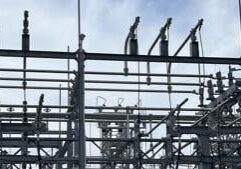
Energy affordability report ranks Illinois 31st, warns of ‘burdensome’ mandates
(The Center Square) – According to a new report on energy affordability, burdensome mandates are making Illinois more expensive.
The American Legislative Exchange Council’s Energy Affordability Report ranks Illinois 31st out of 50 states.
Lora Current, ALEC’s senior manager of the Energy, Environment & Agriculture Task Force, says Illinois has severe policies that will increase costs.
“We found that states who are just flat out more expensive in energy electricity, the common denominator is they have more burdensome mandates,” Current told The Center Square.
Current said Illinois gets 54% of its energy from nuclear generation, but the percentage may drop due to the state’s renewable portfolio standard of 100% by 2050.
“So that’s already going to put a cap on how much you can invest in nuclear energy. So those are just a couple of the things that Illinois really needs to be thinking about if you’re wanting to up your ranking and just lower the cost of electricity, of power, of energy in general for people in Illinois,” Current said.
The General Assembly passed legislation last fall to lift the state’s moratorium on large nuclear projects.
Current said state governments want to shut down coal and natural gas plants to meet renewable portfolio standards.
“We can look at clean energy such as wind or solar as a great energy source, but is it going to produce enough to cover, let’s say, a shut down coal plant? Is it going to produce enough to cover all of this 54% of nuclear that Illinois currently produces? And that’s where the math just doesn’t work,” Current said.
The ALEC report rankings are for the lowest average retail electricity prices in 2024.
Current said the report did not specifically address the impact of battery storage or data centers. She said the report also did not project numbers based on the U.S. conflict in Iran and a recent spike in fuel prices.
Current said lawmakers need to implement an Affordable Reliable Clean Security Act to consider energy source affordability.
“That really is the first step. If consumers can’t afford it, who cares how great it is? So is this an affordable solution? Is this then a reliable solution?” Current said.






Partly Sunny
Latest News Stories

More than $1 billion spent on noncitizen hospital costs in fiscal 2025

IL Senate GOP: Pritzker, not Trump, raised power bills

SC weighs whether Amazon must pay workers for mandatory COVID screenings
Federal judge allows New York wind project to proceed
Goodlander faces federal probe over ‘illegal orders’ video

Pennsylvania lawmakers criticize violent ICE encounters

Trump says ‘Great Healthcare Plan’ will save $36 billion

Trump threatens invoking Insurrection Act after Venezuelan national shot

Maine officials brace for ICE operations

WATCH: Tax increase talk at Statehouse; Bost’s election lawsuit against Illinois wins standing
Medical group ‘optimistic’ Supreme Court will affirm biological sex in sports

Despite promises, MN Dems kept some of their fraud-linked Somali donations