New Hampshire school district sued over transgender policies
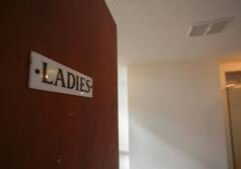
A New Hampshire school district is being investigated by the Trump administration over allegations that administrators are allowing biological men to use girls’ restrooms and locker rooms.
The U.S. Department of Education’s Office for Civil Rights said it has opened a complaint into the Contoocook Valley School District based on reports that district officials are allowing biological men to use girls’ restrooms and locker rooms.
The federal agency said the investigation will determine whether the district violated federal Title IX requirements by allowing students to access intimate facilities based on “gender identity,” not biological sex.
“Young women should never feel unsafe or uncomfortable in their intimate spaces because their school leaders care more about gender ideology than protecting girls’ dignity and privacy,” Assistant Secretary for Civil Rights Kimberly Richey said in a statement. “Placing the burden on girls to move out of their own intimate spaces when there is a male present is not just absurd, it also discriminates against girls.”
Federal authorities said the district is allegedly violating federal law by applying state law and district policy to allow boys in girls-only spaces, despite complaints from female students about the privacy and safety issues that their presence presents.
The agency said discrimination based on sex is also “notably absent” from Contoocook Valley High School’s non-discrimination policy, with pledges a learning environment that is “free from discrimination based on race, religion, disability, gender identity, or relationship preference.”
Last year, President Donald Trump signed the “No Men in Women’s Sports” executive order which barred federal funding for educational institutions that allow males to compete on women’s or girls’ sports teams. Trump has vowed to cut off funding to states that don’t comply with the directive. The Department of Justice has sued Maine and other states over their support for transgender policies.
To be sure, New Hampshire’s Republican-controlled state government has been largely supportive of the president’s efforts to crack down on transgender athletes playing in women’s sports.
Last year, Gov. Kelly Ayotte signed bills making New Hampshire the first state in the New England region to ban “gender-affirming” medical care for underaged children. The new law prohibits transgender minors from receiving puberty blockers, hormone therapy and another banning “gender-affirming chest surgery” for those under 18 to assist in their transition from one sex to another.
But Ayotte also vetoed a bill last year that would have allowed businesses and organizations to require people to use bathrooms, locker rooms, athletic events, and settings such as jails and mental health facilities based on their biological gender at birth. Ayotte’s predecessor, then-Gov. Chris Sununu, a Republican, vetoed a nearly identical version of the bill before he stepped down.
A 2025 poll by the University of New Hampshire found 71% of Granite Staters support policies aimed at keeping males who identify as women out of women’s sports. Only 21% oppose such policies, pollsters found.






Partly Sunny then Slight Chance Showers And Thunderstorms
Latest News Stories

Report: $12B spent on assisted living Medicare, Medicaid

Illinois Quick Hits: Aqua seeks water rate hike
Pritzker signs AI regulation critics say harms innovation, ‘picks winners’

Microsoft cuts over 600 Washington jobs, 4,800 globally amid corporate restructuring

Report: Modernization of central bank intertwined with regulations, security

500-plus fugitives arrested across two states

WalletHub study examines the financial independence of US states

Michigan’s Democrat primary in U.S. Senate race narrows

DOJ, states could secure 53 million eggs in price manipulation settlement

WATCH: State fails to investigate daycares with no children despite media reports

Illinois Quick Hits: Woman sentenced for voting twice
Embattled state lawmaker resigns after investigation into ‘unethical’ behavior
Everyday Economics: What jobs data actually show and why Fed is changing how it talks