Pritzker pushes back on Megaproject tax concerns
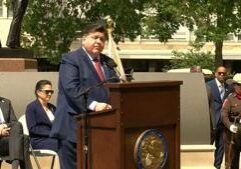
(The Center Square) – Illinois Gov. J.B. Pritzker pushed back on the idea that proposed legislation, dubbed the “Megaprojects Bill,” would cause a sharp increase in property taxes for residents Thursday.
The bill has received heightened attention in recent weeks, primarily due to tax incentives aimed at keeping the Chicago Bears in the state, though the scope of the bill is broader than a single stadium project.
Concerns surrounding an increase in property taxes for residents in tax districts that take in such projects arose after a committee hearing last month.
Pritzker pushed back on those concerns, stating that the bill isn’t intended to cause an increased burden on taxpayers, but rather to incentivize large developments.
“It is not intended to raise anybody’s property taxes. The idea is … you have a property anywhere in the state of Illinois that isn’t being used now, therefore we’re not seeing the property taxes coming from it that we should if you had development on a property,” Pritzker said.
Among tax incentives in the bill, property owners who develop megaprojects would pay a negotiated fixed tax rate, based on the value of the undeveloped property, rather than a rate that accounts for the value of development.
It would also allow construction materials used in the development of the property to be bought tax free, with both incentives lasting a maximum of 10 years.
Concerns stem from a discrepancy in the language of the bill, allowing municipalities to count the value of a megaproject toward its tax base, despite not receiving corresponding property tax payment to account for it.
In a Feb. 24 news conference, Illinois state Rep. Dan Ugaste, R-Geneva spoke on the tax implications. While not opposed to developers, such as the Bears, negotiating a deal with municipalities to pay a fair tax rate, he said negotiations should not increase taxes for residents.
“Can’t push anything off on anyone else. Can’t make them eat the other’s share, or increase their taxes for no reason whatsoever,” Ugaste said. “But if the bears want to go work out a deal and the local government officials are negotiating on behalf of their constituents there, and they cut a deal? Have at it.”
Along similar lines, Pritzker noted a goal of the bill is to grow the amount of tax brought in by municipalities in the long term.
“You want to make sure that you’re bringing development and that there is an end game for the local governments and schools and parks and libraries to be able to get the property taxes that would normally come from the development of a property that is as yet undeveloped,” Pritzker said.
Aside from the tax discrepancy, the bill also prohibits projects from including any residential construction in order to be eligible for the tax incentives, which could be at odds with both the Chicago Bears’ possible Arlington Heights stadium plans and the Governor’s ‘Building Up Illinois Developments’ plan within the proposed FY27 budget.
The bill was assigned to the House Tax Credit and Incentives Subcommittee late last month for further discussion, as negotiations surrounding the Chicago Bears’ next home continue.






Mostly Sunny then Slight Chance Showers And Thunderstorms
Latest News Stories
Frankfort Library Approves Funds for New Heaters, Tree Removal
Summit Hill 161 Welcomes Will County Sheriff’s Deputy as New School Resource Officer
Meeting Summary and Briefs: Frankfort Square Park District for August 21, 2025
Frankfort Fire Board Adopts FY 2026 Budget Amid Rising Insurance Costs
Meeting Summary and Briefs: Will County Board for September 18, 2025
Library Approves $14,700 for Reading Room Architectural Services
Meeting Summary and Briefs: Frankfort Township Board for August 11, 2025
Summit Hill 161 Board Approves $40 Million Budget for 2025-2026 School Year
Meeting Summary and Briefs: Lincoln-Way Community High School District 210 Board of Education for September 18, 2025
LWSRA Details Services for Residents with Disabilities, Plans ‘Hero Village’ Grand Opening
Meeting Summary and Briefs: Frankfort Park District for August 12, 2025
Frankfort Fire District Hires Two Firms for Over $70,000 to Lead Referendum Campaign