Lawmakers concerned over taxpayer burden of Iran conflict
As U.S. military operations in Iran continue with no end in sight, lawmakers are debating whether to authorize billions in taxpayer money for the Pentagon.
Though the Trump administration has not yet formally requested supplemental funding, it is expected to do so soon, and the number will likely be in the tens of billions of dollars.
The Department of Defense received over $900 billion in December through the National Defense Authorization Act.
While not all Democratic lawmakers have ruled out providing extra money, many are staunchly against supporting hostilities that Congress did not authorize.
House Budget Committee Ranking Member Brendan Boyle, D-Pa., has requested the Congressional Budget Office provide official estimates of how much a war in Iran could cost under different scenarios.
“The Constitution grants Congress both the power of the purse and the responsibility of declaring war,” Boyle wrote in a letter to CBO. “Congress should ensure we are spending taxpayer dollars to improve the quality of life for the American people, not paying for another endless war in the Middle East.”
Trump said the conflict – which the administration originally touted as a short-term operation – may last more than five weeks.
The DOD has neither confirmed nor denied whether it plans to deploy U.S. troops on the ground in Iran, with Defense Secretary Pete Hegseth telling reporters that the Pentagon will “go as far as we need to go to advance American interests.”
For American taxpayers, that could cost them tens of billions of dollars, according to some estimates.
While the Institute for Policy Studies estimates the U.S. is currently spending roughly $60 million per day on Iran operations, other organizations project much higher numbers. According to calculations by the Center for Strategic and International Studies, the conflict has already cost taxpayers up to $3.7 billion, or roughly $891 million per day.
The federal government racked up record-breaking deficits in fiscal year 2025 and is set to do so again at current spending levels under the second Trump administration.
From November 2025 to February 2026 alone, the U.S. added nearly $700 billion to the national debt, The Center Square reported.






Partly Sunny then Slight Chance Showers And Thunderstorms
Latest News Stories

WATCH: Illinois In Focus Daily | Tuesday Aug. 12th, 2025

About Us

Everyday Economics: CPI takes center stage as tariff-driven price pressures mount

Net negative migration is harmful to the economy, economists say

Details pending on billions in foreign investments coming from trade deals
Will County Health Department Seeks $1 Million to Avert ‘Drastic’ Service Cuts from Expiring Grants
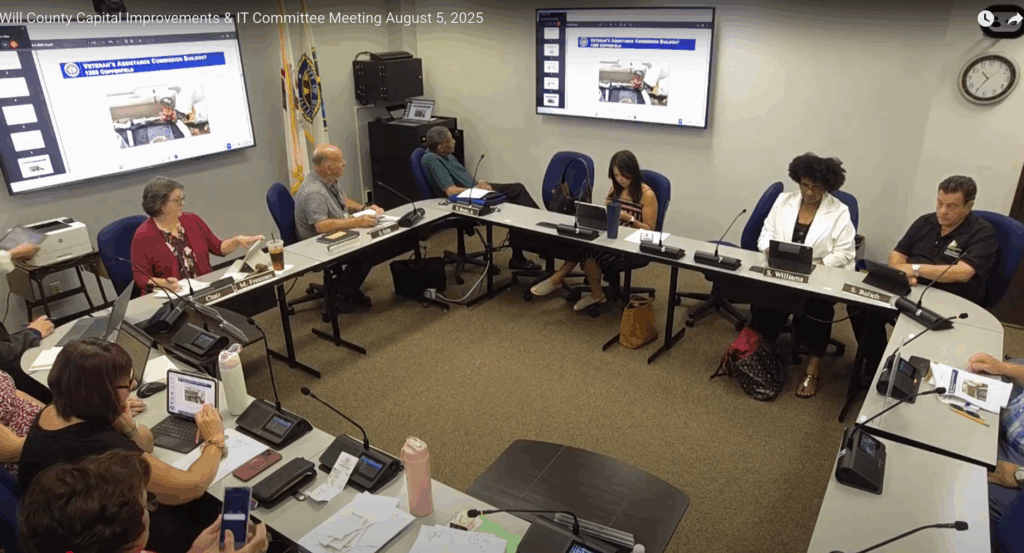
Will County’s “First-in-Nation” Veterans Center to House Workforce Services, Sparking Debate
Improved Vendor Service Creates $1.2 Million Shortfall in Sheriff’s Medical Budget
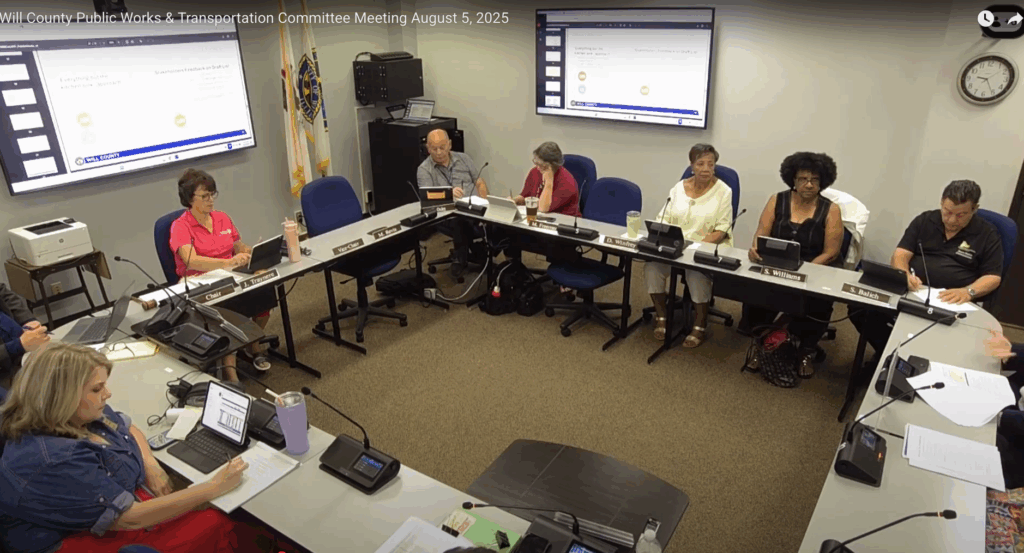
Will County Public Works Committee Unveils 25-Year Transportation Plan, Projects $258 Million Gap
Will County Animal Protection Services Seeks New Facility Amid “Gaping Wound” of Space Crisis
Board Confronts Animal Services Crowding, Explores Future Facility Options
Will County Board Members Demand Transparency in Cannabis Tax Fund Allocation
Homer Glenn Residents Push Back on 143rd Street Widening as Officials Signal “Tentative Agreement”