Illinois lawmakers push bipartisan energy choice package
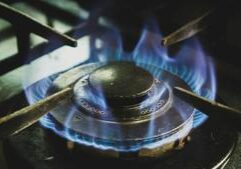
(The Center Square) – A bipartisan group of Illinois lawmakers have introduced energy legislation to protect consumers from costs associated with the state’s planned phaseout of natural gas.
Saying Illinois will not meet its 2035 electrification goals if the state eliminates energy options before they are replaced, the Clean Energy Choice Coalition advocated for a package of energy legislation at the Illinois Capitol this week.
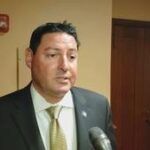
State Sen. Javier Cervantes, D-Chicago, said Senate Bill 3979 requires a thorough review of customer bill impacts before large-scale gas transition projects are approved and protects rate-payers from unfair cost increases and shifting.
‘Now what it doesn’t do, it does not stop electrification or clean energy innovation and it does not roll back environmental progress,” Cervantes said.
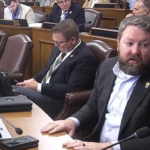
State Sen. Terri Bryant, R-Murphysboro, said Senate Bill 4028 would have the Illinois Commerce Commission address outdated interconnection rules that lead to lengthy timelines and inconsistent costs for developers and businesses.
“The bill gives the ICC 180 days to initiate and complete a rulemaking to modernize those interconnection standards and remove bottlenecks,” Bryant said.
State Sen. Patrick Joyce, D-Essex, introduced Senate Bill 3929 for an extension of Illinois’ clean energy timeline from 2050 to 2060.
State Sen. Sue Rezin, R-Morris, said the package of bills provide reliability and affordability.
“It’s about our most vulnerable and low-income residents from even higher costs, and they are about ensuring Illinois stays strong and does not experience preventable energy losses,” Rezin said.
Rezin said natural gas remains a backbone for reliable and affordable energy.
Representing the CECC, Lissa Druss said a recent state resource adequacy study projects tightening grid margins, rising capacity prices and long-term infrastructure challenges.
“When energy options disappear before replacements are available, reliable and adequate, reliability suffers, costs increase and vulnerable residents are hit the hardest,” Druss said.
###

Partly Sunny
Latest News Stories

Anti-ICE ‘extremist’ charged with arson in attack outside NYC federal building

World Cup events safe; terrorism, antisemitism concerns don’t materialize

Senators advance healthcare price transparency bill
Sales tax hike to hit Cook, collar counties on Aug. 1
As aggressions continue, Trump warns Iran to ‘pay a big price’
Another Mexico-Canada-US northern border smuggling ring busted
Fetterman tells Congress to hurry up and ‘make weed legal’
Mamdani backs off threat to arrest Netanyahu

Expected Colorado River pact seen as step in right direction
U.S. House passes govt funding stopgap to avoid shutdown
Illinois news in brief: House Democrat joins calls to release Benton report; State EV rebate program to begin Aug. 1; Member of armed robbery crew gets 15 years in prison
Grijalva, Butierez headed for rematch in congressional race