Colorado Legislature advances ‘no tax on overtime’ bill
The Colorado Senate State, Veterans and Military Affairs Committee narrowly approved a bill that would remove overtime “add-back” taxes in response to federal overtime tax changes.
The overtime tax change would reduce state revenue by roughly $235 million, but dip into state tax credits to cover the funding gap. The committee approval vote moves the bill onto the Senate Appropriations Committee.
“ ‘No tax on overtime’ might be a catchy slogan that creates an appeal, but the actual benefits are much less than might seem on first glance,” Joshua Mantell, director of government relations for Colorado’s Bell Policy Center for progressive economic policy, told the committee Thursday.
The Colorado bill, Senate Bill 26-056, comes shortly after the Trump administration’s 2025 One Big Beautiful Bill Act included a measure to limit taxes on qualified overtime work. The federal deduction is effective between the 2025 through 2028 tax years, and the proposed Colorado state-level deduction would start in the 2026 fiscal year and run until the federal 2028 deadline.
Chris Stiffler, senior economist at the Colorado Fiscal Institute, argued the tax deduction would not benefit the state’s lowest earners who already pay little to no state income tax. He added that the tax deduction would benefit 9% of taxpayers, cutting an average of $63 per person – but with nearly half of eligible recipients in the top one-fifth of earners.
“Most Coloradans living paycheck to paycheck will see no benefit at all,” said Stiffler. “Many low wage workers do not receive overtime because they piece together two part-time jobs, work in gig arrangements, or have caregiving responsibilities that limit their hours.”
But many others supported the tax deduction. Colorado Legislative Director Carl Smith of the Smart Transportation Division, a major railroad labor union, said the change would provide relief to his overworked union members.
“A large part of railroad workers’ income comes from overtime,” said Smith. “Many of the people I represent work 12-hour shifts, five days a week – making overtime a significant part of their income. As essential workers, overtime on the railroad is mandatory. Railroad workers don’t get an option to decline overtime.”
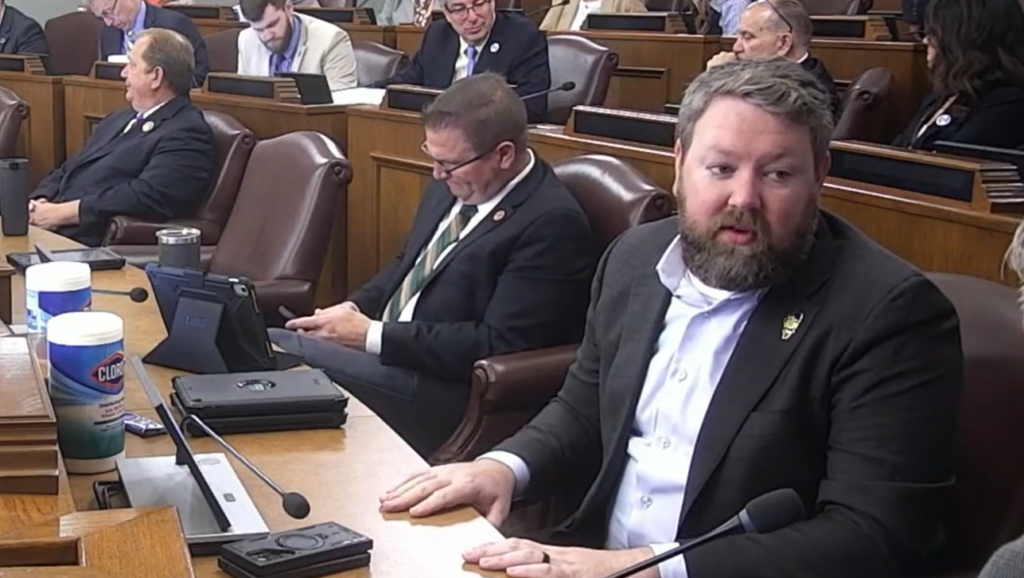
Opinions among the five-person committee were mixed and largely fell along party lines. The vote in favor of the bill was 3-2 with Republican Sens. Rod Pelton and Sen. Lynda Zamora Wilson joined by Democratic Sen. William Lindstedt, who said he cautiously supported the measure, but wanted the Appropriations Committee to give it a look. Democrats hold a majority in both houses of the Colorado Legislature.
“We have a workforce problem in this state, and more and more people are having to do overtime just because there’s not enough people, enough employees to fill some of these spots,” Pelton said in support of the bill. “I don’t think we should over-penalize the people that are staying in there, doing the job and keeping the businesses open.”
Committee Chair Sen. Katie Wallace, a Democrat, said she wanted to provide relief to working Coloradans, but thought there were better methods. She cited budgetary risks that would come from dipping into state tax credits amidst economic uncertainty, arguing the tax deduction would become a liability to the state’s most financially vulnerable.
“If we’re below the cap, this legislation will be a further hit to the general fund in an already terrible budget year, pulling even further funds away from Medicaid, SNAP and other programs that directly assist those families who need it most,” said Wallace. She added later, “I think that now is the time for a targeted approach to our tax systems that benefit those who need it the most first.”






Slight Chance Drizzle
Latest News Stories

Voters say economy rigged for wealthy as Trump earns low marks

Parents challenge special ed regulation for private schools, seek SCOTUS review

Trump: Data center boom will lower Americans’ energy costs

Election 2026: Third day of filing for Graham’s seat remains quiet

White House has extra asks for stalled federal highway bill

Carolina, Virginia Tech chosen for fellowship program by War Department
Future regional power supply down, but not out

Exclusive: USDA distributing loans to Oregon, Nevada sawmills to expand timber production
Lawsuit claims digital asset tax is unconstitutional

Minnesotan will spend life in prison for deaths of House speaker, husband

Minnesota wins dismissal of federal lawsuit over immigration detainers

PACT launches series giving victims of lawsuit abuse a voice