EXCLUSIVE: Superintendent group webinar details school response to ICE
The American Association of School Administrators hosted a members-only virtual webinar last week, providing school leaders with guidance on how to respond to potential encounters with U.S. Immigration and Customs Enforcement on school campuses, according to materials exclusively obtained by The Center Square.
The webinar highlighted that public schools should function as “safe zones” for children and are not legally required to assist federal immigration enforcement without a valid judicial warrant.
The webinar, titled: Operational Readiness: A Practical Playbook for ICE Encounters in Schools, included a “tactical, minute-by-minute” playbook for superintendents and administrators detailing legal response procedures before, during and after a potential ICE incident.
Steve Smith, a former School Resource Officer and senior fellow of urban studies at the Pacific Research Institute, said school leaders should prioritize student safety and avoid elevating anxiety.
“Reaffirming someone’s rights under the Bill of Rights in terms of how encounters with law enforcement are supposed to work isn’t incompatible with safety,” Smith told The Center Square. “But if there’s a political agenda behind it, that’s where concerns arise.”
AASA represents over 10,000 superintendents and education leaders nationwide and is primarily funded through membership dues. Active memberships cost about $485 annually, which local school districts often reimburse as a professional expense.
According to ProPublica, AASA reported more than $20 million in revenue in 2024, with 66.7% of that revenue coming from program services.
The guest speaker in the webinar was Luma Mufleh, founder and director of Fugees Family, a nonprofit organization. The guidance advises that if ICE agents appear on campus, school officials should secure the perimeter, prioritize student and classroom safety, and manage parent communication.
Administrators are instructed to keep doors closed and request to see a judicial warrant before allowing entry. The seminar warned against what the playbook refers to as the “warrant trap,” which shows the difference between a judicial warrant and an administrative warrant issued by the Department of Homeland Security.
The playbook further instructs that School Resource Officers should not assist federal immigration enforcement unless legally compelled by a judicial warrant. Staff must report any such encounters directly to the school principal.
Schools that allow ICE access without a valid judicial warrant could face liability if students are questioned, detained or if student information is shared, the webinar materials stated.
Schools are also encouraged to maintain “red folders” containing response scripts, emergency contact logs, “Know Your Rights” cards, care plan summaries, and witness incident report forms. And that families should prepare for potential detainment scenarios by having four to five emergency contacts who are not at risk of deportation.
On a national level, many school districts are advising students to have “Know Your Rights” cards. The National Immigration Law Center advises individuals to assert their constitutional rights during encounters with immigration authorities, including remaining silent and requesting legal counsel.
The Center Square reached out multiple times to AASA seeking comment on the webinar and playbook, but did not receive a response.
The guidance comes amid heightened public attention to immigration enforcement. The DHS has previously stated that ICE does not conduct enforcement operations at schools.
“ICE is not going to schools to make arrests of children,” DHS Assistant Secretary of Public Affairs Tricia McLaughlin said in a statement.
DHS did not respond to a request for comment from The Center Square regarding the AASA webinar.
Smith added that schools should ensure students do not interpret law enforcement presence as an indication of danger.
“If the superintendents are being careful about how they couch the language and not, you know, raising the anxiety level of students in the process, that it’s a good thing,” Smith said. “If they’re stoking fear and they’re pushing a political agenda, then that’s probably a bad thing.”






Showers And Thunderstorms then Mostly Cloudy
Latest News Stories

Meeting Summary and Briefs: Frankfort Village Board for November 3, 2025
Will County Saves Nearly $5.74 Million in Bond Refinancing, Explores Future Borrowing Options

Will County Board Advances New Speed Limits in Green Garden and Frankfort Townships
New Lenox Garage Variance Denied After Neighbor Cites ‘Massive’ Scale and Neighborhood Impact
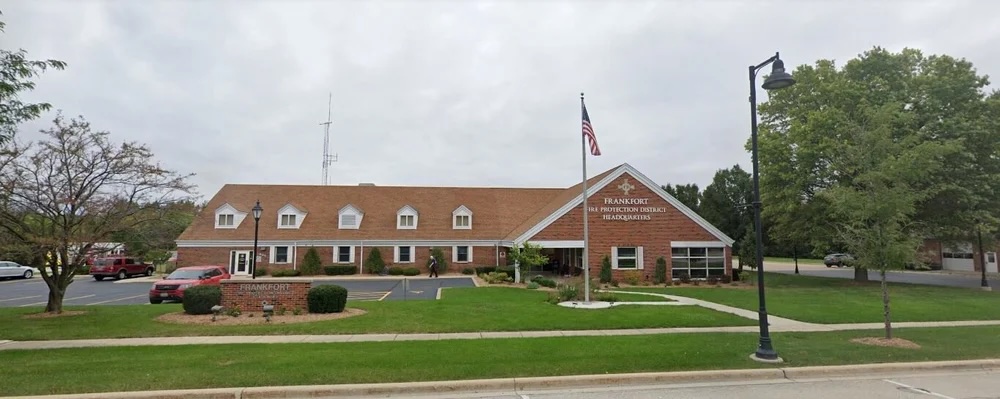
Frankfort Fire Board Discusses Process for Selecting New Chief

JJC Celebrates “Future Wolves” Partnerships with Joliet and Troy School Districts
Frankfort Fire District Sees Strong Interest for New Hire and Lieutenant Positions

Frankfort Library Updates Meeting Room Policy, Restricting Use to In-District Groups
New School Board Member Attends Park Meeting to Strengthen Partnership
State Veto Session Passes Energy Bill Limiting County Zoning, Approves Toll Hike for Mass Transit

Large naval presence in Caribbean ahead of Ford arrival

Voting rights group warns CA redistricting push could undermine trust in IL