Pritzker looks for rules for federal school choice scholarship program
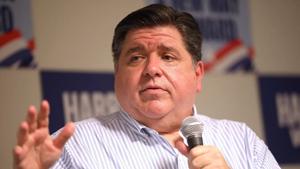
(The Center Square) – Despite having a similar state program expire, Illinois Gov. J.B. Pritzker remains on the fence about whether to opt Illinois into the federal Education Freedom Tax Credit.
As part of federal legislation President Donald Trump signed last summer, beginning in 2027, states can take part in a program that gives private donors of scholarship granting organization individual federal tax credits of up to $1,700 for school choice scholarships. States have to opt in.
The U.S. Department of Education Tuesday detailed 23 states have opted in – Alabama, Alaska, Arkansas, Georgia, Idaho, Indiana, Iowa, Louisiana, Mississippi, Missouri, Montana, Nebraska, Nevada, North Dakota, Ohio, Oklahoma, South Carolina, South Dakota, Tennessee, Texas, Virginia, West Virginia, and Wyoming.
For Illinois, Pritzker said he hasn’t seen the rules yet.
“Until we have that, right, just on its face, the question is, is this just a repeat of trying to take money out of public schools and move it into private schools, which is what the Trump administration, generally speaking, has been in favor of?” Pritzker said at an unrelated event Wednesday. “Or is this something that could be useful? But we just don’t know because there are no rules around it right now.”
Lori Smith, who is a Republican running for the Illinois Statehouse, said school choice is important.
“We are setting their selves up for such failure. I’ve seen it in my entire career. The kids can’t read, they can’t do math,” Smith told TCS. “They can’t do, you know, life skills. So what do they do? They get sucked into the gang life.”
Before it expired at the end of 2023, the Illinois’ Invest in Kids program allowed Illinois residents and businesses to receive a tax credit worth 75% of their contributions for low-income students to attend qualified private and technical schools.
With the federal government preparing to launch a similar program nationwide next year, states have to opt in. Wednesday, Pritzker said he hasn’t seen the rules.
“The state program, that Invest in Kids program, had its own rules that were written into the legislation. We knew what that was, how that was supposed to be used,” Pritzker said. “We don’t know what the federal program will be used for, and that’s what we’re waiting rules for.”
A fact sheet from the U.S. Department of Education said individual tax credits on up to $1,700 for school choice scholarships does not involve public tax dollars and spells out what the scholarship donations can be used for.
“For some families, this could mean using scholarships to pay for private school tuition at a school they choose,” the fact sheet said. “Other students will benefit from buying the equipment or uniforms needed for a career training program at a secondary school. Other families may seek a scholarship for tutoring or for afterschool enrichment programs. The options are expected to vary in line with students’ unique academic needs, the focus of a particular [scholarship granting organization], and the educational opportunities available to students.”
Jim Talamonti contributed to this story.
###





Chance Rain Showers then Partly Sunny
Latest News Stories
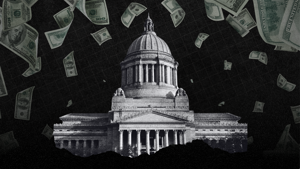
Congress used government funding bill to ‘erase’ $3.4 trillion in deficits
Illinois patient relies on ACA tax credits, experts warn they drive higher premiums

Trump rolls back tariffs on over 200 foods in sharp reversal
Trump says $2,000 tariff rebate checks won’t come before Christmas
Chicago mayor threatens layoffs, property tax hikes if council rejects head tax
Goldwater Institute sues Arizona attorney general for records

Illinois quick hits: Four officers injured during ICE protest
California asks court to end federalization of National Guard

ICE, Florida officers arrest 230, including 150 sex offenders

With shutdown over, fight over Obamacare reform is on
Feds launch initiative to conduct welfare checks on unaccompanied minors
Will County Committee Denies Appeal for Crete Township ‘Tiny Home’ Permit

Judge: Biden-era decree deal requires release of 600+ from ICE detention

Poll: Majority believe free speech in U.S. headed in wrong direction