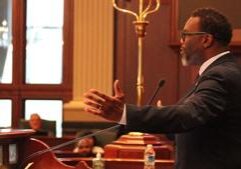
Chicago splits pension payments in hopes of Improving cash flow
(The Center Square) – Illinois State Rep. Dan Ugaste, R-Saint Charles, worries Chicago’s newfound plan to divide annual advance supplemental payments for its underfunded pensions into at least two installments could lead to just more mismanagement.
With taxpayers already on the hook for almost $260 million to the city’s four retirement systems as part of the 2026 budget, Mayor Brandon Johnson recently announced his administration would be making a partial payment in January while pushing a second down the line in hopes of loosening cash flow.
Ugaste argues nothing about the new plan gets at the root of what is causing so much stress for taxpayers.
“This is no way to run a government or if you were running a business,” Ugaste told TCS. “You don’t do things this way. You set aside the money you need for your obligations, and then you determine what’s left over for discretionary spending. The city of Chicago is doing just the opposite. They’ve decided the programs they want to spend on, then they’re trying to figure out ‘how do we find enough money to pay our obligations.’”
As it is, the city’s annually required pension contribution tops $2 billion, accounting for about 38% of overall revenue, while the state has long been home to some of the highest unfunded pension debt in the country.
“You have to look at it and say are they even going to have the money in the future to pay the other part they’re talking about paying down the line,” Ugaste said. “That’s got to be your biggest concern, especially given the history of pension payments, not just in Chicago but in the state. You did not set aside enough money to pay something that your own Supreme Court has told you you’re going to have to pay and cannot avoid it.”
In the end, Ugaste adds every taxpayer foots the bill for what he sees as ongoing mismanagement.
“It makes it more difficult to get people to work for your unit of government because it looks great to promise I’m going to give you a pension, but if you don’t fund your pension so that you can afford it, people may not want to come work there,” he said. “Two, you’re going to run into problems with making the payment and funding your pensions and that will ultimately affect how much people have to pay in taxes and at the end of the day because of mismanagement you’re chasing people away, chasing businesses away.”
City officials are on the record with a goal of bringing pensions to 90% funded over the next three decades.






Sunny
Latest News Stories

Illinois Quick Hits: Civic federation funds ‘persistent structural imbalance’ in Illinois
Lincoln-Way Schools Join “WillBeReady” Mutual Aid Network for Disaster Response

Millions Approved for Will County Highway and Road Infrastructure Projects

U.S. House OKs Fetterman bill allowing SNAP to cover hot rotisserie chicken

Gas hits $6 a gallon in California; Southwest see increases

Teacher unions spent over $1B on political causes since 2015

Illinoisans may soon need registration, title, license to use e-bikes, scooters
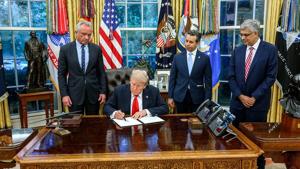
Executive order creates website for retirement accounts, matching federal contributions

Congress extends govt. surveillance powers for 45 days
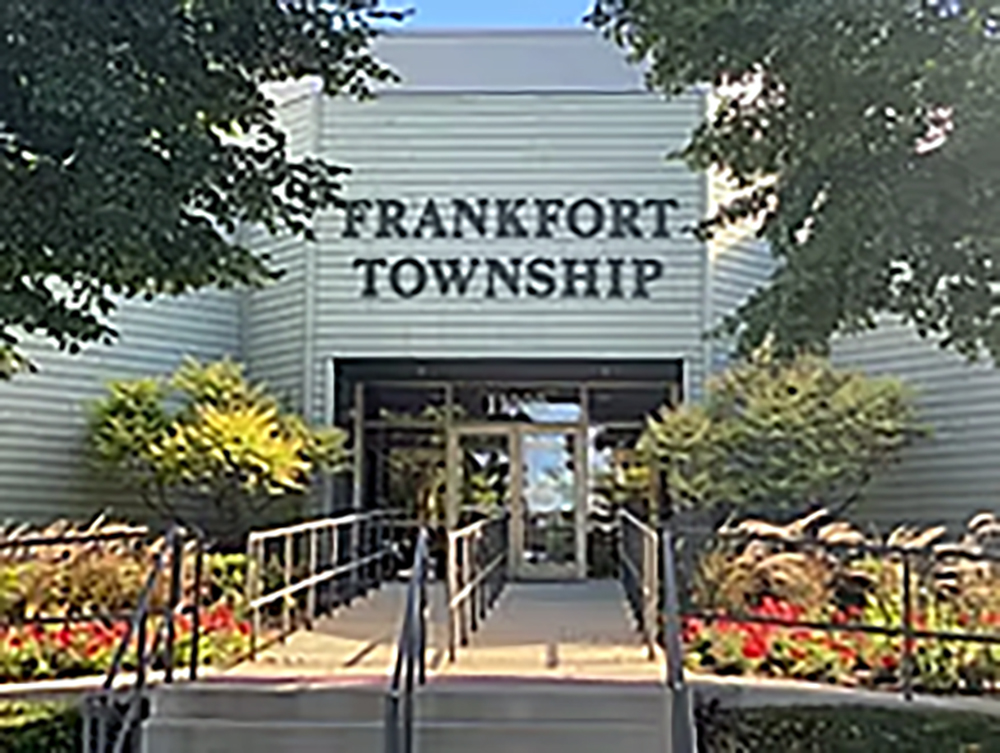
Meeting Summary and Briefs: Frankfort Township Board for March 9, 2026
Meeting Summary and Briefs: Frankfort Village Board for April 20, 2026

Report: 10% credit card cap could cut off 64 million Americans, risk recession