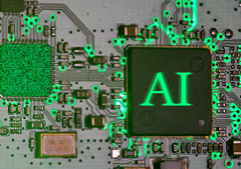
Report: University diplomas losing value to GenAI
University diplomas are losing value, and 9 of 10 trying to gain them have diminished critical thinking skills because of the impact from generative artificial intelligence, a university report from North Carolina says.
GenAI, as it is colloquially known, isn’t being universally rejected by the 1,057 college and university faculty members sampled nationwide by Elon University’s Imagining the Digital Future Center and the American Association of Colleges and Universities Oct. 29-Nov. 26. It is, however, placing higher education at “an inflection point.”
“When more than 9 in 10 faculty warn that generative AI may weaken critical thinking and increase student overreliance, it is clear that higher education is at an inflection point,” said Eddie Watson, vice president for Digital Innovation at the AAC&U. “These findings do not call for abandoning AI, but for intentional leadership – rethinking teaching models, assessment practices, and academic integrity so that human judgment, inquiry, and learning remain central.
“The challenge before higher education is to act with urgency and purpose so that AI strengthens, rather than undermines, the value of a college degree.”
In the findings, 90% said GenAI will diminish students’ critical thinking skills. There were 95% saying students are over reliant on artificial intelligence tools.
In the survey, 78% said cheating on campus has increased with GenAI tools widely available – and 57% used the term “a lot.” Academic integrity has been dealt with by 73% of respondents.
Value of academic degrees and integrity is worsening, said 74% of those sampled.
Lee Rainie, director of Elon’s Imagining the Digital Future Center and co-author with Watson of the report, said faculty members are divided on use of GenAI.
“Some are innovating and eager to do more; a notable share is strongly resistant; and many are grappling with how to proceed,” he said. “At the same time, there is broad agreement that without clear values, shared norms and serious investment in AI literacy, we risk trading compelling teaching, deep learning, human judgment and students’ intellectual independence for convenience and a perilous, automated future.”
• Decreased attention spans from GenAI will be 83%.
• The work and role of those who teach in higher education will be impacted, said 86%.
• Typical teaching models in respective departments will be affected by GenAI tools at least to some extent, said 79%.
• Graduates in spring of 2025 were not very or not at all prepared to use GenAI in the world of work, said 63%. By contrast, 37% said they were very or somewhat prepared.
• Students’ research has gotten worse because of GenAI, said 48%. By contrast, 20% said it is better.
The American Association of Colleges and Universities bills itself as a “global membership organization dedicated to advancing the democratic purposes of higher education by promoting equity, innovation and excellent in liberal education. Elon University’s Imagining the Digital Future Center, on the campus in Elon, N.C., bills itself as “an interdisciplinary research center focused on the human impact of accelerating digital change and the sociotechnical challenges that lie ahead.”




Mostly Sunny
Latest News Stories
Election 2026: Prisoners in historic release by Cooper consistent in pattern
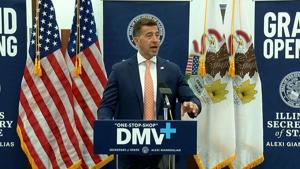
Secretary of State says insurance reforms are not political
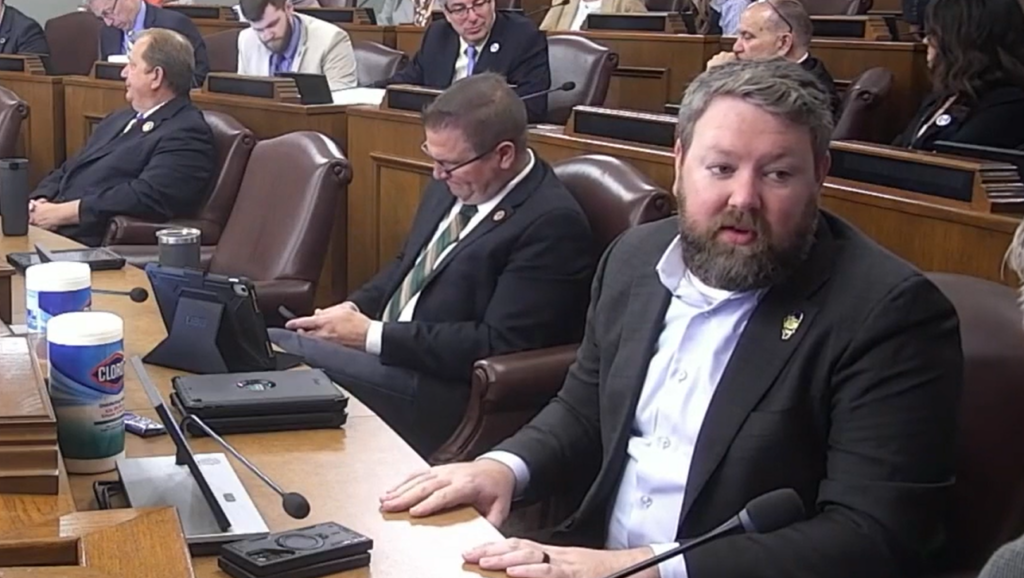
Details show speaker delayed lawmaker misconduct action

Man suspected of using ‘incendiary device’ arrested outside NYC immigration court

Gubernatorial candidate calls for leadership overhaul, prison reforms

U.S. Supreme Court to hear Alaska plane confiscation case

Illinois news in brief: Chicago police review Illinois Accountability Commission report; Granite City man sentenced for transporting minor in sex assault case; Report finds Illinois’ AI careers rank 34th in nation

Service member killed in action; remains found in search for one missing
Second family welcomes baby boy

Everyday Economics: Falling gas prices helped keep consumers spending

Illinois may bring early warning of toll costs ahead of proposed rate hike
Illinois senator says True Value move highlights business climate concerns