
Elite private colleges can’t cap off price-fixing collusion class action
A federal judge in Chicago has refused to end an antitrust class action complaint accusing elite universities of colluding in the financial aid process.
U.S. District Judge Matthew Kennelly filed an opinion Jan. 12 denying a summary judgment motion from more than a dozen private schools, the latest development in a lawsuit that stretches back to January 2022 alleging the schools “participated and are participating in a price-fixing cartel that is designed to reduce or eliminate financial aid as a locus of competition, and that in fact has artificially inflated the net price of attendance for students receiving financial aid.”
In the original complaint, 10 named plaintiffs sued 17 schools, but in the interim many universities reached settlement agreements. Five remaining defendant schools — Cornell, Georgetown, MIT, Notre Dame and Penn — asked Kennelly to grant summary judgement in May. Penn also raised a withdrawal defense. Kennelly denied the students’ motion for partial summary judgment on that gambit.
Kennelly noted the issue echoes a 1991 U.S. Department of Justice civil antitrust enforcement action against the eight Ivy League schools and MIT, which since 1958 had agreed on several financial aid terms, including an annual joint meeting to determine expected family contributions for commonly admitted students.
“That lawsuit ultimately ended in a consent decree that limited collusion on financial aid,” Kennelly wrote. Congress in 1994 enacted a temporary exemption allowing some agreements at schools where all admissions decisions ignore financial need, and Kennelly said the current lawsuit involves conduct that originated with a 1998 consortium looking to operate within the parameters of the “568 Exemption” permitted in 1994.
Kennelly said the universities argued the plaintiffs couldn’t show “an overarching conspiracy to artificially inflate the net price of attendance. The problem with this argument is that it shifts the goalposts away from” what they actually needed to allege to survive a summary judgement motion, he explained. The law “does not require any particular kind of agreement to trigger antitrust scrutiny; it distinguishes only between agreements that harm competition and those that do not,” and whether an agreement exists is a different question from whether trade is unreasonably restrained.
“As a result, the students do not need to prove an overarching price-fixing conspiracy to satisfy the agreement element, they simply need to show that there was an agreement,” Kennelly wrote. “Even a mutual understanding to exchange information may constitute a section 1 violation if it has an anticompetitive effect.”
There is no dispute the defendant schools belonged to a group that collaborated on financial aid, he continued, and there is sufficient evidence of a consensus that would avoid bidding wars and then continued adherence to that consensus — in some cases with group members indicating the approach restricted financial aid analysis but conceding a need to follow the system to remain in the group.
But agreements are legal if they don’t unreasonably restrain trade, Kennelly continued, and even though he agreed with the schools that a “full rule of reason analysis is required” for that question, specifically noting “three aspects of the agreement caution against condemning it without an investigation into its actual effects” — competition wasn’t obviously affected, a jury could find group members didn’t agree on or enforce every aspect and the agreement could have purposes beyond suppressing competition — he nonetheless ultimately concluded the plaintiffs adequately alleged the end result could constitute an antitrust violation.
The students, Kennelly said, approached this issue by attempting to “provide evidence of the rough contours of a relevant market, the defendant’s market power and the detrimental effects of the assertion of that power.” He said the universities challenged the findings of the plaintiffs’ expert “at each step” and failed to convince Kennelly to render that analysis inadmissible.
Kennelly said the expert’s methods show universities participating in the alleged agreement inflated prices over two decades and, while other possible explanations might exist, he said the schools didn’t “disprove the existence of the elite, private university market as a relevant market” and ultimately reasoned the plaintiffs “have sufficiently proven the rough contours of the market.”
Analysis of market power and assertion of that power was “easier,” Kennelly continued, and a reasonable jury could agree the collusion alleged did indeed stifle competition.
The schools also argued the plaintiffs lacked standing because students whose parents (or other parties) paid their tuitions didn’t suffer any injury. Kennelly disagreed, saying students who accepted addition “alone incurred the legal obligation to pay tuition” regardless of how the students got that money: parents had no agreements or contracts with universities.
“Courts in … analogous cases have generally held that parents do not have standing to sue colleges and universities merely because they paid tuition on behalf of their children,” Kennelly wrote. “Though the parents’ lack of standing does not necessarily imply that the students have standing, the logic in those cases supports treating this case as analogous to one where the parent gives the money to the student to then pay tuition themselves.”
Kennelly also rejected the universities’ affirmative defenses. He said the 568 Exemption would apply had the schools shown they were admitting on a “need blind” basis, a position Cornell, Georgetown, MIT and Penn took, but noted he had already rejected that position when denying a motion to dismiss in 2022, finding that if any of the schools participating in the agreement did consider need, none could claim immunity because “the exemption protects agreements, not individual universities.”
He further said the schools’ argument claims should be limited to tuition payments within four years of the initial filing ignores a U.S. Seventh Circuit Court “discovery rule” that pegs the timing to when a plaintiff did or should have discovered the injury framing the allegations.
“The universities are not entitled to summary judgment on this defense,” Kennelly wrote. “The initial problem is that even a reasonably diligent plaintiff would be unlikely to detect that they had been injured at all. A student receiving their financial award, even one lower than they had hoped for, has no reason to suspect that their award should have been higher. Most for whom it even registers that the award seems low likely would attribute this to one of the many opaque and nebulous factors that go into financial aid calculation. The publicly available information might help a student identify the 568 Group as a potential cause, but none of that information helps if a student never suspects injury in the first place.”
He did, however, reject the plaintiffs’ assertions the schools made deliberate misrepresentations, instead saying every statement in the complaint is “perfectly consistent with good faith representations by the universities” and further conceded “universities, like the students, may well have been unaware whether their agreement in fact harmed students.”
Finally, Penn argued it formally withdrew from the alleged agreement in January 2020 with a resignation letter. While Kennelly agreed that letter was “a far cry from repudiation” of the collaboration, he said summary judgement was inappropriate because the school could make a winning argument regarding “several discrete changes to its financial aid policies” after sending the letter.
Plaintiffs are represented in the case by attorneys Robert D. Gilbert and others with the firm of Gilbert Litigators & Counselors P.C., of New York; Edward J. Normand and others with the firm of Freedman Normand Friedland LLP, of New York and Miami; and Eric L. Cramer and others with the firm of Berger Montague, of Philadelphia, Chicago and Washington, D.C.





Chance Showers And Thunderstorms
Latest News Stories
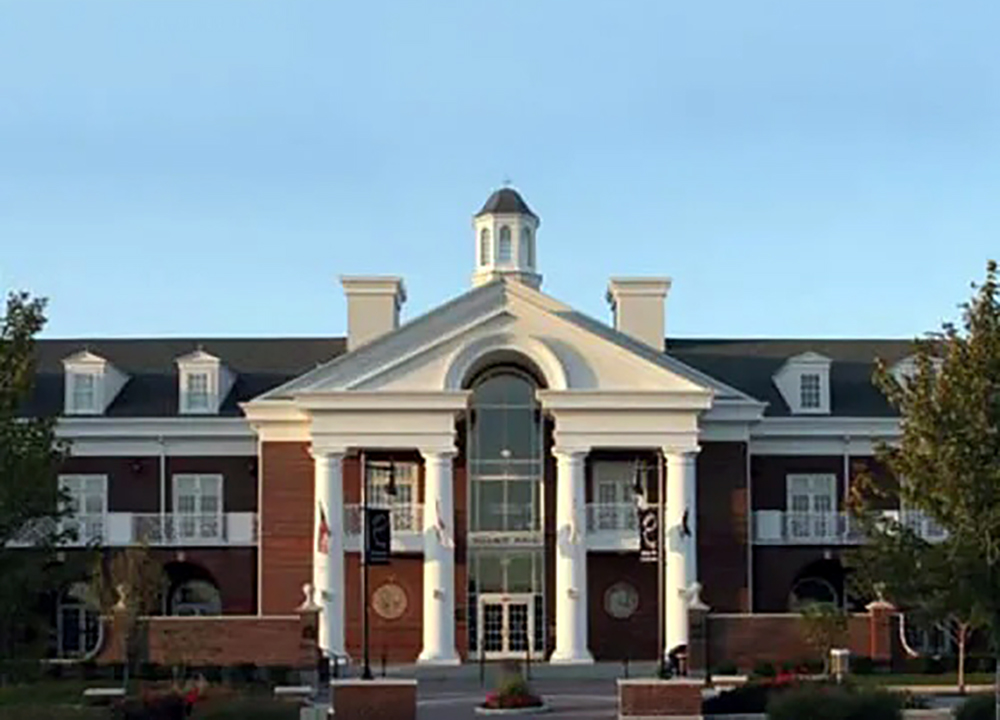
New Lenox’s Crossroads Sports Complex Opens to Rave Reviews, On Time and Under Budget

New Lenox Waives Over $13,000 in Permit Fees for Park District, Church Projects

New Lenox Approves Site Plan for MBPRO Truck Repair on Moni Drive

Meeting Summary: New Lenox Board of Trustees for July 14, 2025
Meeting Summary and Briefs: Frankfort Fire Protection District Board of Trustees for June 10, 2025

Frankfort Fire District Projects $350,000 Surplus, But Faces Capital Crunch for New Engine

Frankfort Fire Trustees Approve New Collective Bargaining Agreement with Firefighters Union
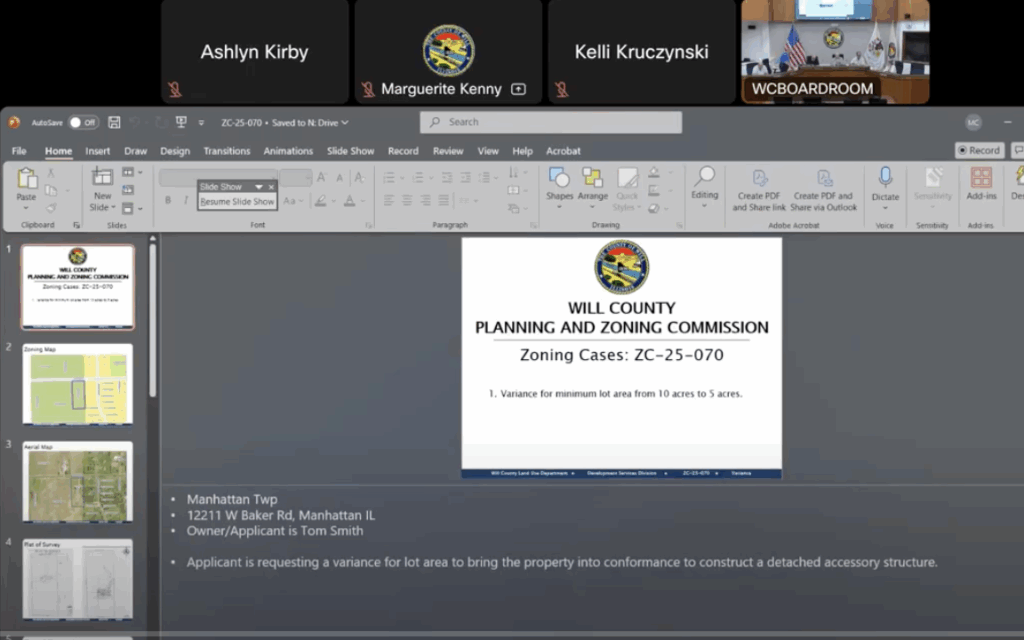
Crete Township Wins Approval for New Digital Sign at Community Center
Will County Planners OK Oversized Garage Near Naperville, Overriding Staff Recommendation
Green Garden Landscaping Business Gains Permit Amid Strong Neighbor Support
Meeting Briefs: Will County Planning and Zoning Commission for July 15, 2025
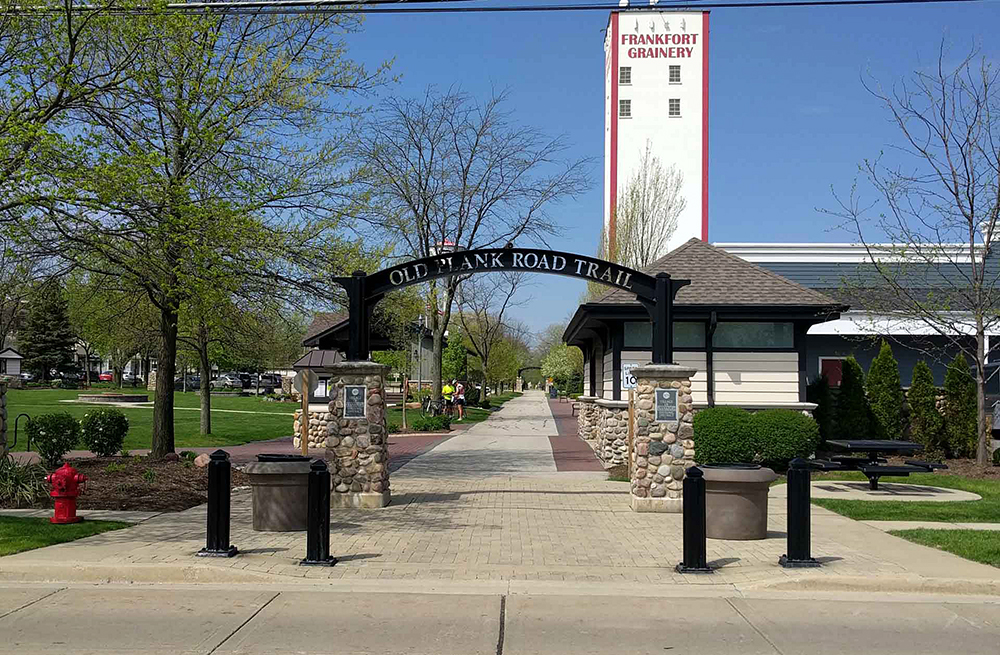
Frankfort Approves ‘Whisk & Flame’ Culinary Studio, Slashes Parking Requirement for Downtown Property