Bill filed to address loss of homes, equity over property tax debt
(The Center Square) – A Democratic state lawmaker has filed a bill to address the Illinois practice of county governments seizing homes and equity over unpaid property taxes, and he promised to work with Republicans on the legislation.
State Sen. Willie Preston, D-Chicago, introduced Senate Bill 2830 on Tuesday and said families can lose their homes over relatively small property tax debts.
“And when it happens, the family doesn’t just lose the house, they lose all of the equity in the home, sometimes a lifetime of work, while investors walk away with a profit,” Preston said.
Preston said SB 2830 would end the practice of stripping away equity while ensuring local governments collect the taxes their owed.
“Let me emphasize what this bill does not do. It does not forgive taxes. It does not let anyone skip responsibility. It does not harm municipalities,” Preston said.
The bill’s language provides for the accuracy of assessed and delinquent property tax amounts, restricts interest to be paid on sale-in-error refunds and restricts tax purchasers from receiving more than $2 million in cumulative sale-in-error refunds in one year.
The measure also creates a community revitalization property trust to acquire parcels that receive no bids in a scavenger sale or are located in distressed municipalities.
A recent federal court ruling in Chicago said Cook County’s tax sale system is unconstitutional.
On Dec. 9, U.S. District Judge Matthew F. Kennelly sided with a group of former Cook County homeowners who sought in a class action to end county’s longstanding system of collecting property tax debts by seizing and selling homes over unpaid taxes worth a fraction of the home’s value.
A separate lawsuit was filed against several other county governments in Illinois.
Preston said his legislation was created because his office received “an inundation” of people asking why state lawmakers could not lower property taxes and why there are such inconsistencies with respect to property tax assessments.
The Chicago Democrat said he would welcome dialogue with the Illinois Municipal League and his counterparts on the other side of the aisle.
“In order for us to really get the reforms we need, we’re going to have to work in a bipartisan fashion to make sure that we have complete buy-in across the state of Illinois,” Preston said.
Preston said he is the “most bipartisan” state senator in Illinois.
Noting that Cook County property taxes fund Chicago Public Schools, Chicago Flips Red founder Zoe Leigh called for audits of the city’s school district, board of education and the Chicago Teachers Union.
“Yes, we need a forensic audit on all of this, the whole school system, even charters, all of that, because that’s the only way we’re going to able to clean up some of this swamp,” Leigh told The Center Square.
Jonathan Bilyk contributed to this story.
###





Showers And Thunderstorms Likely then Chance Showers And Thunderstorms
Latest News Stories
Lincoln-Way East Cheerleaders Honored for 8th State Championship
Executive Committee Advances “Project Northwinds”: 2,475 Jobs and $346 Million Investment Proposed for Former Caterpillar, Lion Electric Sites
Land Use Committee Advances Mokena Scrap Yard and Homer Glen Landscape Business Over Local Objections
District 210 Reports Insurance Deficit Amid National Healthcare Cost Spikes; Finances Remain Stable

Planning Commission Backs 5-MW Peotone Solar Farm; Developer Pledges Pollinator Habitat and Community Funds

Joliet Junior College Board Approves $2 Tuition Increase Amidst Heated Debate Over Enrollment and Spending
Lincoln-Way Board Ratifies Three-Year Support Staff Contract with Significant Hourly Raises
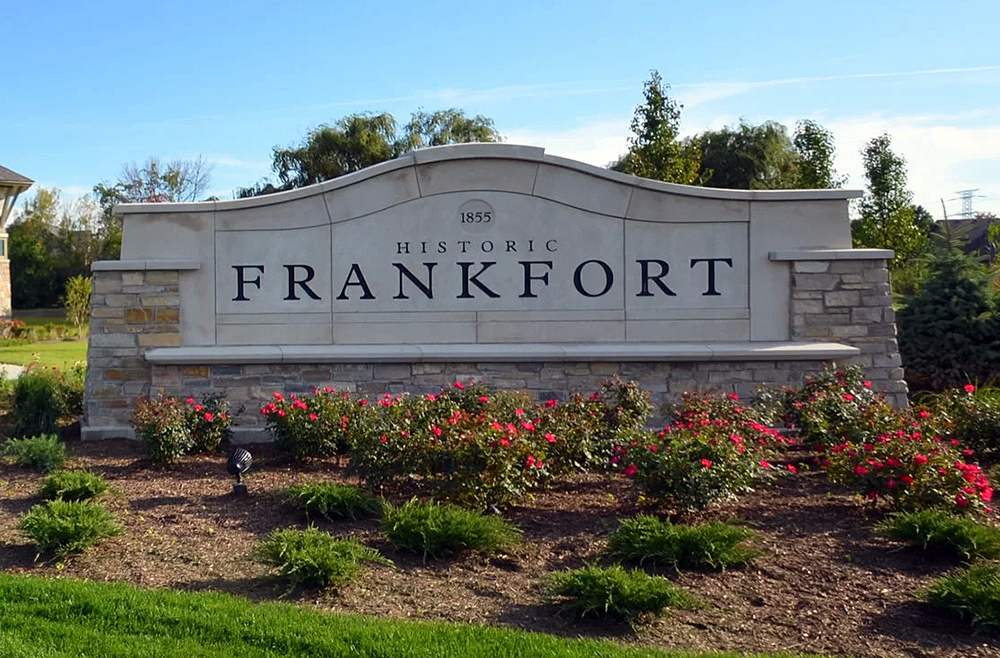
Frankfort Seeks Public Vision for Downtown Urban Design
Green Garden Residents Seek Frankfort’s Support in Opposing 6,000-Acre Solar Farm
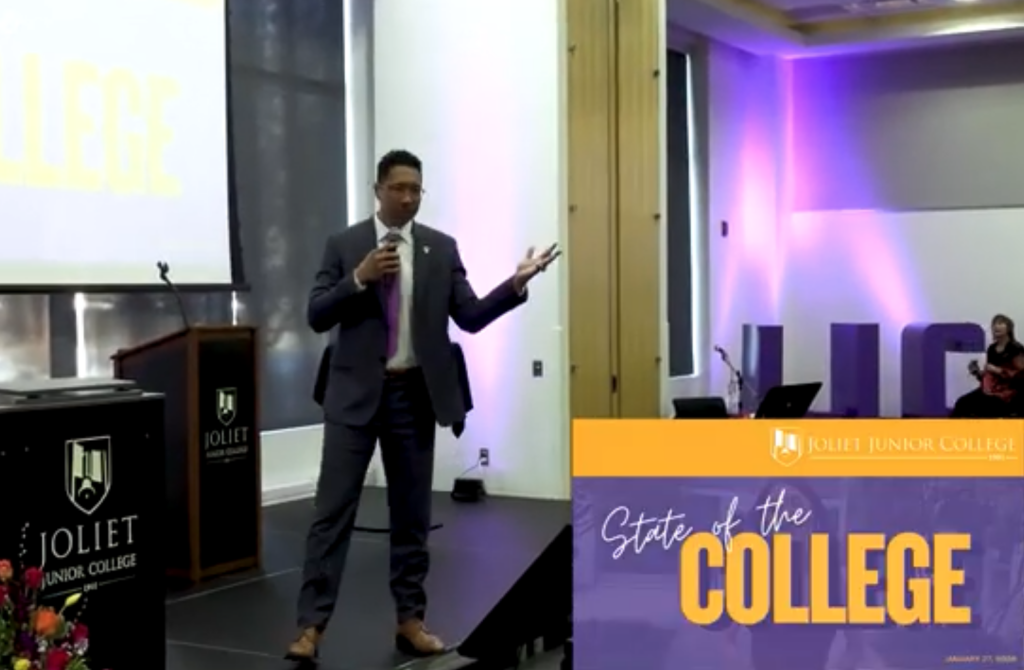
State of the College: Local Legislators Bolster Student Support Services
Meeting Summary and Briefs: Public Health & Safety Committee for February 5, 2026

State of the College: Dual Credit Program Enrollment Hits 6,000 Students
Meeting Summary and Briefs: Finance Committee for February 3, 2026

Fairmont Neighborhood Plan Update Prioritizes Infrastructure and Beautification Following Demographic Shift