Lincoln-Way 210 to Purchase 31 Buses, Citing Major Savings Over Leasing
Lincoln-Way Community High School District 210 Meeting | November 20, 2025
Article Summary: The Lincoln-Way District 210 Board of Education approved the purchase of 28 yellow school buses and three white activity buses, opting for a finance-to-own model that is projected to be 33% cheaper than leasing. The purchase will be funded by issuing up to $4.85 million in debt certificates, which will be repaid from the operating budget without requiring additional taxpayer funds.
School Bus Purchase Key Points:
-
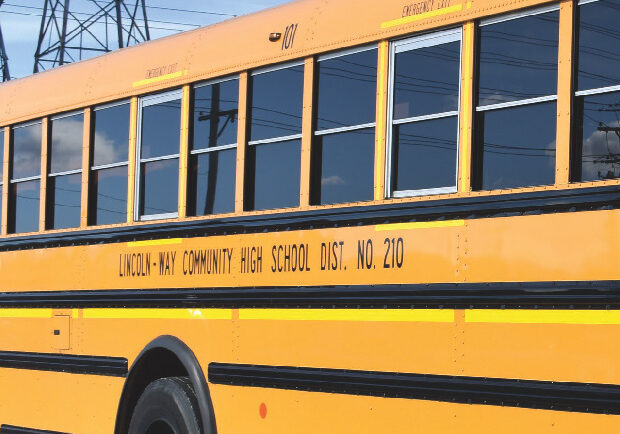
The district will purchase 28 gasoline-powered yellow school buses from Central States and three white activity buses from Midwest Transit.
-
The finance-to-own model is estimated to cost less than $18,000 per bus annually over seven years, a 33% reduction from the lowest lease bid of nearly $27,000 per bus.
-
The purchase will be funded by issuing up to $4.85 million in debt certificates, paid back through the operating budget.
-
The move allows the district to own the vehicles, capture resale value, and reduce its fleet by four buses.
NEW LENOX — The Lincoln-Way Community High School District 210 Board of Education on Thursday, November 20, 2025, unanimously approved the purchase of 31 new buses and a resolution to issue debt certificates to finance the acquisition, a move officials said will save the district over $250,000 annually compared to leasing.
The board approved a split award, purchasing 28 72-passenger yellow gasoline buses from Central States and three white activity buses from Midwest Transit. The decision follows a successful transition to gasoline buses last year, which have proven more reliable in extreme cold weather, according to a memo from Director of Transportation Andy Reasor and Assistant Superintendent Michael Duback.
The purchase replaces 32 buses that are ending a five-year lease. By purchasing instead of leasing, the district will reduce its overall fleet by four buses.
Duback explained that leasing has become “cost-prohibitive,” with the lowest bid coming in at nearly $27,000 per bus per year. Under the finance-to-own model, the net cost is projected to be less than $18,000 per bus annually over a seven-year financing period—a 33% savings.
“It’s not a small amount of money that we’re saving by doing this,” Duback told the board. After the seven-year payback is complete, the district will own the vehicles and can use them for several more years without payments.
To fund the purchase, the board approved a resolution to issue not more than $4,850,000 in debt certificates. Duback stressed that these are operating certificates and will be repaid from the district’s operating budget, requiring “no additional taxpayer funds.” The financing plan was structured to keep annual payments steady when combined with debt certificates issued for a similar bus purchase last year.
Board member Dana Bergthold asked about the lifespan of the buses after the financing is paid off. Duback confirmed the district aims to use the buses for at least 10 years, providing three years of use with no payments. He also noted a strong market for used school buses should the district decide to sell them in the future.
The board approved both the bus purchase and the financing resolution in separate 5-0 votes.
Showers And Thunderstorms Likely
Latest News Stories

Illinois Quick Hits: Gas prices rise again
Massive drug busts in California, Texas, enough to kill more than 32.7 million people
Union Pacific, Norfolk Southern submit new merger application

Mills drops out of Maine U.S. Senate race
Board Establishes New Regulations and Fees for Wireless Telecommunication Facilities
House passes funding for ICE, CBP, tees up DHS reopening
Florida poised to flip 4 U.S. House seats with new map
Energy industry insiders advise lawmakers on supporting AI growth, protecting ratepayers

WATCH: Students see tuition as a good investment despite loan debt, survey says
California congressman slams nation’s ‘gerrymandering war’
Illinois pauses redistricting effort after Supreme Court ruling

Hegseth pledges housing fix after $2.6 billion used for warrior bonuses