Chicago council committee rejects mayor’s proposed tax hikes
(The Center Square) – The Chicago City Council Committee on Finance has rejected a package of higher taxes proposed by Mayor Brandon Johnson.
After the committee voted 25 to 10 against Johnson’s revenue package Monday afternoon, the mayor refused to back down from his proposed corporate head tax.
The mayor’s plan would impose a $21-per-worker monthly tax on businesses with 100 employees or more, although there have been discussions about some workers being exempted. A business with exactly 100 employees would pay $2,100 a month, or $25,200 annually.
Johnson said Chicago’s elevated number of downtown office vacancies are not a result of high taxes.
“The reason why, first of all, the vacancy exists is because, obviously, we’re still recovering from the pandemic. There is no correlation between taxation and the success, if you will, of corporations,” Johnson said.
Reed Smith partner David Dorner said a head tax is not the way to bring people into Chicago.
“I think it’s going to keep people out of the city when we want to bring them back in and have people working here, coming downtown, visiting the downtown businesses. You don’t want to give them a reason not to come to the office, and that’s what the head tax would do,” Dorner told The Center Square.
In addition to the corporate head tax, the mayor’s $16.6 billion spending plan includes new taxes on social media, sports betting and boat mooring.
Dorner said the mayor’s cloud tax, or lease tax, would affect the lease, rental or use of computer software or cloud infrastructure.
“As you can imagine, businesses today spend a lot of their budget on technology, including software as a service, and that’s going to be subject to this higher tax if it’s passed by the city of Chicago. It’s already at 11%. It wasn’t too long ago it was at 9%,” Dorner explained.
Dorner said increasing the tax to 15% would impact businesses and individuals who pay for software licenses.
The mayor was asked about opposition to the cloud tax from small business owners and aldermen.
“First of all, it doesn’t affect working people the way in which it’s being described. We’re talking about an industry that’s making more money than they even imagine,” Johnson said.
Johnson insisted that a corporate tax would stay in his budget and promised to veto any budget with a property tax increase. He also promised to veto any budget that included layoffs.
The city council’s budget committee cancelled its scheduled meeting Monday afternoon after the finance committee defeated Johnson’s tax package.
As of late Monday afternoon, the full council was still scheduled to meet Tuesday morning.
Community Events
Latest News Stories
Will County’s “First-in-Nation” Veterans Center to House Workforce Services, Sparking Debate
Improved Vendor Service Creates $1.2 Million Shortfall in Sheriff’s Medical Budget
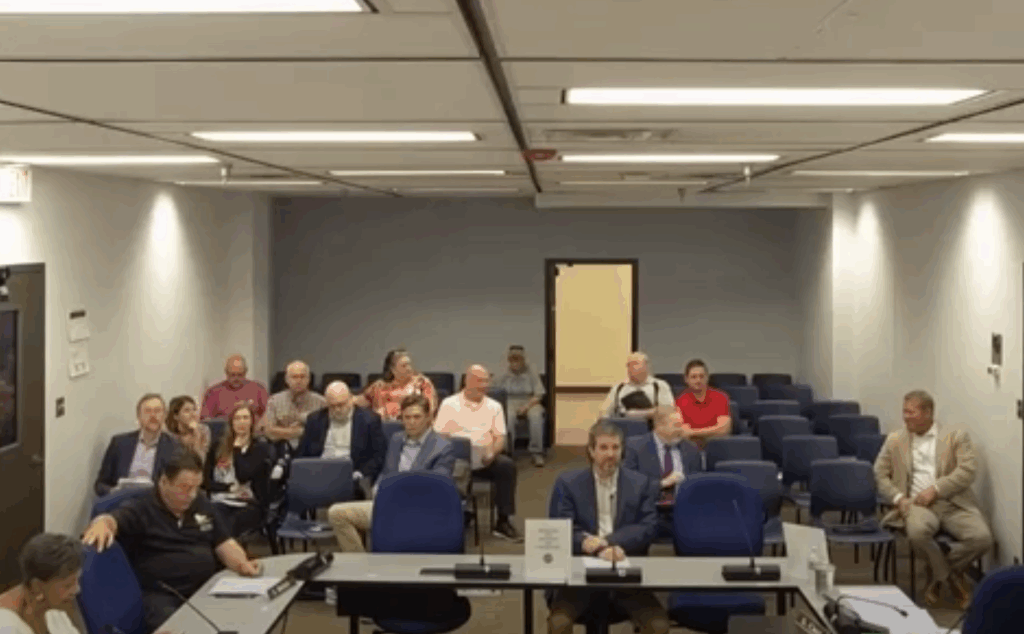
Will County Public Works Committee Unveils 25-Year Transportation Plan, Projects $258 Million Gap
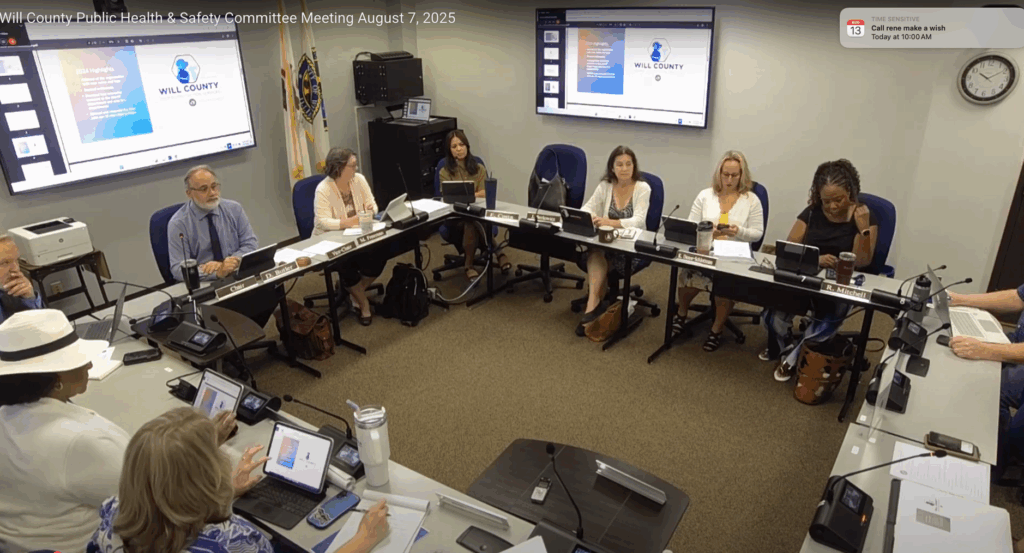
Will County Animal Protection Services Seeks New Facility Amid “Gaping Wound” of Space Crisis
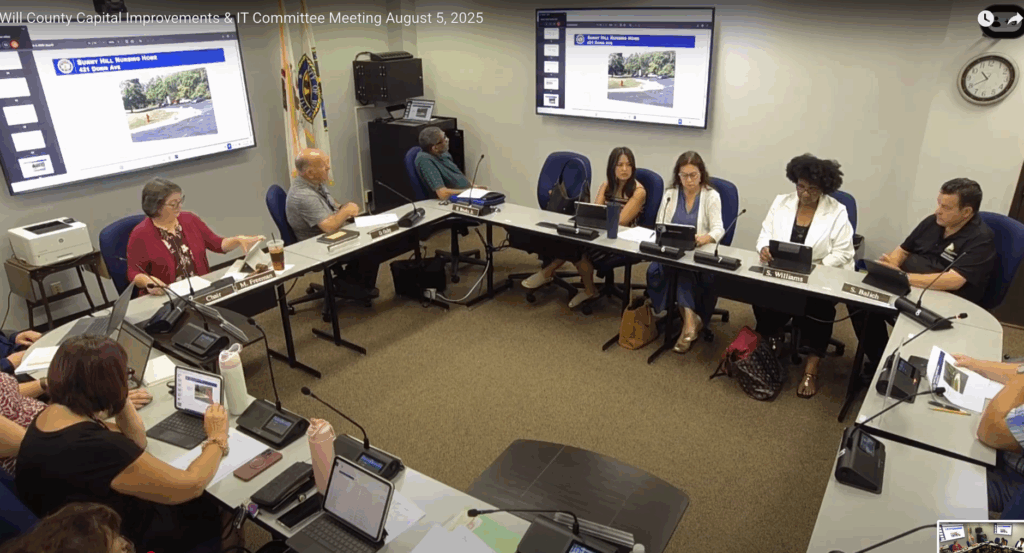
Board Confronts Animal Services Crowding, Explores Future Facility Options
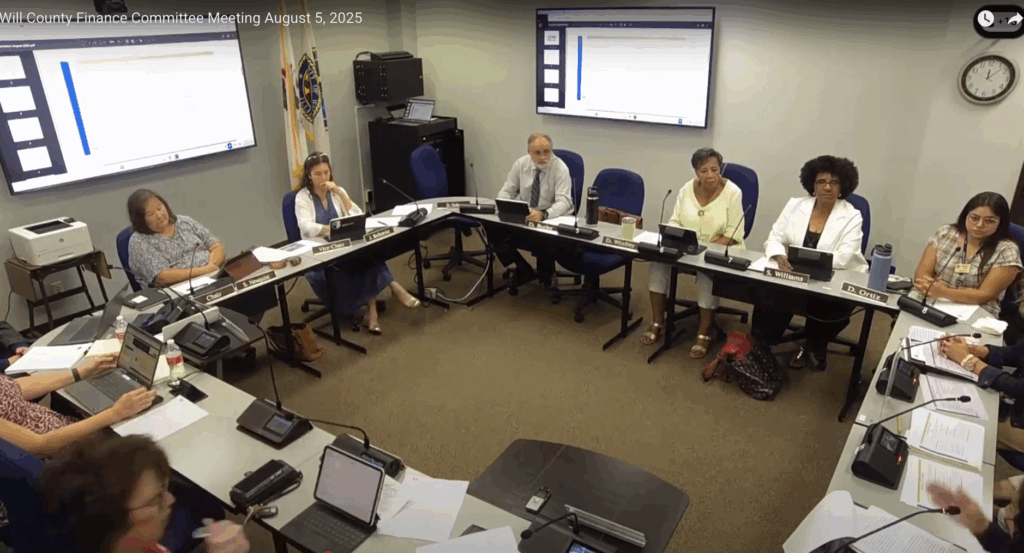
Will County Board Members Demand Transparency in Cannabis Tax Fund Allocation
Homer Glenn Residents Push Back on 143rd Street Widening as Officials Signal “Tentative Agreement”
Will County Forges 2026 Federal Agenda Amid D.C. Policy Shifts, ‘Big Beautiful Bill’ Impacts
Health Department Seeks $1 Million Levy Increase to Prevent “Weakened System”
County Rolls Out New “OneMeeting” Software to Improve Public Access
Meeting Summary and Briefs: Will County Board Finance Committee for August 5, 2025
Will County PZC Approves Rezoning for Truck Repair Facility on Manhattan Road Amid Resident Concerns
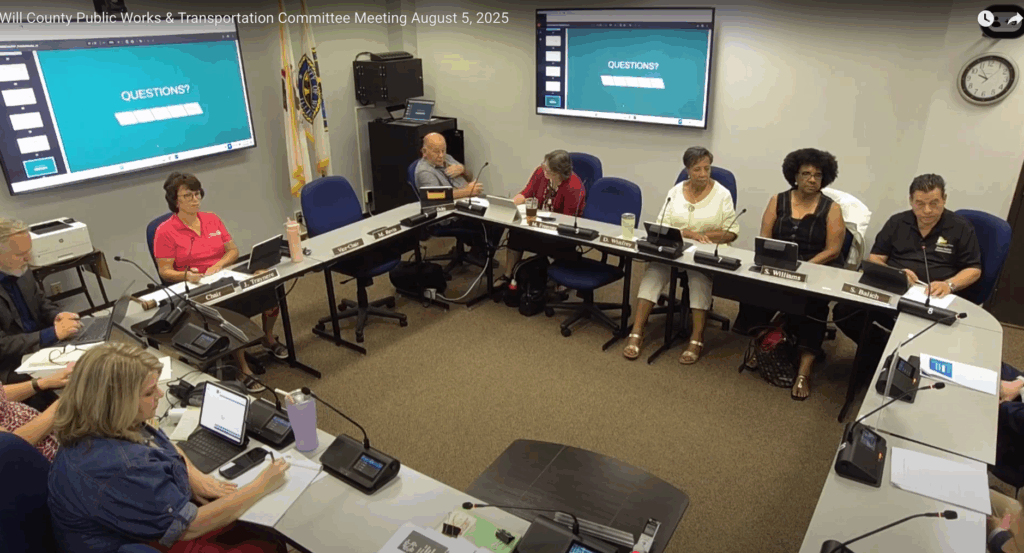
Key Stretch of Bell Road on Track for Thanksgiving Reopening, Committee Approves Additional Funds