Trump rolls back tariffs on over 200 foods in sharp reversal
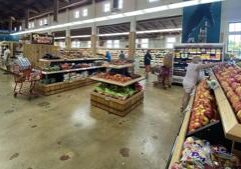
Responding to Americans’ frustrations over high grocery prices, President Donald Trump issued an executive order Friday exempting more than 200 food products from tariffs.
“Certain qualifying agricultural products will no longer be subject to those tariffs, such as certain food not grown in the United States,” according to the White House.
The executive order includes coffee, beef and bananas. Prices for all three have increased significantly, at least in part due to Trump’s tariffs, which the exemptions are intended to address. The exemptions retroactively took effect at midnight Thursday.
The exemptions aim to address voter concerns about high prices. Trump promised in his 2024 campaign to lower grocery prices and other costs on his first day. Exit polls confirm voter frustration with ongoing high prices.
The White House said Trump’s progress on trade deals worldwide made it possible.
“Given the substantial progress in reciprocal trade negotiations – including the conclusion of 9 framework deals, 2 final agreements on reciprocal trade, and 2 investment agreements – current domestic demand for certain products, and current domestic capacity to produce certain products, among other things, President Trump has now determined that it is necessary and appropriate to further modify the scope of the reciprocal tariffs,” it noted.
Trump upended global trade earlier this year by imposing a 10% base tariffs on imports from every country, plus additional specific nation-specific rates.
Some industry groups praised the decision, including FMI–The Food Industry Association,
“Today’s action should help consumers, whose morning cup of coffee will hopefully become more affordable, as well as U.S. manufacturers, which utilize many of these products in their supply chains and production lines,” FMI President and CEO Leslie Sarasin said in a statement. “FMI wholeheartedly applauds President Trump’s efforts to provide swift tariff relief on certain food products to help ensure they remain as affordable as possible and accessible for American consumers.”
She noted that tariffs, along with other factors, have contributed to increased prices.
“Many factors impact the price of food on grocery store shelves – including weather and crop yields, energy and transportation costs, packaging, and labor, among many others. Tariffs are an important factor in this complex mix of supply chain effects,” she said. “President Trump’s proclamation to reduce tariffs on a substantial volume of food imports is a critical step ensuring continued adequate supply at prices consumers can afford.”
House Ways and Means Committee Ranking Member Richard Neal, D-Mass., said the move was overdue.
“The Trump Administration is finally admitting publicly what we’ve all known from the start: Trump’s Trade War is hiking costs on people,” he said in a statement. “Putting out a fire that they started and claiming it as progress … is not the victory the Administration is sure to claim it to be.”
Trump’s orders followed the announcement of a deal to reduce tariffs on Swiss goods from 39% to 15% as part of a new trade framework agreement. Other framework trade deals announced on Thursday that will eliminate tariffs on certain foods and other items imported from Argentina, Ecuador, Guatemala and El Salvador, once deals are finalized.
A legal challenge to Trump’s authority to impose tariffs without Congressional approval remains pending before the Supreme Court. Justices appeared skeptical of the broad tariff authority Trump claimed during oral arguments in the case on Nov. 5.
For months, the White House has insisted that foreign nations would bear the costs of the tariffs, which are taxes on imports. However, more recent data suggests Americans are paying at least some of the costs.
A study from Duke’s Department of Economics found that, during a 2019–21 trade dispute, U.S. consumers paid prices for European wines that were higher than the tariff amount. This means consumers absorbed costs beyond what the federal government collected in tariff revenue.
A recent Goldman Sachs report found that U.S. consumers will pay 55% of the costs resulting from Trump’s tariffs, U.S. businesses will pay 22%, and foreign exporters will pay 18%. The report clarifies that most tariffs will be passed on to American consumers as businesses adjust prices in the coming months.
Exit polls from recent elections showed voters were focused on grocery prices. While gas prices have fallen since Trump took office, coffee prices are up 18.9% and ground beef has risen 12.9%. Democrats won most key races, frustrating Republicans ahead of the 2026 midterms.




Partly Sunny then Chance Showers And Thunderstorms
Latest News Stories

Meeting Summary and Briefs: Frankfort Park District Board of Commissioners for April 14, 2026

Meta to ask appeals court to end biometrics suit over Messenger filters
Paxton pushes Cornyn out of longtime U.S. Senate seat

Costco says no refunds owed to customers for tariff price hikes
Dems decide against joining fraud roundtable at White House

VA launches MDMA trial years in the making for veterans

AI safety regulations advance in Springfield, despite industry concern
EXCLUSIVE: U.S. Border Patrol chief retires after historic drop in illegal border crossings

White House urges state AGs to target, punish Medicaid fraudsters

NASA unveils $1B moon base push amid cost questions

Drug-discount program likely to expand in Illinois, despite lax oversight

Analyst warns Bears megaproject bill could raise taxes

Chicago proposes funding tax rebates with salaries from vacant city jobs

Ceasefire remains in effect as U.S., Iran exchange fire