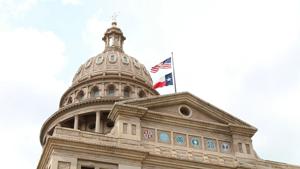
With shutdown over, fight over Obamacare reform is on
With the record-long government shutdown finally over, Republicans are ramping up conversations about how to reform Obamacare and address the rising cost of insurance premiums.
Democrats, who refused to authorize government funding for 43 days, used the shutdown to bring attention to the expiring enhanced Obamacare Premium Tax Credit.
The enhanced subsidies are set to revert to original, pre-pandemic levels on Dec. 31, which would partially contribute to enrollees’ monthly plan payments rising in 2026.
Although Senate Republicans have promised to vote on extending the subsidies – part of their funding deal that resulted in the shutdown ending Wednesday – it is highly unlikely to succeed.
“Healthcare premiums have risen by over 114% on the open market under Obamacare, even with the subsidies,” Rep. Mike Lawler, R-N.Y., said on X. “We have to address the fundamental failure of Obamacare, which is that it actually hasn’t made healthcare insurance premiums in America more affordable.”
Extending the enhanced PTC would cost at least $350 billion over the next ten years, according to the Congressional Budget Office.
The increased generosity of subsidies – particularly the enhanced PTC – along with growing ACA enrollment and rising health care treatment costs have all contributed to rising Obamacare costs over time, according to the Committee for a Responsible Federal Budget.
The CRFB compared how high of a monthly premium a family of four would pay in 2026 if the enhanced subsidies are extended, versus if they expire and the PTC returns to pre-pandemic levels.
If the enhanced credits are kept in place, a four-person family at 150% of the Federal Poverty Level enrolled in a $2,000 per month plan would pay nothing. If Congress allows the enhanced credits to expire, the family would pay $168 monthly and the subsidy would cover the remaining $1,832 .
The same sized family enrolled at 250% of the FPL enrolled in the same $2,000 plan would see their monthly payment go from $258 monthly under the enhanced subsidies to $565 under pre-pandemic subsidies.
If the family makes 350% of the FPL – meaning their annual household income is $112,525 – they would see their payment of $680 per month jump to $933 once the enhanced subsidies expire. Those at 450% of the FPL or higher would pay the full $2,000 monthly premium if the enhanced credits expire.
Republicans argue that extending the temporary enhanced subsidies will do nothing to address the root causes of rising health care premiums. They also point out that health insurers profit the most from the expansion, since the PTC is paid directly to insurance companies – who have logged massive profits even as premiums continue to rise – instead of Americans.
Though House Speaker Mike Johnson, R-La., has mentioned he is “skeptical” that Republicans can repeal and replace the Affordable Care Act, he said his party has “probably a hundred different ideas” on how to reform Obamacare.
Some ideas Republicans have mentioned include expanding eligibility for health savings accounts (HSA), allowing small businesses to pool insurance plans, and generally facilitating more competition in the insurance marketplace to help lower prices.
The Senate Finance Committee will discuss these ideas in a hearing Wednesday, as well as President Donald Trump’s idea to give health care tax credits to individuals rather than insurers.




Mostly Sunny
Latest News Stories

Colorado gubernatorial candidates debate economic issues

U.S. launches retaliatory strikes against Iran

Illinois sued over prediction market law imposing new taxes, regulations

Epstein’s billionaire associate subpoenaed after refusing to answer oversight committee
Energy institute launches website criticizing use of ‘extreme’ climate scenario

Trump threatens 100% tariff over European digital services taxes

Trump teases ‘you’ll find out’ on U.S. response to Iranian drone attack

Military responds swiftly to devastating Venezuelan earthquakes

WATCH: Eight years later, quiet opt-out rules can’t stop millions saved in union dues

Accounting analyst: SEC should examine Illinois pension funding

Illinois Quick Hits: Chicago man arrested in connection with planned attack at White House

Costar shareholders re-elect directors, resist external pressure

Trump accuses Iran of violating ceasefire after drone attack on cargo ship