Universities respond to new federal Grad PLUS loan caps
Santa Clara University School of Law will guarantee $16,000 annual scholarships starting next fall, fully covering tuition following the new federal Grad PLUS loan caps set for 2026 by the Trump administration.
Starting July 1, 2026, Grad PLUS loans will be capped at $50,000 per student per year. New borrowers pursuing professional degrees, such as law, will face a lifetime limit of $200,000, while those in other graduate programs will be restricted to $100,000.
The new PLEDGE Scholarship from the California Law School is the first public response by a law school to federal Grad PLUS loan caps.
The scholarships will “relieve next year’s students from the kind of financial pressure that might otherwise preclude them from pursuing rewarding legal careers of great prominence and purpose,” Santa Clara Law Dean Michael Kaufman said in a statement.
Critics of the caps warn they will create funding shortfalls for students enrolled in high-cost professional programs.
University of North Carolina Student Body President Adolfo Alvarez expressed alarm in a LinkedIn statement about the caps in federal loan assistance.
“It’s going to be really damaging,” Alvarez said.
Supporters argue that the limits address long-standing issues in the student loan system.
Wayne Winegarden, senior fellow in business and economics at Pasadena-based Pacific Research Institute, told The Center Square in an exclusive interview that unlimited borrowing has fueled rising tuition costs.
“There’s been a problem with the student loan program in that it enables schools to cost a lot of the subsidy that’s been going to students to be able to kind of borrow, especially borrow cheaply, which has ended up just driving up the costs of universities,” said Winegarden.
He urged students to weigh program expenses against future earnings potential.
“Financial realities don’t go away just because we wish that they weren’t there,” Winegarden added. “If you’re going to be going to a university that costs $20,000 a year, you need to come out with a degree that increases your economic value.”






Mostly Sunny
Latest News Stories

Land Use Committee Advances Mokena Scrap Yard and Homer Glen Landscape Business Over Local Objections

District 210 Reports Insurance Deficit Amid National Healthcare Cost Spikes; Finances Remain Stable

Planning Commission Backs 5-MW Peotone Solar Farm; Developer Pledges Pollinator Habitat and Community Funds

Joliet Junior College Board Approves $2 Tuition Increase Amidst Heated Debate Over Enrollment and Spending
Lincoln-Way Board Ratifies Three-Year Support Staff Contract with Significant Hourly Raises
Frankfort Seeks Public Vision for Downtown Urban Design
Green Garden Residents Seek Frankfort’s Support in Opposing 6,000-Acre Solar Farm
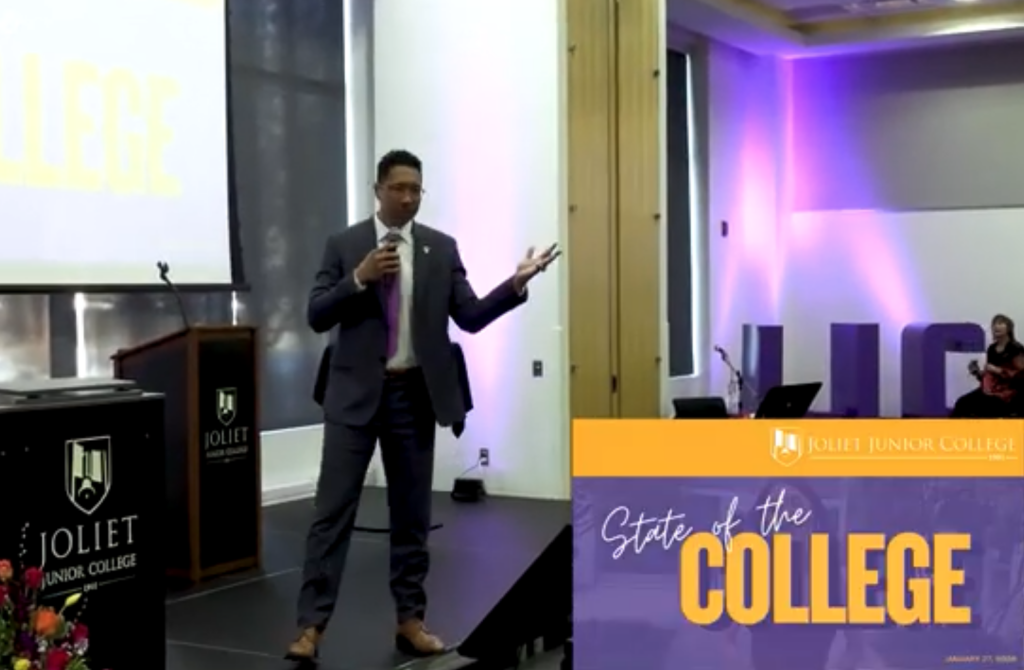
State of the College: Local Legislators Bolster Student Support Services

Meeting Summary and Briefs: Public Health & Safety Committee for February 5, 2026

State of the College: Dual Credit Program Enrollment Hits 6,000 Students
Meeting Summary and Briefs: Finance Committee for February 3, 2026

Fairmont Neighborhood Plan Update Prioritizes Infrastructure and Beautification Following Demographic Shift