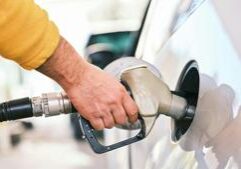
Illinois gas price drop sparks mileage tax talk, road fund healthy
(The Center Square) – As gas prices fall across Illinois, state and local governments may see a decrease in revenue from fuel and sales taxes, though experts say the effect on overall state finances is limited.
According to GasBuddy, local prices in some areas of Illinois have dropped to as low as $2.99 per gallon.
Despite these declines, Illinois Policy Institute analyst Dylan Sharkey said the impact on state revenue is minimal.
“Road fund revenue in Illinois is not an issue. The state regularly brings in more than it spends in terms of the road fund,” said Sharkey. “Illinoisans see it every year, on July 1st, they noticed their gas taxes go up automatically.”
Sharkey noted that Illinois doubled its gas tax in 2019, and state lawmakers maintain substantial reserves, currently around $3 billion, while continuing to discuss additional revenue measures.
“In state taxes alone, Illinoisans pay about $0.48 a gallon in taxes. We’re the second highest in the nation, behind only California, so motorists are paying plenty when it comes to transportation costs in Illinois,” said Sharkey.
Sharkey explained that falling gas prices could give lawmakers a reason to revisit a mileage tax, a proposal that has been discussed in Illinois for the past several years.
“A lot of the concerns from lawmakers focus on the rise of electric vehicles and the claim that they aren’t paying their fair share for road maintenance, which isn’t true,” said Sharkey. “Electric vehicles pay higher registration fees each year, including an annual EV fee, so the idea that they aren’t contributing to the road fund is simply incorrect.”
Sharkey suggested that attracting more drivers to Illinois could naturally increase revenue, but the state faces net outmigration, which reduces the number of drivers on the roads.
“That would create more revenue because you’d have more drivers and more people buying cars here,” said Sharkey. “If you make Illinois a more attractive state to move to, that would solve the issue on its own. But Illinois has the opposite problem. Because of net outmigration, we have fewer drivers on the same roads. So, of course, they’re going to say there’s an issue because you’re losing drivers to other states.”
The Chicago Transit Authority is facing a fiscal crisis, with a significant budget shortfall projected for 2026 as federal COVID-19 relief funds expire. Some studies suggest that lower gas prices can lead to decreased public transit ridership.
“The road fund can be used for any transportation expenses, so trains and buses are included in that $3 billion they could spend, Sharkey noted. “They should use the money they already have before asking for more.”






Sunny
Latest News Stories

US House passes Save Our Shrimpers Act

CBO says Pentagon’s Golden Dome estimate off by $1 trillion

Frankfort Establishes New Mural Regulations for Downtown Historic District

VA budget tops $488B as workforce stays above DOGE target
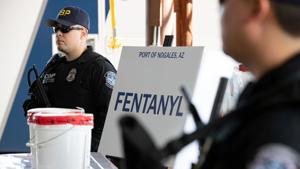
DEA warns fentanyl mixtures overwhelming overdose reversal drug

Cook County must pay for taking homes over unpaid property tax: Judge

Chicago aldermen consider $54.7M tax break for United Center project

Farmers call for fertilizer price transparency, domestic growth

Major nationwide Tren de Aragua crackdown, more than 80 firearms seized

Illinois Quick Hits: State taxpayers to cover student loan debt for civil engineers

WATCH: Ex-rep sues Pritzker, Illinois over race-based congressional map

Lawmakers tussle over impacts of ‘equitable’ school funding in Illinois

Illinois Quick Hits: $42.6M UIS student library on schedule