Everyday Economics: Jobs, Waller and whether the Fed can thread the needle
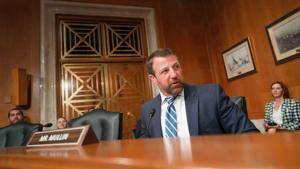
Last week, new Federal Reserve Governor Stephen Miran defended his lone dissent in favor of faster, deeper interest rate cuts. His argument: “Nonmonetary forces” (tariffs, border and tax policy, trade renegotiation) have likely pushed the neutral rate lower, implying economic growth will be slower over the long run and current Fed policy is very restrictive.
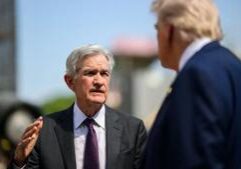
Chair Jerome Powell avoided weighing in on White House policy, but flagged a tricky balance: upside risks to inflation and downside risks to employment at the same time – leaving little room for error and reinforcing a cautious path to easing. Markets read his stance as hawkish vs. traders’ quicker-cut hopes.
This week, keep an ear out for Governor Christopher Waller. He has become one of the most closely watched Fed voices on the economic outlook. He’s on the docket to speak in the days ahead, and markets increasingly take cues from him.
The main event: September jobs
August payrolls rose just 22,000, and the jobless rate climbed to 4.3% – classic “stall speed.” Slower hiring broadened beyond interest-rate-sensitive sectors, with only pockets of strength (notably health care). The question for Friday: Was this summer a blip, or the new baseline?
Two cross-currents to frame expectations:
Hiring might be frozen but layoffs also remain low and the workforce is shrinking. Initial jobless claims spiked in early September but have since fallen back toward 218,000, and continuing claims edged lower. That suggests layoffs have ticked down and fewer people are actively looking for work. As a result, the unemployment rate could remain somewhat stable.Pay after inflation slipped. Real average hourly earnings fell 0.1% month oveer month in August (up modestly year over year), a sign household purchasing power is wobbling as prices re-accelerate. Weak real wage momentum tends to cap consumer demand without stoking a wage–price spiral.
What to watch in the report
Headline payrolls: Anything near zero would validate stall-speed.Jobless rate and participation: Unemployment has risen three months running; labor force participation is down vs. a year ago, which can mask underlying weakness.Diffusion across sectors: Are losses widening across all sectors? Breadth matters for recession risk.
Also on deck
ISM Manufacturing & Services PMIs: Timely reads on orders, hiring, and prices. Watch whether input-cost pressure from tariffs is bleeding into services prices.Auto sales (SAAR) and construction spending will round out the goods and building picture.
What it means for the Federal Reserve
If September jobs confirm weak payroll growth, slightly higher unemployment, and tame real wage momentum, the bar for a near-term cut remains low. But Powell’s two-sided risk framing still applies: a hot wage or price surprise would slow the pace of easing. In other words, the path to lower rates likely looks gradual, not a cliff dive.






Mostly Sunny
Latest News Stories

Costar shareholders re-elect directors, resist external pressure

Trump accuses Iran of violating ceasefire after drone attack on cargo ship

Legislature takes more measures against firms opposing redomiciling in Texas

Mistrial declared in federal Palisades Fire arson case

Attorney: Supreme Court leaves path for property owners
Ex-cops blast Chicago mayor’s new agency

Illinois Quick Hits: Chicago reports increased visitor spending

Federalist Society panel takes on third-party lawsuit financing

Poll: Voters give Trump worse marks on economy than job overall
Two Democrats seek GOP congressman’s seat in Colorado

WATCH: Report says more U.S. families are saving for college
Illinois to see 4 new consumer protection laws enacted

EXCLUSIVE: Report warns about costly regulations’ impact on short-term rentals
One in five calls answered on IRS identity theft line, watchdog says