Trump directs war secretary to send troops to Portland to protect ICE
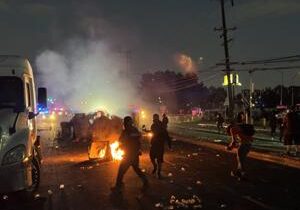
Troops will be sent in to protect immigration and customs enforcement facilities “under siege” in Portland, President Donald Trump said Saturday morning.
The president cited attacks “by Antifa” and other “domestic terrorists” in a social media post.
On Monday, the second-term Republican issued an executive order designating Antifa a domestic terror organization.
Trump said the request came from Homeland Security Secretary Kristi Noem. On Wednesday, an ICE facility in Dallas was attacked by a gunman, who shot three detainees, killing one.
The president has directed War Secretary Pete Hegseth to “provide all necessary troops to protect war ravaged Portland, and any of our ICE facilities under siege from attack by Antifa.”
The move is similar to when the president directed Hegseth to send troops to Los Angeles following a violent uprising targeting ICE facilities and agents.
Unlike the Los Angeles riots, the president made no indication that he would be deploying the National Guard to Portland.
(This is a developing story. Check back for updates.)


Mostly Sunny
Latest News Stories

Election 2026: Prisoners in historic release by Cooper consistent in pattern
Secretary of State says insurance reforms are not political
Details show speaker delayed lawmaker misconduct action

Man suspected of using ‘incendiary device’ arrested outside NYC immigration court

Gubernatorial candidate calls for leadership overhaul, prison reforms
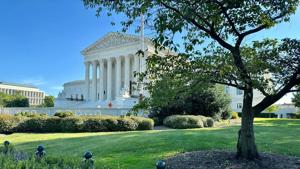
U.S. Supreme Court to hear Alaska plane confiscation case
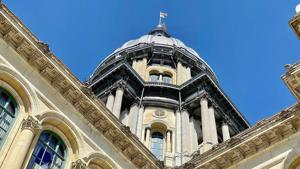
Illinois news in brief: Chicago police review Illinois Accountability Commission report; Granite City man sentenced for transporting minor in sex assault case; Report finds Illinois’ AI careers rank 34th in nation

Service member killed in action; remains found in search for one missing
Second family welcomes baby boy

Everyday Economics: Falling gas prices helped keep consumers spending
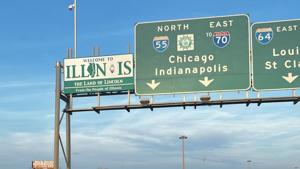
Illinois may bring early warning of toll costs ahead of proposed rate hike
Illinois senator says True Value move highlights business climate concerns