Trump’s tariffs on imported drugs could raise prices
Analysts are warning that U.S. consumers could face higher prices after President Donald Trump promised it will hit imported drugs with a 100% tariff next week, but exemptions and generic drugs could reduce frustration at the pharmacy counter.
Trump wants to use tariffs to push drug makers to boost U.S. production and strengthen U.S. supply chains. Trump also said tariffs could help lower drug costs.
The president said a 100% tariff on imported patented drugs will start Oct. 1, with exceptions for companies building manufacturing plants in the U.S.
“There will, therefore, be no Tariff on these Pharmaceutical Products if construction has started,” Trump wrote late Thursday.
Trump didn’t mention generic drugs, which account for about 90% of prescriptions, according to the U.S. Food and Drug Administration. The 62-word announcement contained few details, as have the president’s other tariff announcements.
John Crowley, president and CEO of the Biotechnology Innovation Organization, said the advocacy organization supports Trump’s vision for bringing more drug manufacturing to the U.S., but said the immediate tariffs could hurt smaller companies. Many large drug makers already have U.S. operations or working to build them.
“The immediacy of punitive, 100% tariffs on innovative medicines for any company without ‘shovels in the ground’ would devastate our nation’s small and mid-sized biotechnology companies,” he said in a statement. “These 3,000+ companies are the heart and soul of America’s vitally important biotechnology industry.”
Crowley said smaller companies don’t have access to cash for immediate U.S. building capacity, but could do so over time.
“Due to the complexity and capital-intensive nature of biomanufacturing, the vast majority of these small-to mid-size biotech innovators rely on contract manufacturers to produce their medicines,” he said. “These companies especially need time and stability in both the policy environment and capital markets to explore domestic manufacture of their often life-saving medicines, many of which are for rare and fatal diseases, often in children.”
Crowley also warned that the immediate tariffs could help China.
“Immediate tariffs in the biotechnology industry threaten America’s health, national security, economic stability, and place as the world’s leader in biotechnology,” he said. “They would also devastate our industry and accelerate China’s path to biotech dominance – which we cannot see happen.”
Alex Schriver, senior vice president of Pharmaceutical Research and Manufacturers of America, said money spent on tariffs cannot be spent on cures.
“Most innovative medicines prescribed in America are already made in America. PhRMA companies continue to announce hundreds of billions in new U.S. investments thanks to President Trump’s pro-growth tax and regulatory policies,” he said in a statement. “Tariffs risk those plans because every dollar spent on tariffs is a dollar that cannot be invested in American manufacturing or the development of future treatments and cures.”
Schriver said it could raise costs for consumers.
“Medicines have historically been exempt from tariffs because they raise costs and could lead to shortages,” he said.
Sunny then Slight Chance Showers And Thunderstorms
Latest News Stories
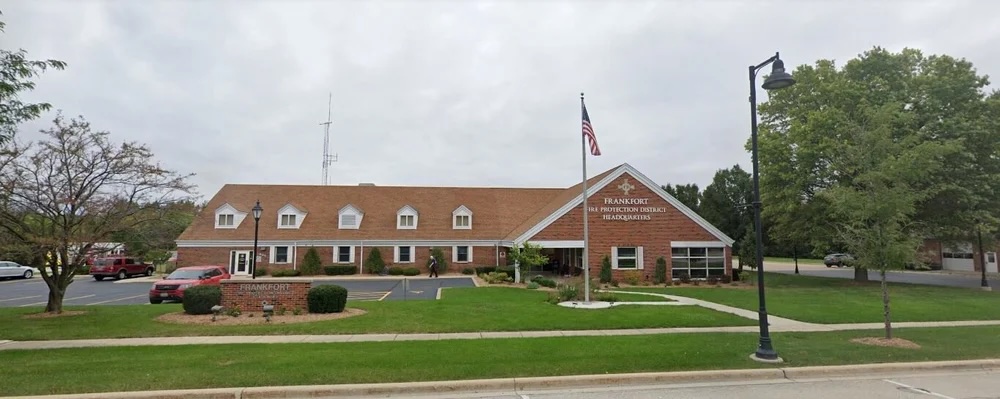
Frankfort Fire Trustees Hold Extended Closed Session on Chief Search
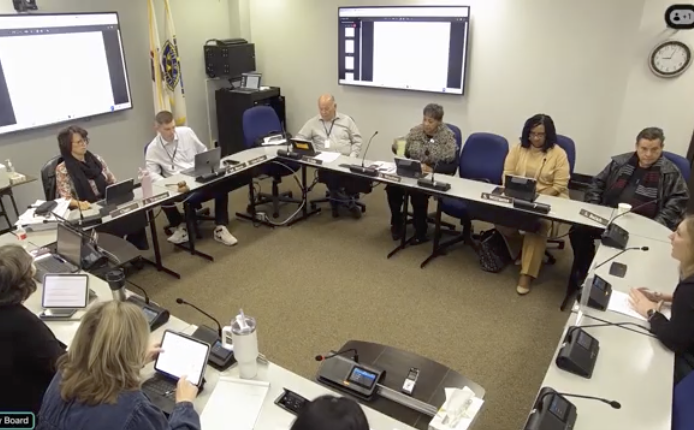
County Sales Tax Revenues Strong, Cannabis Funds Dispersed to Community Programs

Illinois sports wagers decline after implementation of new tax
Will County Committee Grants Extensions for Crete, Washington Township Solar Projects
Congress used government funding bill to ‘erase’ $3.4 trillion in deficits
Illinois patient relies on ACA tax credits, experts warn they drive higher premiums

Trump rolls back tariffs on over 200 foods in sharp reversal
Trump says $2,000 tariff rebate checks won’t come before Christmas
Chicago mayor threatens layoffs, property tax hikes if council rejects head tax
Goldwater Institute sues Arizona attorney general for records

Illinois quick hits: Four officers injured during ICE protest
California asks court to end federalization of National Guard