WATCH: Illinois lawmakers clash over election consolidation and compulsory voting
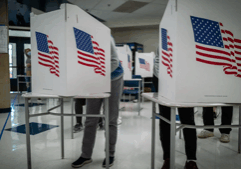
(The Center Square) – Illinois lawmakers are weighing boosting voter turnout by consolidating elections and considering compulsory voting.
During a subject matter hearing of the House Ethics and Elections Committee, Miles Rapoport of the University of Chicago testified that countries such as Australia have seen turnout jump from 60% to more than 90% after implementing compulsory voting in 1924.
“They have a very light-touch enforcement system in Australia, and some countries don’t enforce compulsory voting at all, yet it still raises turnout,” said Rapoport. “The biggest benefit is that it dramatically increases participation and makes the electorate look more like the overall population, rather than skewing toward older, wealthier, whiter and more educated voters.”
State Rep. Patrick Windhorst, R-Metropolis, warned that mandatory voting could erode core freedoms.
“Part of our electoral process and part of being a free people is the right not to engage,” Windhorst told the committee. “We have the freedom of speech. We also have the freedom not to speak. We can encourage voting without making it compulsory.”
Windhorst cautioned that even voluntary efforts to pressure abstaining voters could pave the way toward shaming or penalizing them.
Windhorst pressed Rapoport on how Australia enforces compulsory voting. Rapoport explained that officials first send several letters asking nonvoters to explain their absence; if they fail to respond, a fine may be imposed. One proponent added that in some countries, simply publishing the names of those who don’t vote is enough to force participation.
State Rep. Maurice West, D-Rockford, is sponsoring House Bill 2718, which would require all eligible citizens to cast a ballot in every general election. The bill allows voters to satisfy the requirement by submitting a blank ballot and specifies that no fines, fees or penalties would be imposed on those who do not vote.
The committee also turned its attention to election consolidation, shifting Illinois’ frequent local contests to align with higher-turnout state and federal elections.
Policy analysts noted that 31 states have considered bills to consolidate elections this year, with 12 enacting measures. In states such as Arkansas and West Virginia, school board and municipal elections have already been moved onto statewide ballots.
Supporters say research shows aligning elections with even-year contests can nearly double turnout in down-ballot races while also saving local governments money.
Katie King of the National Conference of State Legislatures explained fewer, larger elections could reduce costs and ease voter fatigue.
“Holding fewer elections can also reduce costs and administrative burdens for election officials, especially in jurisdictions where municipalities fund their own contests,” said King. “Off-cycle elections may allow voters to focus on local issues, while consolidating state, federal and local elections can shift attention toward larger state or federal contests rather than individual local races on the ballot.”
But election administrators urged caution. Adam Lasker, general counsel for the Chicago Board of Elections, warned that adding citywide contests to presidential or gubernatorial ballots could overwhelm voters.
“Adding city elections would push us to five or six pages, lengthen lines at polling places, and cut in half the ability for citizens to place referenda on the ballot,” said Lasker.





Partly Sunny
Latest News Stories

Illinois Quick Hits: Pritzker issues order to ban state workers from insider trading

Oldest preserve expansion pushes acreage past 24,000 milestone
Virginia voters approve redistricting amendment, potentially flipping 4 seats

WATCH: Millionaire tax critic says AGO, Dems played politics instead of protecting residents
IL Supreme Court can’t just oust judges over speech: New filing
Illinois Republicans say Dems’ redistricting amendment would create more corrupt maps
Vote postponed on Southwest congressmen’s wildfire bill

Trump’s $1.5 trillion military budget: What taxpayers are getting
DOJ indicts Southern Poverty Law Center on wire, bank fraud charges
Ceasefire extended, fractured Iranian government cited

Lawmakers call for AI in financial literacy, systems
FTC probe into APA urged over contradictory stances on gender-affirming care for minors