Major U.S. retailer reverses course on tariffs, says prices will go up
A major U.S. retailer that previously said tariffs wouldn’t increase prices reversed course on Tuesday, with officials saying they expect “modest” price increases for some products.
The home-improvement retailer with more than 2,300 stores across North America said prices will increase in some categories due to significantly higher tariffs than it expected in May.
“Obviously tariff rates are significantly higher today than they were when we spoke in May. So as you’d expect there’ll be some modest price movement in some categories but it won’t be broad based,” said Billy Bastek, executive vice president of merchandising at Home Depot.
He added that the store is working to keep project pricing down as homeowners have deferred larger projects, but continue to do small ones.
“Our customers tend to shop for the entire project and you think about a small flooring project: Tile, the grout, bathtub and vanity and a bath project. And so we’re laser focused on protecting the cost of the entire project. And so listen, our goal is to maintain the best value for our customers.”
Bastek said about half of Home Depot products are made in the U.S. and not subject to tariffs.
Home Depot boss Ted Decker said lower federal interest rates would likely help.
“The consumers, both pro and consumer, engaged broadly across the business, granted in smaller projects. We still haven’t seen the recovery in much larger discretionary projects,” Decker said during the company’s second-quarter earnings call on Tuesday.
Last month, the Federal Reserve’s latest anecdotal “beige book” survey found that businesses across the country reported passing the cost of tariffs on to U.S. consumers, something President Donald Trump warned them not to do.
“Many firms passed on at least a portion of cost increases to consumers through price hikes or surcharges, although some held off raising prices because of customers’ growing price sensitivity, resulting in compressed profit margins,” according to the Fed report.
Those higher prices could become more visible later this year, according to the Fed report.
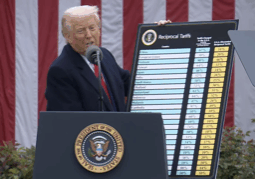
Trump has told businesses that he doesn’t want them to raise prices. He wants businesses to absorb the loss without passing on the higher prices to consumers.
Shortly after Walmart said it would have to raise prices throughout its stores in May, Trump told the world’s largest retailer to “eat it.”
Economists, businesses and some publicly traded companies have warned that tariffs could raise prices on a wide range of consumer products.
Trump has said he wants to use tariffs to restore manufacturing jobs lost to lower-wage countries in decades past, shift the tax burden away from U.S. families, and pay down the national debt.
A tariff is a tax on imported goods paid by the person or company that imports the goods. The importer can absorb the cost of the tariffs or try to pass the cost on to consumers through higher prices.


Partly Cloudy
Latest News Stories
Texas oil & gas leaders welcome Trump reversal of Biden policies
Republican candidates for governor, U.S. Senate discuss energy, SCOTUS
Whitmer criticizes tariffs; Republicans cite study showing economic gains

Rocket, Compass partnership aims to boost housing supply
Walz unveils anti-fraud plan; GOP urges independent watchdog
Bill Clinton says he had ‘no idea’ about Epstein’s crimes

U.S. departures from Middle East indicate Iran strikes may be imminent
Appeals court allows Trump to kick unions out of federal agencies

Illinois Quick Hits: Indiana governor signs Bears stadium bill

Mamdani pitches Trump on housing, secures release of Columbia student
Meeting Summary and Briefs: Will County Planning and Zoning Commission for February 17, 2026
Ad-Hoc Committee: Liquor Ordinance Stalls Over Drafting Errors; Debates License Cap Policy